Gulf states scramble for an alternative to Strait of Hormuz
Saudi Arabia has redirected oil exports away from the Strait of Hormuz, but most Gulf producers still lack a reliable backup option to the world's
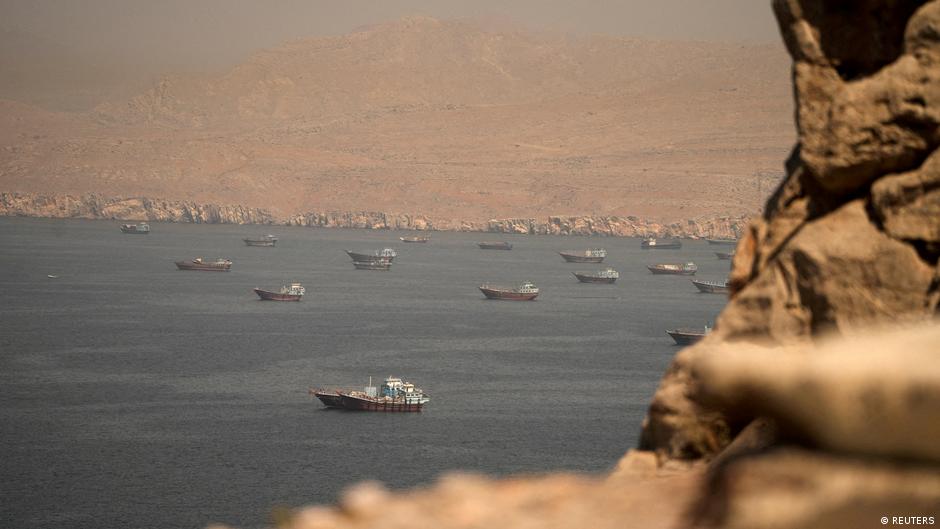
Saudi Arabia has redirected oil exports away from the Strait of Hormuz, but most Gulf producers still lack a reliable backup option to the world's most important energy choke point. Months of blockades and uncertainty around the Strait of Hormuz have pushed energy exporters to look for ways to bypass the key shipping lane. Iranian officials had insisted the waterway would remain closed and negotiations would not resume unless the United States complied with a June framework agreement and offered compensation to Tehran for alleged violations. US President Donald Trump, however, said on Monday that the US Navy already controls the Strait of Hormuz. "We've mine swept the entire strait," he told reporters at the White House. The narrow waterway between Iran and Oman is one of the world's most critical oil shipping routes. Before the Iran war, it carried around 20% of global crude exports from the Persian Gulf to markets in Europe, Asia and North America. Facing the prolonged disruption, however, Saudi Arabia has demonstrated that it can redirect substantial volumes away from the Strait of Hormuz. The United Arab Emirates (UAE) has had less success, despite possessing ports and pipelines specifically designed for that purpose. Saudi Arabia shows what is possible The US-Iran war has placed greater importance on alternative shipping lanes through the Red Sea. Saudi Arabia is sending its crude through the East-West Pipeline from the kingdom's eastern oil fields to the Saudi Red Sea port of Yanbu, enabling it to keep up shipments to global markets by circumventing Hormuz entirely. During April and May, Saudi cargo shipments from its Gulf coast fell from 47.5 million tons a year earlier to just 6.3 million tons, according to data from the International Monetary Fund's Portwatch platform. Over the same period, exports through the Red Sea rose from 29.6 million to 54.8 million tons.
That additional 25.3 million tons replaced roughly 61% of the volume lost on the Persian Gulf side. The shift shows that the East-West Pipeline is not merely an emergency backup, but also an important tool to keep Saudi oil flowing during a Hormuz closure. The Iran-backed Houthi rebels in Yemen recently declared a maritime blockade on Saudi Arabia, but its impact was not immediately clear. While Saudi Arabia is working to remove bottlenecks in its East-West system, its eastern neighbor UAE is looking at adding parallel capacity alongside its Abu Dhabi Crude Oil Pipeline (ADCOP). UAE exposes the limits On paper, the UAE is well prepared. ADCOP carries crude from Habshan in Abu Dhabi to Fujairah on the Gulf of Oman, outside Hormuz. Fujairah and nearby Khor Fakkan also provide major deepwater facilities on the eastern coast. However, while these ports may sit outside the Strait of Hormuz, they remain close enough to Iran to be vulnerable to drones and missiles. During the fighting, the Emirati port of Fujairah came under attack and vessels operating near the UAE's eastern coast were also struck. Why Saudi Arabia is redrawing its global alliances To view this video please enable JavaScript, and consider upgrading to a web browser that supports HTML5 video UAE Persian Gulf coast traffic during April and May fell to 12 million tons from 68.5 million tons in the same period of 2025, according to IMF PortWatch vessel-tracking data. Traffic through alternative UAE ports also declined, from 13.7 million tons to 6.3 million. In other words, rather than picking up cargo diverted from the Persian Gulf, the alternative ports also saw a decline in shipments. One problem is physical capacity. Fujairah cannot quickly replace the enormous throughput of major Persian Gulf facilities such as Jebel Ali. But war risk is at least as important. A bypass route is of limited use if shipowners and insurers consider its destination almost as dangerous as Hormuz itself.
 The BriefWire