Consensus To Congress Participation: 5 Reasons Why Modi Govt Decided To Send FCRA Bill To JPC
News india Consensus To Congress Participation: 5 Reasons Why Modi Govt Decided To Send FCRA Bill To JPC Consensus To Congress Participation: 5 Reasons Why
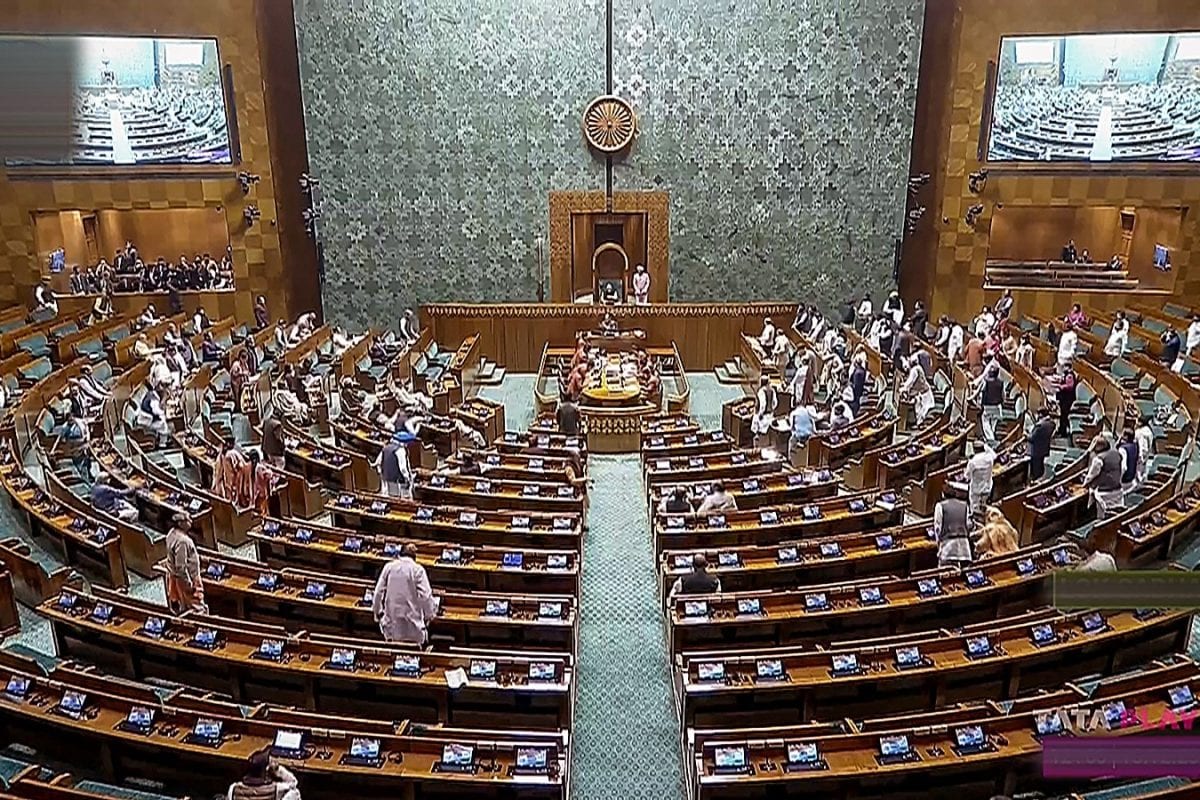
News india Consensus To Congress Participation: 5 Reasons Why Modi Govt Decided To Send FCRA Bill To JPC Consensus To Congress Participation: 5 Reasons Why Modi Govt Decided To Send FCRA Bill To JPC Reported By, Edited By Last Updated: August 12, 2026, 17:57 IST Dispelling misinformation to clarifying intent, sources tell News18 five reasons why Central govt decided to refer controversial FCRA Bill to a Joint Parliamentary Committee (JPC) Rapid Read The objective is to ensure that FCRA Bill is passed with wider political consensus, say sources. (PTI File) The Lok Sabha on Wednesday referred the controversial Foreign Contribution (Regulation) Amendment (FCRA) Bill, 2026 bill to a joint parliamentary committee (JPC), before adjourning for the day on the penultimate day of the Monsoon Session. The FCRA Bill, 2026 was introduced in the Lok Sabha on March 25, 2026, to modify the Foreign Contribution (Regulation) Act, 2010.
Sources tell News18 five reasons why the government decided to send the bill to a JPC. WHAT IS THE FCRA BILL ROW? The Foreign Contribution (Regulation) Amendment Bill, 2026, is a legislative proposal introduced in India’s Parliament to modify the existing laws governing foreign donations received by non-governmental organizations (NGOs) and associations. The bill empowers a government-appointed “Designated Authority" to take control of, manage, and dispose of the assets and foreign funds of any organization whose FCRA registration is cancelled, surrendered, or not renewed. While the bill reduces the maximum jail term for specific violations from five years to one year and mandates prior central government approval before initiating investigations, it has faced strong opposition and has been referred to a Joint Parliamentary Committee. Critics argue that the bill lacks due process and judicial oversight, raising concerns that it could lead to the arbitrary seizure of assets belonging to charitable, educational, and minority-run institutions.
SOURCES REVEAL 5 REASONS WHY IT WAS SENT TO A JPC The Government wants consensus: The objective is to ensure that such an important legislation is passed with wider political consensus. Positive response from stakeholders: The Government has been encouraged by the willingness of various stakeholders to come forward and offer suggestions, including during informal consultations. Sending the Bill to a JPC will give these inputs a formal parliamentary platform. To dispel misinformation: There is an attempt by certain quarters to create misunderstandings and a misleading narrative around the Bill. Detailed parliamentary deliberation is expected to address these concerns and put the facts on record. Congress joining the JPC process: The Government was encouraged by the fact that Congress was among the Opposition parties that agreed to participate in the JPC, paving the way for a broader and more constructive discussion.
 The BriefWire