Justice Varma Had Already Resigned, Then Why Does ‘Guilty’ Verdict In Cash-At-Home Case Still Matter?
News explainers Justice Varma Had Already Resigned, Then Why Does ‘Guilty’ Verdict In Cash-At-Home Case Still Matter? Justice Varma Had Already Resigned, Then Why Does
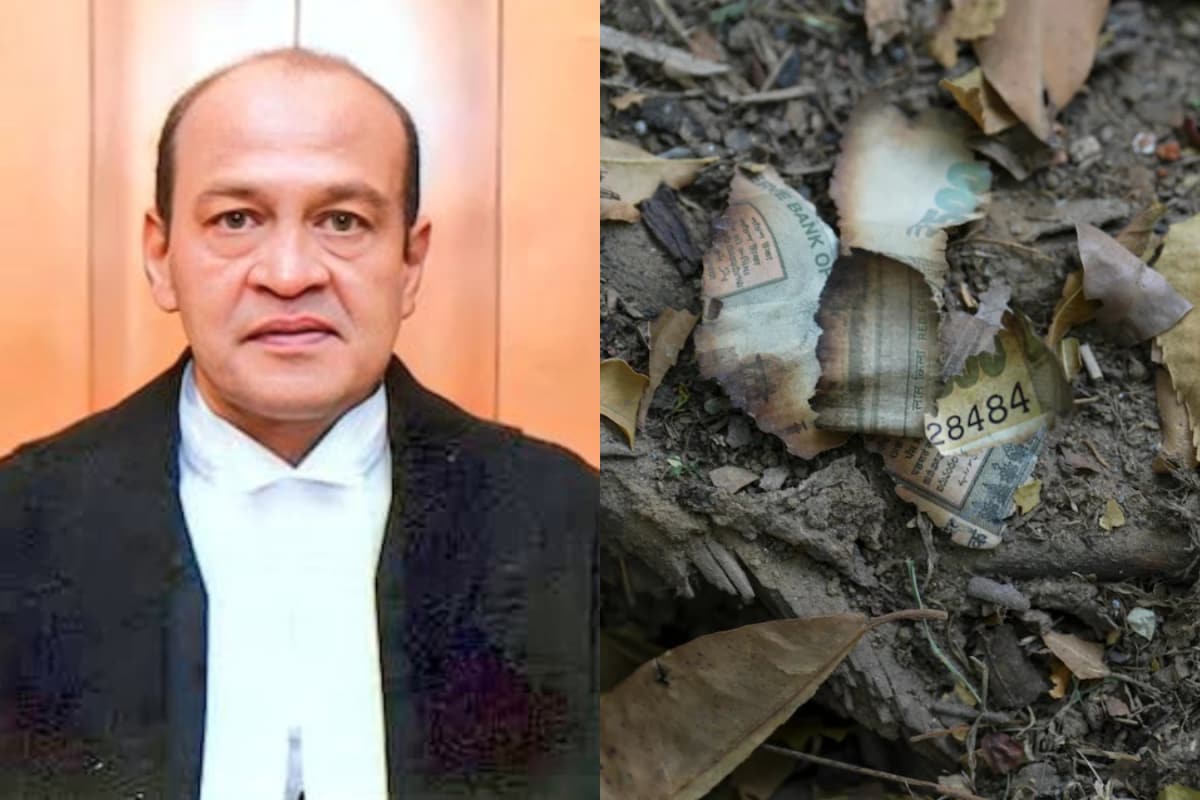
News explainers Justice Varma Had Already Resigned, Then Why Does ‘Guilty’ Verdict In Cash-At-Home Case Still Matter? Justice Varma Had Already Resigned, Then Why Does ‘Guilty’ Verdict In Cash-At-Home Case Still Matter? Written By, Last Updated: August 12, 2026, 17:27 IST Justice Yashwant Varma can no longer be impeached, but the verdict still matters and means 3 things for him. News18 explains Rapid Read Justice Yashwant Varma had resigned as Allahabad HC judge amid impeachment process over cash row A three-member Lok Sabha inquiry panel on Wednesday officially indicted former High Court judge Yashwant Varma, ruling that all corruption charges against him in the “cash-at-home" scandal stand proved. The report, prepared under the Judges (Inquiry) Act, 1968, was formally tabled in both Houses of Parliament. Justice Varma had already resigned in April, then why does this verdict matter? What does it mean for him? What happened in 2025? The controversy erupted on March 14, 2025, when firefighters responding to a blaze at his residence discovered stacks of partially burnt currency notes. Formed by Lok Sabha Speaker Om Birla on August 12, 2025, the committee was headed by Supreme Court Justice Aravind Kumar, alongside Supreme Court Judge (then Chief Justice) Shree Chandrashekhar and Senior Advocate BV Acharya. Justice Varma resigned from his post on April 10, 2026. While the panel has recommended further legal action, experts note that his resignation may render the parliamentary impeachment process technically infructuous.
What the committee found The panel concluded that “substantial unexplained ₹500 denomination currency notes" were kept in the storeroom of his official New Delhi residence. The committee labeled Justice Varma’s shifting explanations as “evasive, incomplete, and misleading," noting he failed to furnish a satisfactory explanation regarding the source or ownership of the cash. The report highlighted that the evidentiary condition of the storeroom was deliberately disturbed before lawful sealing, resulting in the later non-availability of the currency notes. Justice Varma withdrew from the proceedings before presenting his defence, did not enter the witness box, and failed to produce any supporting witnesses. A parliamentary panel inquiry after resignation means… When a parliamentary inquiry panel finds a resigned judge guilty, the formal impeachment process in Parliament becomes legally “infructuous" (rendered pointless), but the verdict serves as a definitive official indictment, establishing institutional accountability, public transparency, and setting a precedent regarding judicial misconduct. Because Justice Yashwant Varma already resigned from his constitutional office, Parliament cannot formally vote to “remove" or impeach someone who no longer holds that office. The investigative panel still submits and tables its formal findings in both Houses of Parliament to complete the institutional record of the investigation. Why the Verdict Still Matters It formally registers that the charges of failing to explain unaccounted and burnt cash found at his official residence were proven.
 The BriefWire