Yosemite’s disappearing wetlands get massive restoration after 100 years
Yosemite Park A meadow in crisis Filling the gully, restoring the flow Yosemite Park Bringing the meadow back to life Benefits for wildlife, water and
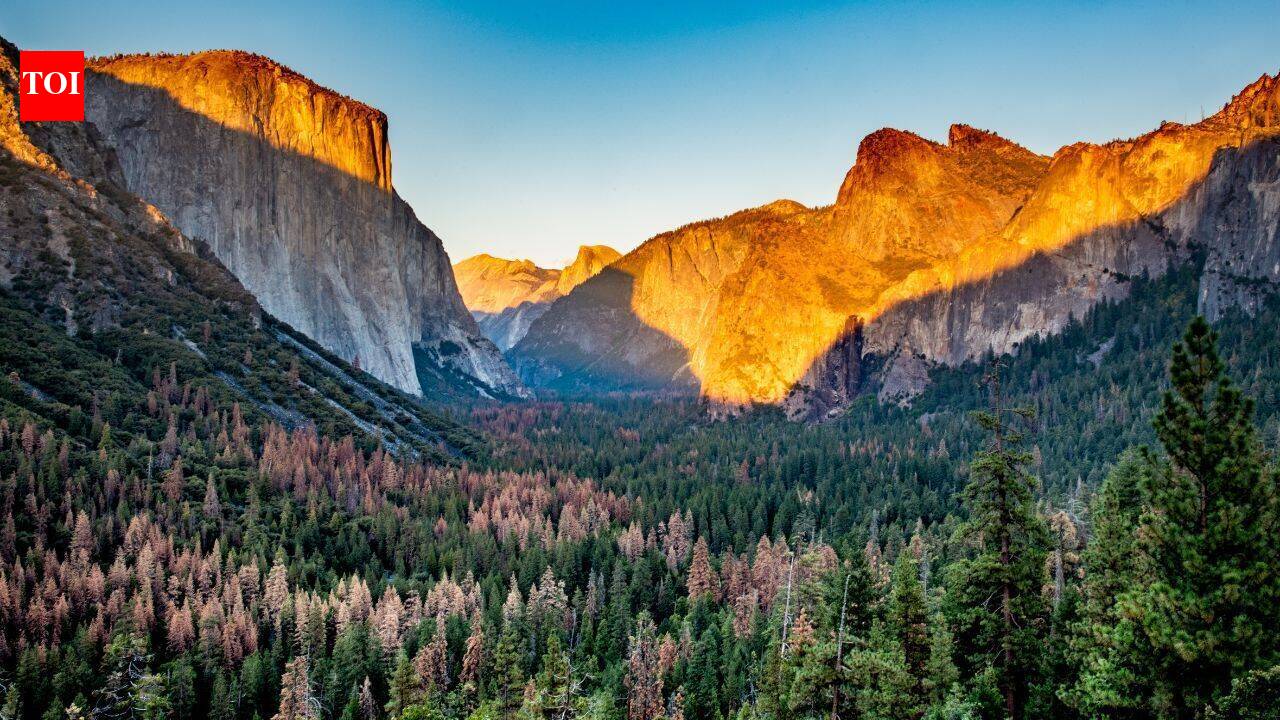
Yosemite Park A meadow in crisis Filling the gully, restoring the flow Yosemite Park Bringing the meadow back to life Benefits for wildlife, water and climate A collaborative effort A model for the future In the heart of Yosemite Park, where granite cliffs rise above ancient forests and waterfalls cascade into deep valleys, lies a quieter kind of wonder: Ackerson Meadow. One of the largest mid-elevation meadows in the Sierra Nevada, and the largest in Yosemite, it is a place of stillness, wildlife and ecological importance. But for more than a century, this landscape was slowly being drained, eroded and diminished by human activity.In 2023, a landmark restoration project began. By June 2025, it had become the largest wetland restoration effort in Yosemite’s history; and the largest, by fill volume, ever undertaken in the Sierra Nevada. The results were transformative: 94 acres of lost wetlands restored, 84 additional acres protected and a 230-acre headwater meadow system returned to self-sustaining hydrologic function, according to a report on NPS.gov.Ackerson Meadow is an ecologically critical wildlife corridor and habitat for several at-risk species, including the state-endangered great grey owl and little willow flycatcher.Yet for decades, a massive erosion gully network, up to two miles long, 14 feet deep and 100 feet wide, had been draining the meadow’s wetlands.The gully was the result of over a century of landscape manipulation, including domestic water diversion, farming, ranching and timber harvest. It had already drained 90 acres of wetlands and was actively eroding an additional 100 acres.
Without intervention, the meadow’s ecological functions, including water storage, flood protection, wildlife habitat and carbon sequestration, would continue to decline.In 2016, Ackerson Meadow was purchased from private ownership and donated to Yosemite by a coalition including the Trust for Public Lands, Park Trust, Yosemite Conservancy and American Rivers. The stage was set for restoration, as per the report.Between August 2023 and June 2025, a partnership of Yosemite Park, Stanislaus Forest, American Rivers and Yosemite Conservancy implemented a bold plan: fill the erosion gully to the elevation of the surrounding meadow.The team filled 18,538 linear feet, 3.51 miles, of gully with 162,000 cubic yards of locally sourced material. This included 132,900 cubic yards of mineral soil combined with 29,100 cubic yards of woodchips. The “full fill” approach was chosen because it offered rapid, comprehensive restoration of the wetland area lost to human impacts, protected remaining intact wetlands and was expected to become a self-sustaining ecosystem within three to five years, requiring minimal long-term maintenance.The work was carried out in two phases. Phase 1, from August to November 2023, focused on filling the gully in the lower half of main Ackerson Meadow and the full extent of the gully in south Ackerson Meadow. Phase 2, from August to November 2024, completed the fill in the main meadow. Revegetation followed each phase in the spring of 2024 and 2025.Restoring the land was only part of the work. The team also replanted the meadow with native species to ensure the ecosystem could thrive.
 The BriefWire