Pakistan’s Mohsin Naqvi In Tehran: Hormuz Reopening, US-Iran Talks On The Table | Exclusive
News world Pakistan’s Mohsin Naqvi In Tehran: Hormuz Reopening, US-Iran Talks On The Table | Exclusive Pakistan’s Mohsin Naqvi In Tehran: Hormuz Reopening, US-Iran Talks
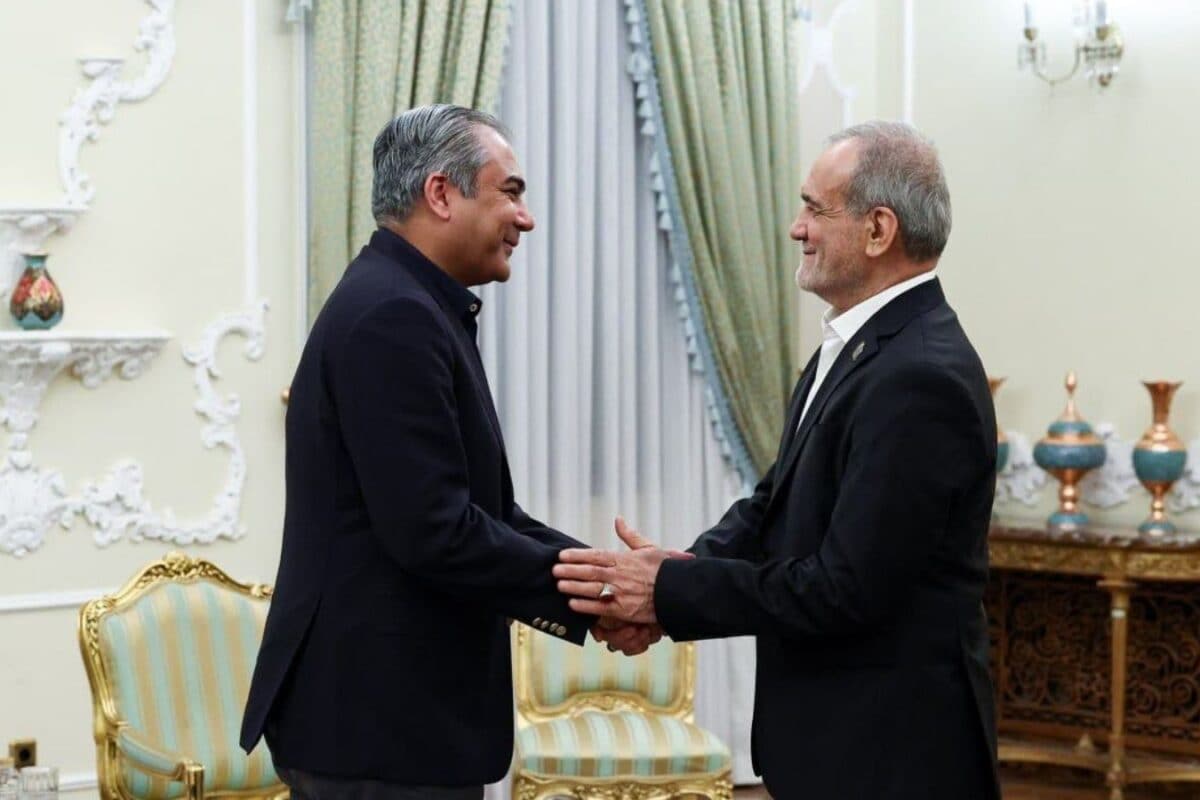
News world Pakistan’s Mohsin Naqvi In Tehran: Hormuz Reopening, US-Iran Talks On The Table | Exclusive Pakistan’s Mohsin Naqvi In Tehran: Hormuz Reopening, US-Iran Talks On The Table | Exclusive Reported By, Edited By Last Updated: August 12, 2026, 15:40 IST The interior minister also assured Iranian officials that Pakistan would not act against Iran under any circumstances Rapid Read Pakistan's interior minister Mohsin Naqvi (left) with Iranian president Masoud Pezeshkian. (News18) Pakistan has stepped up its diplomatic efforts to mediate between Iran and the United States, with interior minister Mohsin Naqvi holding high-level meetings in Tehran amid renewed efforts to resolve the standoff over the Strait of Hormuz. Naqvi met Iranian president Masoud Pezeshkian and foreign minister Abbas Araghchi during his visit, as Islamabad sought to advance discussions on regional stability, the reopening of the strategic waterway and the implementation of the Islamabad Memorandum of Understanding (MoU) between Washington and Tehran. Pakistani officials have previously said Islamabad remains committed to facilitating dialogue between the two sides. According to a top diplomatic source, Naqvi carried messages from the United States and Pakistan’s Field Marshal Asim Munir concerning the reopening of the Strait of Hormuz. He also sought to advance talks linked to the Islamabad MoU. What Did Naqvi Discuss With Pezeshkian? Naqvi’s meeting with Pezeshkian comes as Pakistan attempts to keep diplomatic channels open between Tehran and Washington. The Pakistani minister is understood to have discussed regional stability and the prospects of further dialogue.
His visit follows earlier Pakistani mediation efforts that contributed to the Islamabad MoU, which was signed in June as a framework for ending the US-Iran conflict and extending a ceasefire. Pakistan’s leadership credited Prime Minister Shehbaz Sharif, Foreign Minister Ishaq Dar, Field Marshal Asim Munir and Naqvi with helping bring the two sides to the negotiating table. Iran has also indicated that it remains open to Pakistan’s mediation efforts. In July, Iranian Interior Minister Eskandar Momeni visited Islamabad and met Pakistani leaders, with discussions focusing on regional security and continued efforts to mediate between Washington and Tehran. The Strait Of Hormuz At The Centre The most immediate issue in Naqvi’s Tehran talks is the Strait of Hormuz, one of the world’s most important energy corridors. According to the diplomatic source, Naqvi conveyed messages from Washington and Munir regarding reopening the waterway and requested progress on the Islamabad MoU. The issue remains complicated. Iran’s top security official has said the Strait will not reopen unless the United States meets Tehran’s conditions, highlighting the gap that still exists between the two sides. Pakistan’s interest is particularly direct. Any prolonged disruption around Hormuz threatens regional trade and energy supplies, while also creating economic and security pressures for countries across South Asia and the Gulf. Pakistan’s Balancing Act Naqvi’s Tehran visit also highlights the delicate balancing act Islamabad is attempting. Pakistan has deepened defence and strategic ties with Saudi Arabia, while maintaining geographical, economic and security links with neighbouring Iran.
 The BriefWire