US Seeks Transparency, Urges Pakistan To End The Secrecy Around Defence, Spy Funds
News world US Seeks Transparency, Urges Pakistan To End The Secrecy Around Defence, Spy Funds US Seeks Transparency, Urges Pakistan To End The Secrecy Around
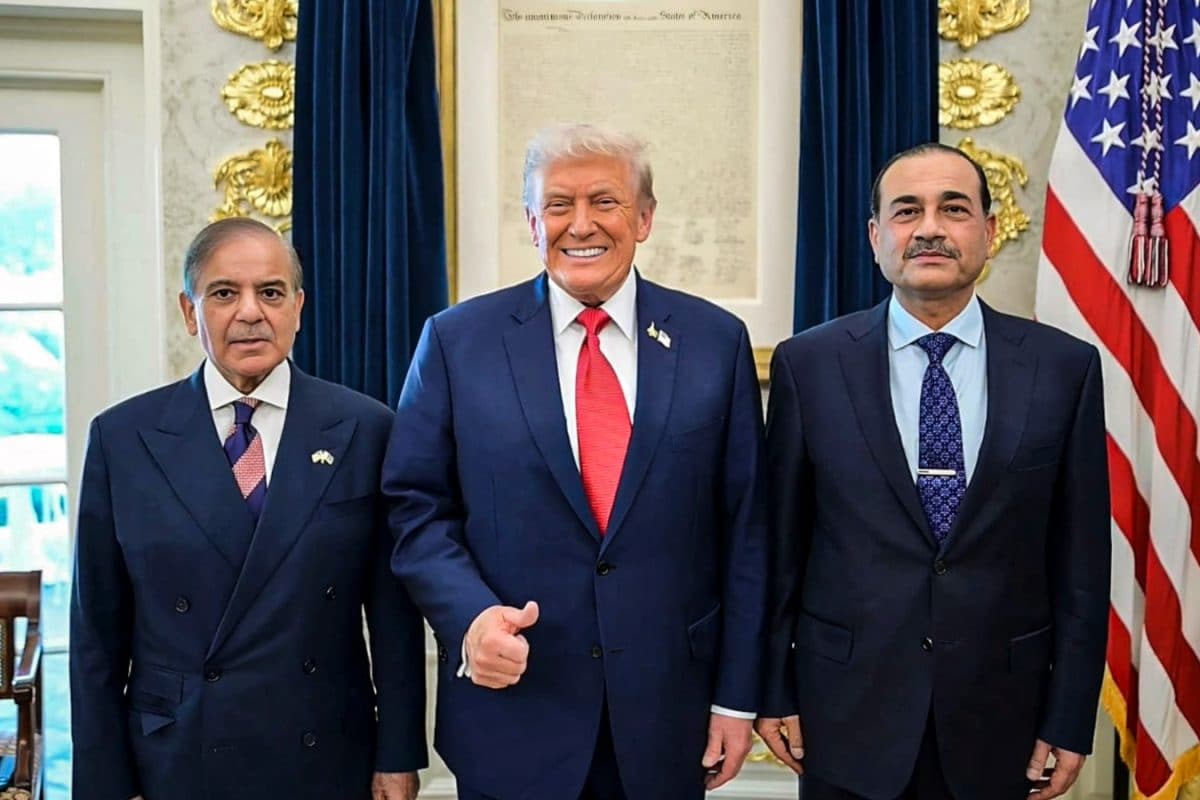
News world US Seeks Transparency, Urges Pakistan To End The Secrecy Around Defence, Spy Funds US Seeks Transparency, Urges Pakistan To End The Secrecy Around Defence, Spy Funds Reported By, Edited By Last Updated: August 12, 2026, 12:24 IST One of the key concerns raised by the State Department is the absence of timely publication of Pakistan's executive budget proposal. Rapid Read US President Donald Trump with Pakistan Prime Minister Shehbaz Sharif and Army Chief Asim Munir at the White House | File image The United States has called on Pakistan to improve fiscal transparency by bringing military and intelligence expenditures under greater parliamentary or civilian oversight, according to the US State Department’s 2026 Fiscal Transparency Report. The report, released as part of Washington’s annual assessment of public financial management practices in foreign countries, says Pakistan made some progress in making its enacted budget and year-end financial reports easily accessible to the public, including online.
However, it flagged several areas where transparency remains inadequate. One of the key concerns raised by the State Department is the absence of timely publication of the executive budget proposal. The report noted that while citizens can access the final approved budget, they do not receive sufficient opportunity to examine the government’s original spending plans within a reasonable period. The assessment also highlighted limited disclosure of government debt obligations, particularly liabilities linked to major state-owned enterprises. Such disclosures are considered important for evaluating a country’s overall fiscal health and potential financial risks. The strongest observation relates to Pakistan’s security establishment. The report stated that military and intelligence budgets were not subject to adequate parliamentary or civilian public oversight. It recommended that Islamabad strengthen mechanisms that would allow elected institutions or civilian authorities to scrutinise these expenditures more effectively. Washington outlined three broad reforms that could improve Pakistan’s fiscal transparency: timely publication of executive budget proposals, detailed disclosure of debt obligations including those of state-owned enterprises, and meaningful oversight of military and intelligence spending.
At the same time, the report acknowledged several positive aspects of Pakistan’s financial governance. It said publicly available budget documents provide a substantially complete picture of most planned expenditures and revenues, including natural resource revenues. It also noted that Pakistan’s supreme audit institution meets international standards of independence and that its audit reports are released publicly within a reasonable period. The State Department further observed that the government appears to follow legal procedures for awarding natural resource extraction contracts and licenses, and that basic information on such awards is publicly available. The report does not impose penalties, but it serves as an important benchmark used by the United States in assessing governance, accountability and public financial management. The recommendations are likely to add to the broader debate within Pakistan over fiscal openness, civilian oversight and transparency in the management of public resources, especially in sectors traditionally shielded from detailed public scrutiny.
 The BriefWire