India Joins The Moon Base Race? What NASA Wants From ISRO And Where China Fits In
News explainers India Joins The Moon Base Race? What NASA Wants From ISRO And Where China Fits In India Joins The Moon Base Race? What
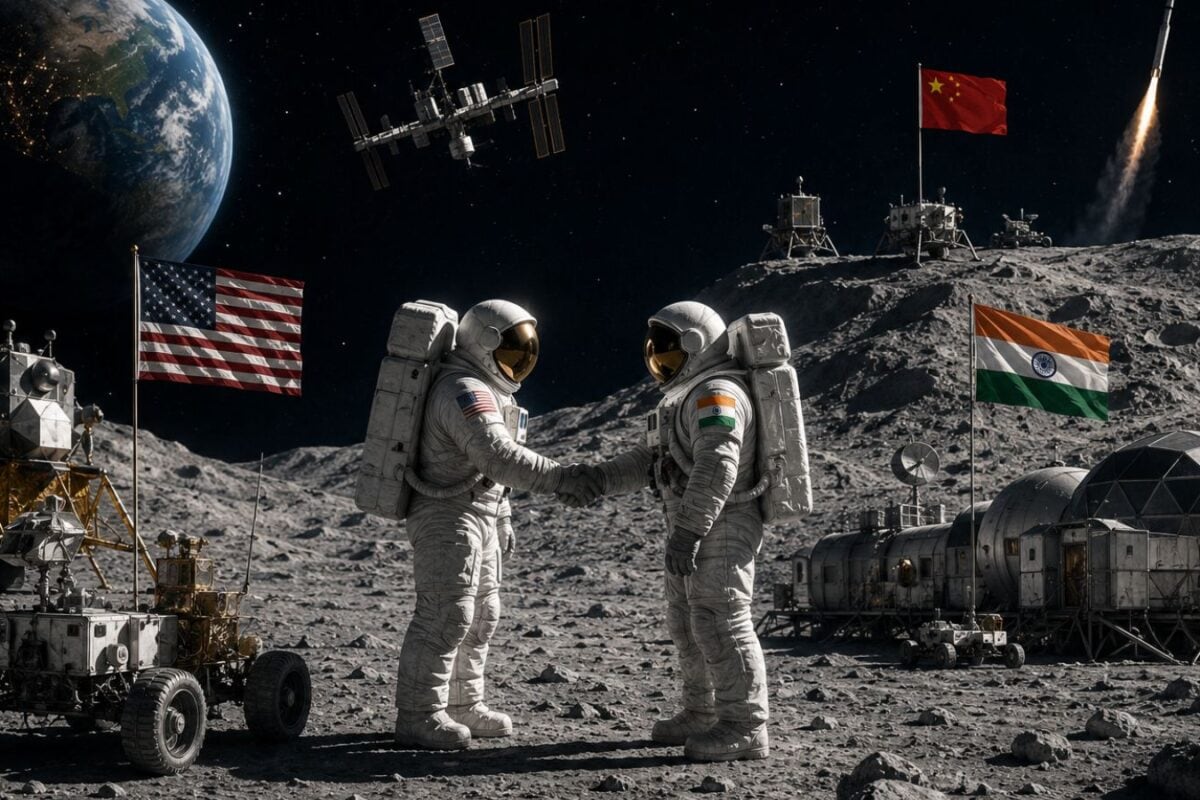
News explainers India Joins The Moon Base Race? What NASA Wants From ISRO And Where China Fits In India Joins The Moon Base Race? What NASA Wants From ISRO And Where China Fits In Written By, Last Updated: August 12, 2026, 09:40 IST As the US and China move towards competing visions of a future human presence on the Moon, India’s choice of partnerships could have consequences well beyond science Rapid Read For India, joining the Moon Base effort could provide access to technologies, scientific cooperation and human-spaceflight experience that would be difficult and expensive to develop alone. (AI-Generated Image) NASA has invited the Indian Space Research Organisation (ISRO) to participate in its Moon Base programme, opening a new chapter in India-US space cooperation and placing India in an increasingly important international lunar ecosystem. The invitation was extended during the ninth meeting of the India-US Civil Space Joint Working Group, held at ISRO headquarters in Bengaluru on August 5 and 6. The talks covered lunar exploration, human spaceflight, scientific research, commercial space activity and the sharing of scientific data under the Artemis Accords. But the bigger question is: what exactly can India bring to an ambitious American plan to establish a sustained human presence on the Moon and why does the China factor make this partnership strategically significant? What Is NASA’s Moon Base Programme? NASA announced its Moon Base programme in March 2026 as part of its “Ignition" initiative. The plan envisages a phased approach towards establishing a sustained human presence on the lunar surface, with the Moon’s South Pole emerging as a key area of interest. ALSO READ | How Chandrayaan-3 Uncovered Ice Beneath Moon’s Surface In More Polar Areas Than Expected Unlike the Apollo programme, which was primarily about demonstrating that humans could reach the Moon, the new effort is focused on building infrastructure that can support repeated missions, scientific research and eventually longer-duration human activity. NASA’s strategy involves substantial participation from commercial companies and international partners. The agency has already begun selecting companies for lunar landers, rovers and other systems that will support the build-up of the lunar base. The South Pole is particularly important because permanently shadowed regions are believed to contain water ice. That water could potentially be processed into drinking water, oxygen and, eventually, hydrogen and oxygen propellants, making the region strategically valuable for a sustainable lunar presence. So, What Does India Bring To The Table? India is not being invited simply because it is another country willing to participate. ISRO has developed considerable experience in lunar missions at a relatively modest cost and has demonstrated capabilities that can complement those of the US.
 The BriefWire