Back To The Valley, But Not Yet Safe? The Story Of 6,000 Kashmiri Pandit Employees Facing Another Threat
News explainers Back To The Valley, But Not Yet Safe? The Story Of 6,000 Kashmiri Pandit Employees Facing Another Threat Back To The Valley, But
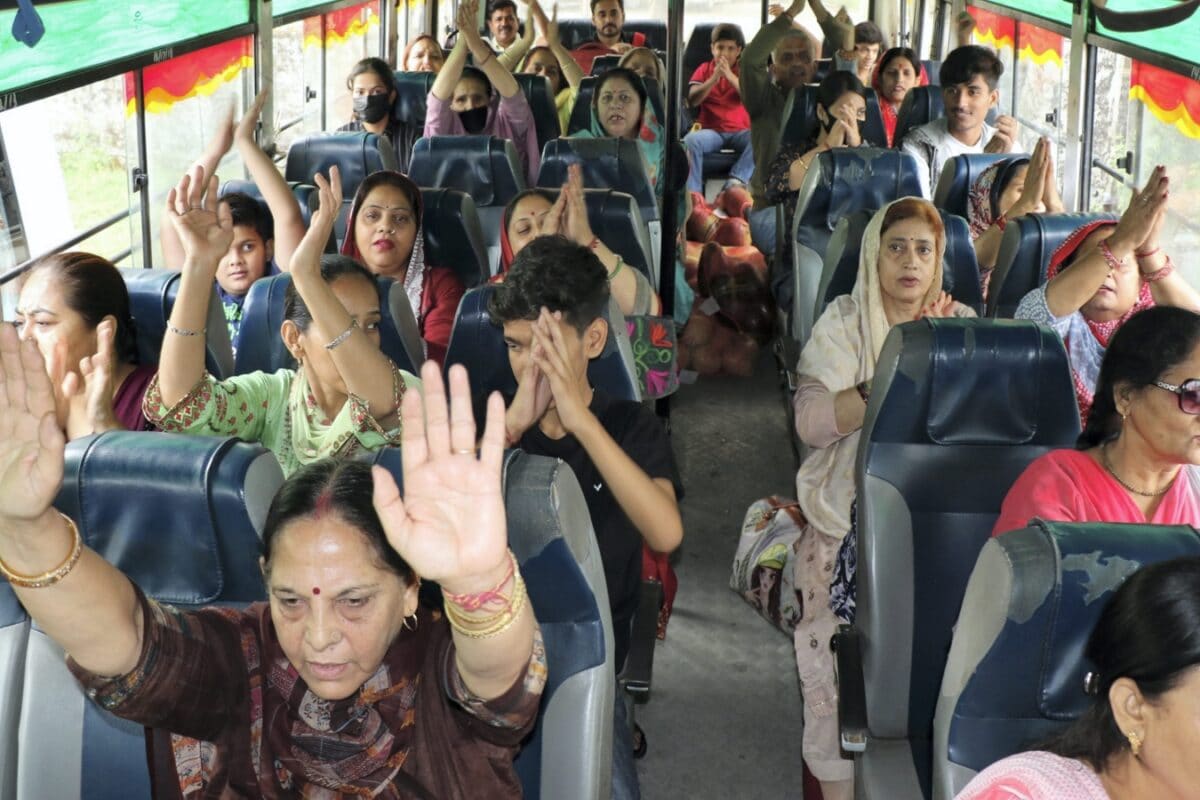
News explainers Back To The Valley, But Not Yet Safe? The Story Of 6,000 Kashmiri Pandit Employees Facing Another Threat Back To The Valley, But Not Yet Safe? The Story Of 6,000 Kashmiri Pandit Employees Facing Another Threat Published By, Last Updated: August 12, 2026, 09:26 IST A letter, reportedly circulated online, claimed that the group had details of the targeted individuals, including information about their families, locations and workplaces. Rapid Read Migrant Kashmiri Pandits inside a bus before leaving for the annual 'Kheer Bhawani Mela', in Jammu. (PTI Photo/File) Security has been tightened across areas of the Kashmir Valley where Kashmiri Pandits live after a purported threat letter attributed to the United Liberation Council, a front for Pakistan-based Lashkar-e-Taiba, named several members of the community and listed their phone numbers. The letter, reportedly circulated online on August 7, claimed that the group had details of the targeted individuals, including information about their families, locations and workplaces. Police are investigating the communication, while surveillance and patrolling have been stepped up in areas inhabited by Pandits. Some government employees have also been permitted to work from home temporarily as a precaution. The development has caused particular alarm because several of those facing the threat are government employees recruited under the Centre’s special employment package for displaced Kashmiri Pandits. The programme was conceived as a key part of the effort to bring members of the community back to the Valley after the 1990s exodus. The latest threat has raised an uncomfortable question: how far has the policy of rehabilitation progressed if employees who returned to Kashmir through a government-backed scheme still require heightened protection because of their identity?
What Is The PM Employment Package? The special employment package was introduced as part of the Centre’s rehabilitation efforts for Kashmiri Pandits who had left the Valley during the rise of militancy in the late 1980s and early 1990s. A major component of the 2008 rehabilitation package was the creation of 3,000 government jobs for Kashmiri Pandits. The scheme was subsequently expanded under the Prime Minister’s Development Package announced in 2015, with another 3,000 government posts approved. This took the sanctioned employment target to 6,000 jobs. Government jobs were intended to create an economic incentive and a practical route for displaced families to return to the Valley and rebuild their lives there. The package was accompanied by housing and other rehabilitation measures, including transit accommodation for employees who returned to take up their postings. How Many Employees Have Actually Benefited? The programme has been substantially implemented. According to figures provided by the Ministry of Home Affairs in 2024, 5,724 of the 6,000 government jobs sanctioned under the two employment packages had been filled. That means more than 95 per cent of the posts had been occupied. These employees have been posted in government departments across the Kashmir Valley. The numbers show the scale of the government’s attempt to use employment as a mechanism for rehabilitation. But they also explain why any security threat directed at these employees has consequences beyond the handful of people whose names may appear in a threat communication. A threat to a few employees can quickly become a security concern for thousands of people associated with the same rehabilitation programme. Why Do These Employees Live In Transit Accommodation?
 The BriefWire