'High On Marijuana, Questionable Behaviour': Will Air India Phuket-Delhi Flight Pilot Lose Licence?
News explainers 'High On Marijuana, Questionable Behaviour': Will Air India Phuket-Delhi Flight Pilot Lose Licence? 'High On Marijuana, Questionable Behaviour': Will Air India Phuket-Delhi Flight
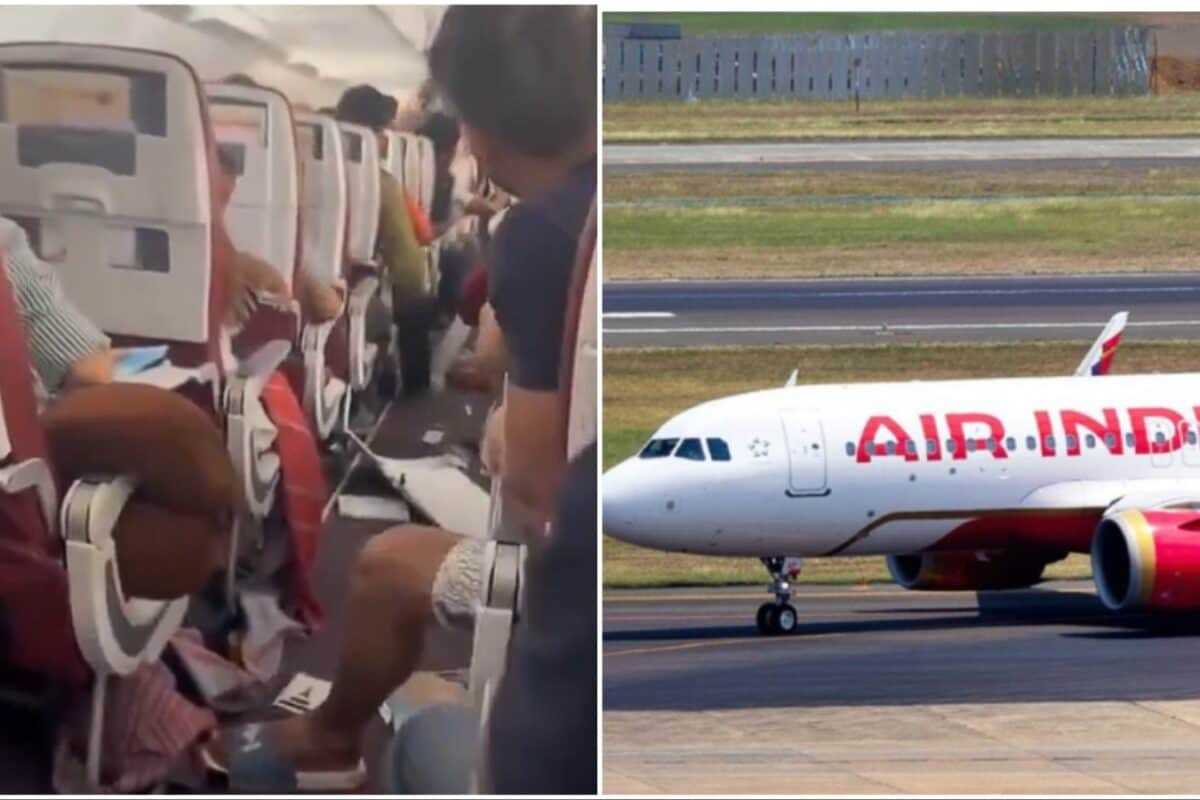
News explainers 'High On Marijuana, Questionable Behaviour': Will Air India Phuket-Delhi Flight Pilot Lose Licence? 'High On Marijuana, Questionable Behaviour': Will Air India Phuket-Delhi Flight Pilot Lose Licence? Published By, Last Updated: August 12, 2026, 08:00 IST According to reports, multiple sources familiar with the incident said the pilot appeared to be under the influence of psychoactive substances while operating flight AI2379. Rapid Read Airbus and France's BEA will assist the AAIB investigation into the Air India AI2379 flight incident. (Video screengrabs/Social Media) The Air India Phuket-Delhi flight that suddenly lost around 300 feet during severe turbulence is now at the centre of a much more serious aviation safety investigation after its pilot-in-command reportedly tested positive for marijuana in a confirmatory dope test. The development has raised questions not only about the pilot’s fitness to fly but also about what happened inside the cockpit during the flight. According to a report in The Times of India, multiple sources familiar with the incident said the pilot appeared to be under the influence of psychoactive substances while operating flight AI2379. The report said the cabin crew has also filed a complaint with Air India about the pilot’s behaviour onboard. These allegations have not been independently established by investigators, and Air India has not publicly confirmed the cabin crew’s complaint. The details reported by TOI are particularly striking. According to people cited in the report, the pilot was “often sitting on the floor" of the flight deck and appeared to be trying to smoke. Cabin crew members allegedly had to help him back into his seat. The sources further claimed that he was not fully in control of himself and had difficulty walking after leaving the aircraft. The Airbus A320neo reportedly went momentarily into a negative-G situation, during which the pilot and objects in the cockpit floated up, while passengers and crew members who were not restrained were injured. According to the report, the young co-pilot then had to steady the aircraft and land it safely. These accounts, if corroborated, could become important in determining the seriousness of the regulatory action. A positive marijuana test establishes a violation of the DGCA’s rules governing psychoactive substances, but evidence suggesting that the pilot was visibly impaired while flying could give investigators a much broader safety picture.
The Aircraft Accident Investigation Bureau (AAIB) is separately examining the incident, including technical, operational, medical and human-factor evidence. The government has also said that records, statements and medical material collected during the investigation are subject to confidentiality under the applicable investigation framework. What Happens To The Pilot Now? First, the positive test triggers a formal regulatory process. India’s DGCA has a specific framework for testing aviation personnel for psychoactive substances. The rules cover flight crew and other safety-sensitive personnel and prescribe screening and confirmatory testing. In this case, the initial screening was reported as “not negative". That meant the pilot was removed from flying duties while the sample underwent confirmatory testing. The second test has now reportedly detected marijuana. A confirmed positive does not, however, mean that the pilot’s licence is automatically cancelled. The DGCA framework provides a rehabilitation and medical-clearance route for a first confirmed positive. The concerned aviation personnel is required to undergo a de-addiction or rehabilitation programme and subsequent medical assessment before being considered for a return to safety-sensitive duties. Before being allowed back into safety-sensitive duties, the person must undergo further testing and obtain the required medical clearances. The treating psychiatrist and the organisation’s Chief Medical Officer have roles in establishing whether the individual is fit to resume such duties. That means the pilot would remain grounded while this process is completed. The logic behind the rule is that a person entrusted with hundreds of lives cannot be cleared to fly merely because a period of rehabilitation has ended. The regulator must be satisfied that the person is free from the prohibited substance and medically fit to perform safety-sensitive duties. Will Pilot’s Behaviour On The Flight Make This Case Different? If the allegations are corroborated, including the claim that the pilot was unable to remain properly seated, needed assistance from cabin crew and appeared unable to walk normally, investigators could examine whether there was evidence of “actual impairment while on duty", rather than simply evidence of marijuana consumption at some earlier point. A biological test can establish that a substance or its metabolites were present in the body.
 The BriefWire