'America's Saddest Murder Trial': Lindsay Clancy Case Puts Postpartum Mental Health In Focus
News world 'America's Saddest Murder Trial': Lindsay Clancy Case Puts Postpartum Mental Health In Focus 'America's Saddest Murder Trial': Lindsay Clancy Case Puts Postpartum Mental
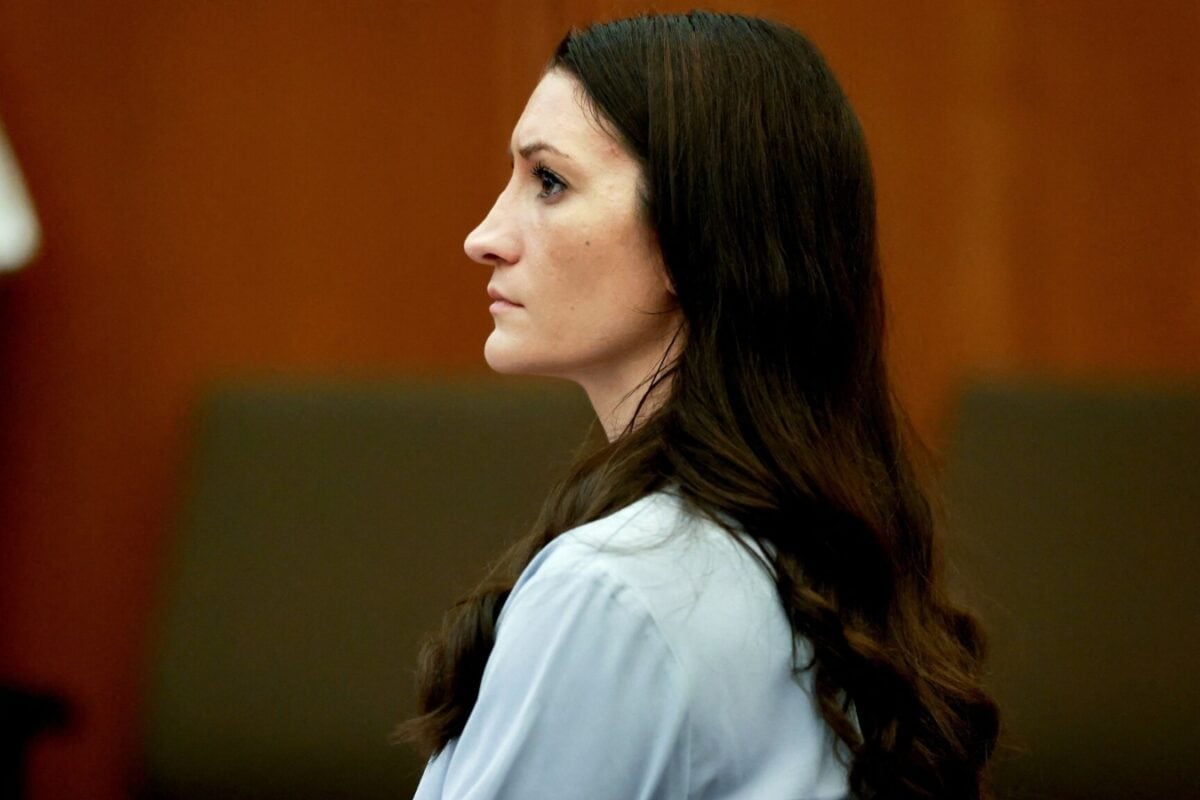
News world 'America's Saddest Murder Trial': Lindsay Clancy Case Puts Postpartum Mental Health In Focus 'America's Saddest Murder Trial': Lindsay Clancy Case Puts Postpartum Mental Health In Focus Published By, Last Updated: August 12, 2026, 04:03 IST Clancy, 36, is accused of killing her 3 children in 2023. She then attempted suicide by jumping from a second-floor window, leaving her paralysed from the waist down. Rapid Read Lindsay Clancy, listens, to Judge William F. Sullivan addressing the court at her murder trial in Plymouth, Massachusetts. (Reuters photo) The murder trial of Massachusetts mother Lindsay Clancy has put postpartum mental health and the care of vulnerable mothers under intense scrutiny, as doctors and mental health professionals testify about her condition before she killed her three children. Clancy, 36, is accused of killing her children — Cora, 5, Dawson, 3, and Callan, 8 months — at their Duxbury home on January 24, 2023. She then attempted suicide by jumping from a second-floor window, leaving her paralysed. The proceedings of the case has been described as “America’s saddest murder trial", with testimony focusing heavily on whether Clancy’s deteriorating mental health was recognised and properly treated, The Guardian reported.
Defence Challenges Mental Health Treatment Prosecutors say Clancy “acted intentionally, rationally and swiftly" and deliberately killed the children before attempting to take her own life. Her defence does not dispute that she killed them but argues she was not criminally responsible because she was suffering from postpartum psychosis and other severe mental health problems that distorted her sense of reality. The defence has questioned the treatment Clancy received in the months before the killings, including the use of telehealth appointments and multiple psychiatric medicines. According to CNN, psychiatric nurse practitioner Rebecca Jollotta testified Tuesday that Clancy repeatedly asked to change her medication, saying the drugs were causing intrusive thoughts, insomnia and numbness. Clancy also expressed concern about becoming dependent on Ativan. “It’s just a very scary stressful time for me, and starting new meds with side effects is very scary to me," Clancy wrote in one note. Jollotta told the court that Clancy’s symptoms sounded more like postpartum depression than medication side effects. Clancy had been prescribed about a dozen different psychiatric medicines in the months before the killings, while her psychiatrist, Dr Jennifer Tufts, had treated her through video appointments.
 The BriefWire