Karnataka Cracks Down On Expired Food, Dirty Kitchens; Strict Food Safety Rules Issued
News india Karnataka Cracks Down On Expired Food, Dirty Kitchens; Strict Food Safety Rules Issued Karnataka Cracks Down On Expired Food, Dirty Kitchens; Strict Food
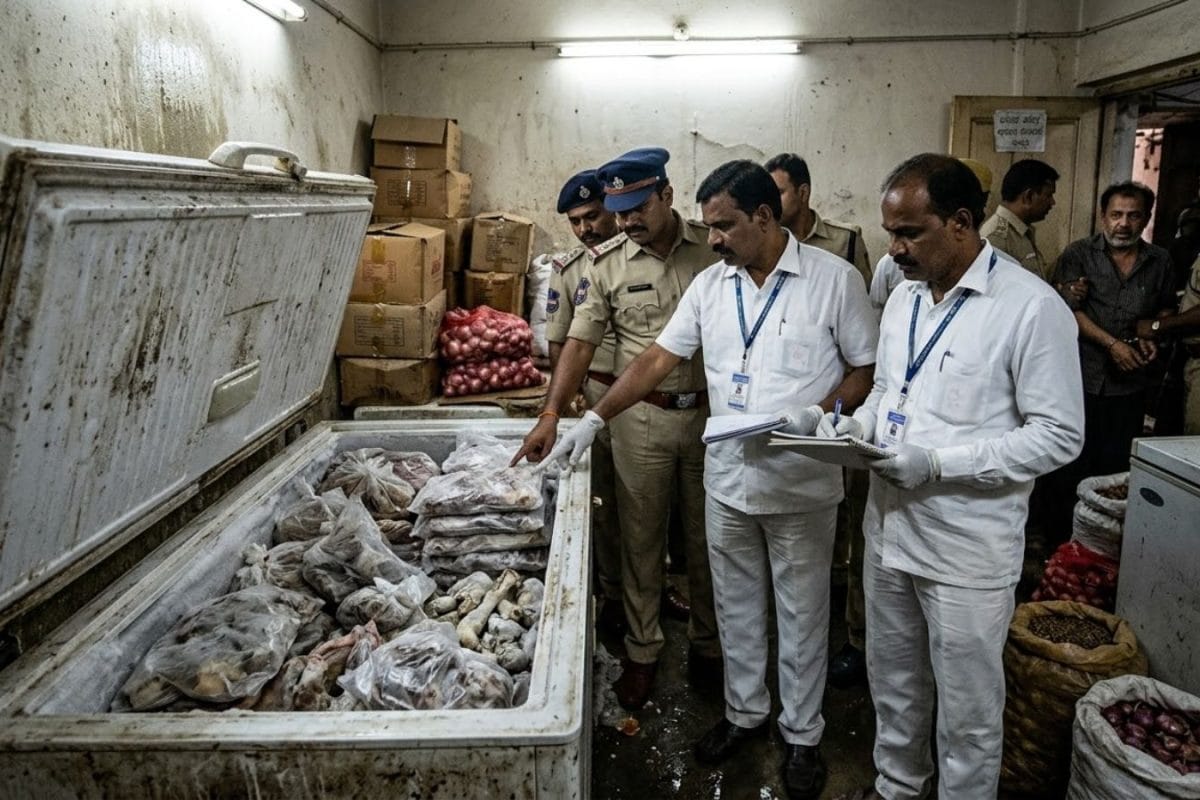
News india Karnataka Cracks Down On Expired Food, Dirty Kitchens; Strict Food Safety Rules Issued Karnataka Cracks Down On Expired Food, Dirty Kitchens; Strict Food Safety Rules Issued Reported By, Last Updated: August 11, 2026, 22:21 IST Karnataka has tightened food safety rules for hotels, restaurants and dhabas, targeting expired food, dirty kitchens, unsafe water, pests and improper cooking oil disposal. The Karnataka Food Safety and Drug Administration Department has warned that establishments failing to comply with food safety requirements could face legal action. (AI Image) Karnataka’s Food Safety and Drug Administration Department stepped up inspections of hotels, restaurants, highway dhabas and other food establishments, warning that violations of food safety and hygiene rules could invite legal action. The department has issued an 11-point food safety advisory covering everything from expired food and kitchen hygiene to drinking water, pest control, food transportation and used cooking oil. The advisory, accessed by CNN-News18, makes it clear that food businesses across Karnataka will face greater scrutiny. Key food safety rules for hotels and restaurants The department has specifically directed food establishments to follow these rules No expired or spoiled food Expired food products must be immediately removed and safely disposed of. Spoiled fruits and vegetables and food showing signs of fungal growth cannot be stored or served. Unsafe artificial colours and unauthorised food additives must not be used. 2. Strict temperature rules Chilled food must be maintained below 4°C. Frozen food must be stored at -18°C. Cold food displayed or stored for service should be maintained below 5°C, wherever applicable.
Hot food should be maintained above 60°C during storage or display, wherever applicable. 3. Raw meat and vegetables must be separated Raw meat, fish and seafood must be stored separately from vegetables. Separate chopping boards, knives and utensils should be used for vegetarian and non-vegetarian food. Food must be thoroughly cooked before being served. 4. Kitchens must meet hygiene standards Cooking areas must be clean, properly maintained and adequately ventilated. Separate sinks should be provided for washing raw food and cleaning utensils. Utensils, crockery and cutlery must be washed properly using detergent and hot water. Walls, floors and ceilings must be maintained in good condition. Cracks, peeling paint and exposed or hanging electrical wires must be addressed. Mesh screens or air curtains should be installed where required to keep out dust and insects. 5. Ingredients must come from reliable sources Raw materials must be procured only from reliable and approved suppliers. Ingredients must be stored hygienically and at the prescribed temperature. Fruits and vegetables must be thoroughly washed before use. Food ingredients should be regularly checked for spoilage. Food must remain covered and protected during storage. Chemical and microbiological testing should be carried out wherever required. 6. Food handlers face stricter rules Kitchen staff must maintain high standards of personal hygiene. Food handlers must wear clean uniforms and appropriate protective clothing. Hairnets or head covers must be worn where required. Hands and fingernails must be kept clean. Food handlers must have valid medical fitness records. Regular training on food safety and personal hygiene must be provided.
 The BriefWire