Air India Phuket-Delhi Flight Pilot’s 2nd Drug Test Positive: Will He Be Sacked For 300-Ft Altitude Drop?
News explainers Air India Phuket-Delhi Flight Pilot’s 2nd Drug Test Positive: Will He Be Sacked For 300-Ft Altitude Drop? Air India Phuket-Delhi Flight Pilot’s 2nd
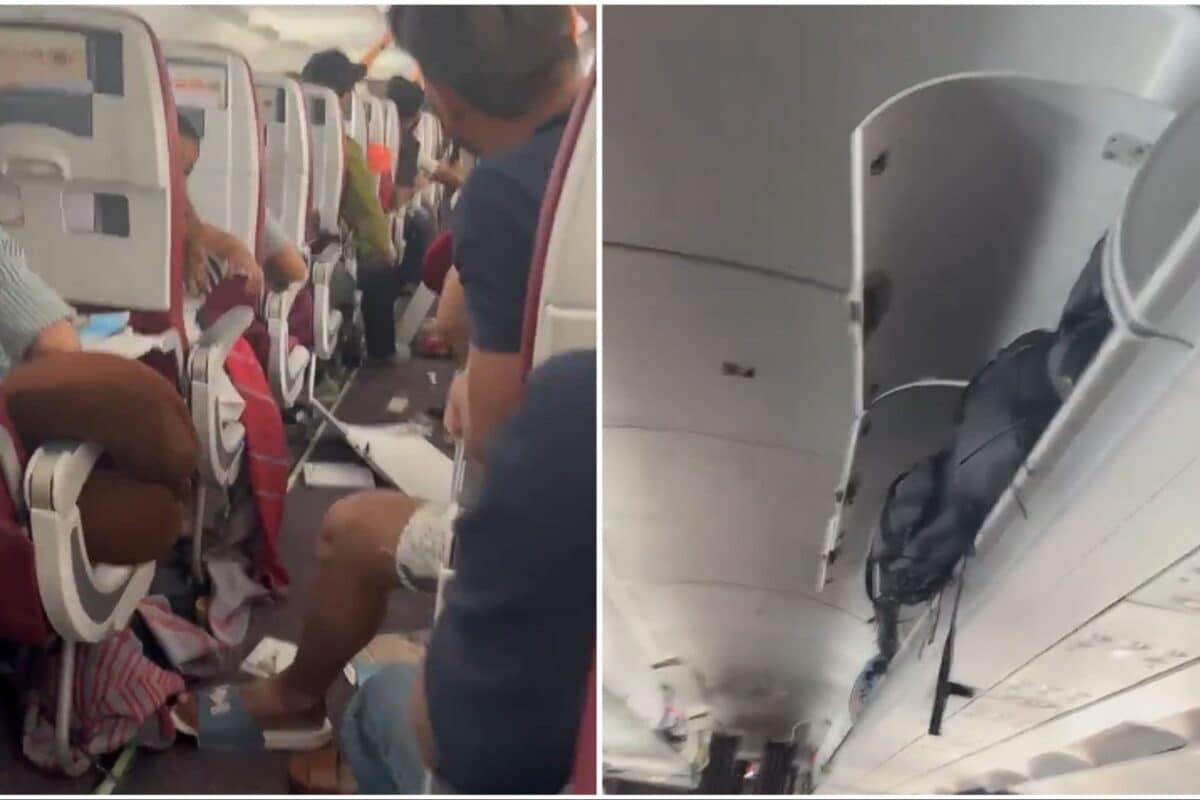
News explainers Air India Phuket-Delhi Flight Pilot’s 2nd Drug Test Positive: Will He Be Sacked For 300-Ft Altitude Drop? Air India Phuket-Delhi Flight Pilot’s 2nd Drug Test Positive: Will He Be Sacked For 300-Ft Altitude Drop? Published By, Last Updated: August 11, 2026, 19:03 IST Air India Phuket-Delhi Flight Row: What next for pilot after a confirmed positive drug test? Immediate grounding, probe, long-term career suspension & legal liability, explained Rapid Read Air India Phuket-Delhi flight pilot reportedly tests positive in post-flight dope test after 300-foot altitude drop (Video screengrabs) The pilot-in-command of Air India Phuket-Delhi flight, which dropped 300-feet mid-air on August 4, has tested positive for drugs, News18 has reported quoting sources. The Airbus A320 lost about altitude during cruise before stabilising and landing safely in Delhi. A few passengers and cabin crew members reported injuries during the incident. The aircraft was carrying 137 passengers, including three infants and eight crew members. Both flight crew members underwent mandatory psychoactive substance screening following the incident, as required under the standard operating procedure.
So what next for the pilot? News18 explains. The positive result of the second drug test or the laboratory confirmatory analysis following an aviation mishap transforms a preliminary “non-negative" screening into an officially confirmed regulatory violation. A confirmed positive result drastically escalates the situation, shifting focus from initial assessment to immediate grounding, long-term career suspension, and legal liability. Medical Review Board Evaluation The positive sample is evaluated by a Medical Review Officer (MRO). The MRO interviews the pilot to determine if there is a legitimate medical explanation, such as a highly specific, legally prescribed drug. If the pilot cannot prove a valid, pre-approved prescription, the result stands as an illegal or unauthorized substance violation. Employment and Legal Fallout Most major commercial airlines enforce a zero-tolerance employment clause for failed confirmatory drug tests. The pilot is almost universally fired for cause, independently of the ongoing regulatory investigation. If the accident investigation proves that the pilot flew under the active influence of a psychoactive substance and caused injury or severe hull damage, civil law enforcement can step in.
The pilot faces criminal prosecution, potential jail time, and massive personal liability charges for endangering passengers. Mandatory Grounding and License Suspension Aviation authorities do not allow a pilot with a confirmed positive drug test to operate an aircraft under any circumstances. Under regulatory frameworks like India’s Directorate General of Civil Aviation (DGCA) CAR, a first-time confirmed violation leads to immediate de-rostering. The pilot is referred to a specialist doctor, counselor, or de-addiction center for mandatory rehabilitation. They cannot apply to return to active service until completing the program, passing a new test, and obtaining a formal medical fitness certificate. If a pilot completes rehab, returns to active duty, and later tests positive a second separate time in their career, the DGCA enforces a strict three-year license suspension. A third career violation results in the permanent cancellation of the pilot’s flying license. Separation of Technical and Impairment Investigations Aircraft accident investigation bodies such as the AAIB or NTSB continue probing the physical mechanics of the mishap. A positive drug test does not automatically mean the drug caused the incident.
 The BriefWire