Disrupted monsoons force India to face climate threat
For generations, India has lived by the rhythm of the southwest monsoon. But with the country hit by dry spells, cloudbursts and deadly floods, climate
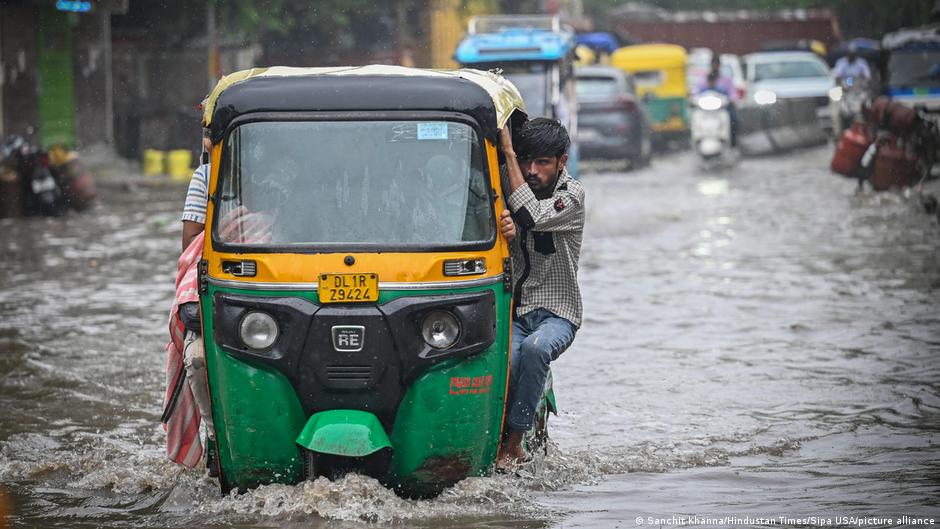
For generations, India has lived by the rhythm of the southwest monsoon. But with the country hit by dry spells, cloudbursts and deadly floods, climate swings now expose the costs of building for yesterday's weather. India's southwest monsoon usually arrives around June, brings most of the country's annual rainfall and begins to retreat by September. Its timing and intensity have always varied, but the broad pattern was predictable enough for farmers, cities and businesses to plan around it. Now, this natural rhythm increasingly seems like a thing of the past. More than 100 people have been killed across India since late July as heavy monsoon rains triggered floods, landslides and lightning strikes. The northeastern state of Assam has borne the brunt, with more than 120,000 people affected by flooding. Kerala, Jammu and Kashmir, Bihar and Jharkhand have also reported deaths and widespread disruption. India's capital New Delhi has also been affected by flooding Image: Sanchit Khanna/Hindustan Times/Sipa USA/picture alliance The problem is not necessarily that India is receiving more rain. It is the way the rain is arriving: longer dry spells are followed by short bursts of intense rainfall that can overwhelm rivers, drainage systems and hillsides. El Nino has added to this year's variability but scientists say the longer-term changes are being driven by a changing climate. Have the monsoons entered a new era? Akshay Deoras, a senior research scientist with the UK's Centre for Atmospheric Science and the University of Reading, cautions against describing the Indian monsoon as having entered "a fundamentally different regime." "Active and break spells have always been part of the monsoon. What appears to be changing is their intensity," Deoras told DW. He pointed out a warmer atmosphere can hold more moisture, making active spells, or periods of intense rainfall, more intense. Tidal flooding in Kerala: A crisis no one saw coming To view this video please enable JavaScript, and consider upgrading to a web browser that supports HTML5 video Madhavan Nair Rajeevan, a climate scientist and former secretary in the Ministry of Earth Sciences, says the change is visible in the behaviour of the monsoon itself.
Average seasonal rainfall, he said, has not shown a systematic long-term change and the monsoon remains a robust natural phenomenon. But the timing, intensity and distribution of rainfall are all noticeably different. "The characteristics of the Indian monsoon have changed fundamentally," Rajeevan told DW. "We are witnessing an increase in short-duration rainfall extremes, longer dry spells, and changes in the frequency, intensity and distribution of monsoon weather systems." He believes the rise in extreme rainfall is more than natural variability. "It represents a structural shift in the monsoon system," he said. Villages and cities both at risk India's farmers depend heavily on the timing of rainfall. Long dry spells can disrupt sowing and reduce soil moisture and intense rain can wash away fields and damage crops. India's cities are also struggling due to rapid construction, as new roads and buildings leave less land to absorb water, thus interfering with natural drainage. Moreover, after weeks of dry weather, hard, dry soil absorbs less water. When heavy rain finally arrives, more of it floods the rivers and drains instead of replenishing groundwater. India not stepping up to extreme weather hazard "The greatest risks increasingly come from short periods of very intense rainfall," Deoras told DW, warning that India's infrastructure is increasingly out of step with this changing threat. Deoras says drainage systems and flood management are still too often designed around historical seasonal rainfall averages rather than the short, high-impact events that cause the greatest disruption. He noted that forecasting has improved, but knowing that extreme rain is coming is only useful if authorities act on the warning. Closing the flood warning gap To view this video please enable JavaScript, and consider upgrading to a web browser that supports HTML5 video Warnings, he said, need to translate into "timely, impact-based decisions" such as changing school schedules, restricting travel or closing off vulnerable areas before heavy rain arrives.
 The BriefWire