Vande Mataram Before Jana Gana Mana: Why India Is Changing Red Fort Tradition This Independence Day
News explainers Vande Mataram Before Jana Gana Mana: Why India Is Changing Red Fort Tradition This Independence Day Vande Mataram Before Jana Gana Mana: Why
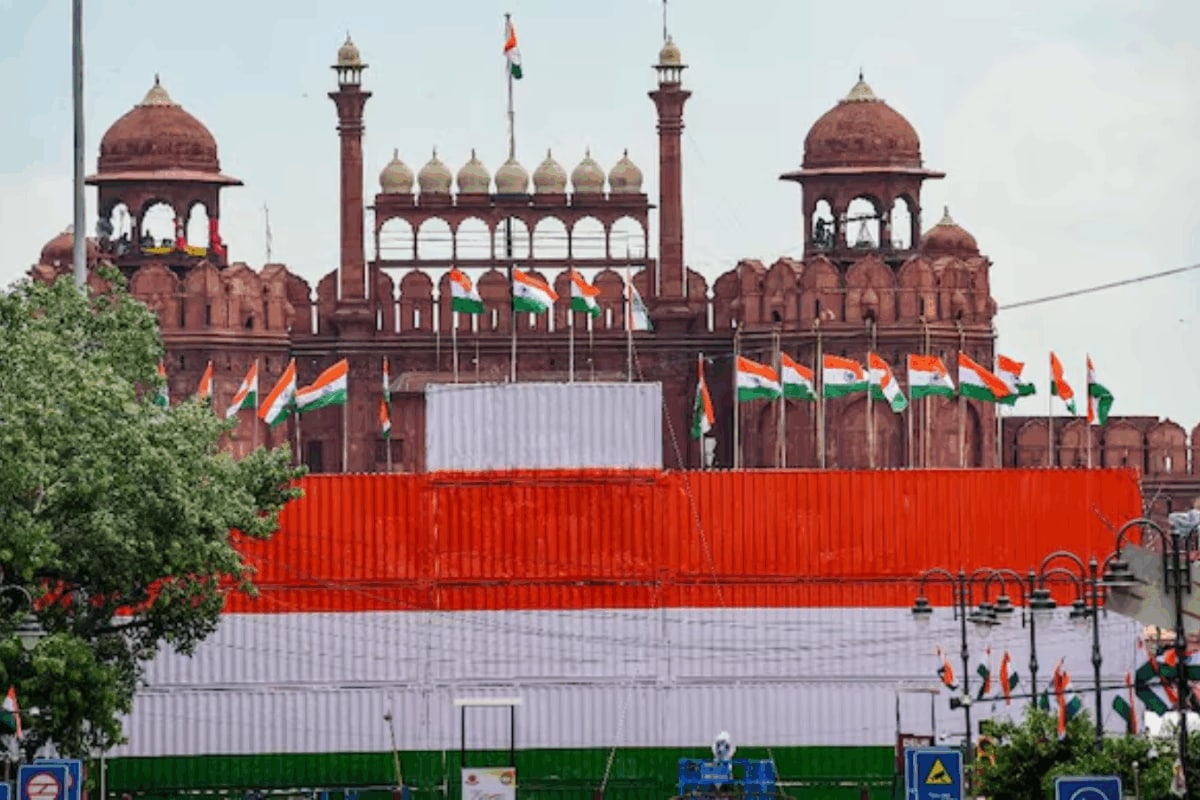
News explainers Vande Mataram Before Jana Gana Mana: Why India Is Changing Red Fort Tradition This Independence Day Vande Mataram Before Jana Gana Mana: Why India Is Changing Red Fort Tradition This Independence Day Published By, Last Updated: August 11, 2026, 13:27 IST Vande Mataram is associated with the struggle for freedom; Jana Gana Mana is associated with the sovereign Republic that emerged after freedom. Rapid Read Vande Mataram will echo at the Red Fort during the Independence Day celebrations. (PTI file photo) For nearly eight decades, the sound that has traditionally framed India’s Independence Day ceremony at the Red Fort has been Jana Gana Mana, the national anthem. This year, however, the sequence will change for the first time. On August 15, 2026, as India marks its 80th Independence Day, Vande Mataram will be sung before the national anthem and before Prime Minister Narendra Modi’s address from the ramparts of the Red Fort. The change has sparked curiosity: why is India singing Vande Mataram first, and why was it not part of the traditional Red Fort ceremony all these years? The new arrangement has been officially announced by the Ministry of Defence and will become part of the ceremonial order of the 2026 celebrations. More than 27,000 people, including dignitaries, students, and invited guests, are expected to stand during the rendition of Vande Mataram. The answer lies in the different constitutional and historical status of India’s two most important patriotic songs.
Jana Gana Mana is India’s national anthem, adopted by the Constituent Assembly on January 24, 1950. It carries a defined legal and ceremonial status and is played at state functions according to a prescribed protocol. Vande Mataram, written by Bankim Chandra Chattopadhyay in the 1870s and published in his novel Anandamath in 1882, was adopted as the national song in 1950. During the freedom struggle, it became a rallying cry against British rule. Revolutionaries, Congress workers, students, and ordinary citizens used it as an expression of devotion to the motherland. The first two stanzas, which are the ones officially recognised for public use, celebrate the beauty and abundance of India without invoking the later religious imagery found in subsequent verses. Why Vande Mataram Will Be Sung First Traditionally, the Red Fort ceremony follows a fixed order: the Prime Minister arrives, unfurls the Tricolour, the national anthem is played, and the address to the nation follows. Vande Mataram was never legally barred from the ceremony; it simply was not part of the established sequence. This year’s change gives Vande Mataram a foundational place in the ceremony. The reasoning lies in the different roles of India’s two most important patriotic compositions. Vande Mataram is the national song, written by Bankim Chandra Chattopadhyay and immortalised during the anti-colonial movement. Jana Gana Mana is the national anthem, adopted by the Constituent Assembly in 1950 and used for official state ceremonies. In simple terms, Vande Mataram is associated with the struggle for freedom; Jana Gana Mana is associated with the sovereign Republic that emerged after freedom.
 The BriefWire