'Akhilesh Uncle, Not Bhaiyya': Inside BSP's Gen Z Gambit With Akash Anand Ahead Of 2027 UP Polls
News india 'Akhilesh Uncle, Not Bhaiyya': Inside BSP's Gen Z Gambit With Akash Anand Ahead Of 2027 UP Polls 'Akhilesh Uncle, Not Bhaiyya': Inside BSP's
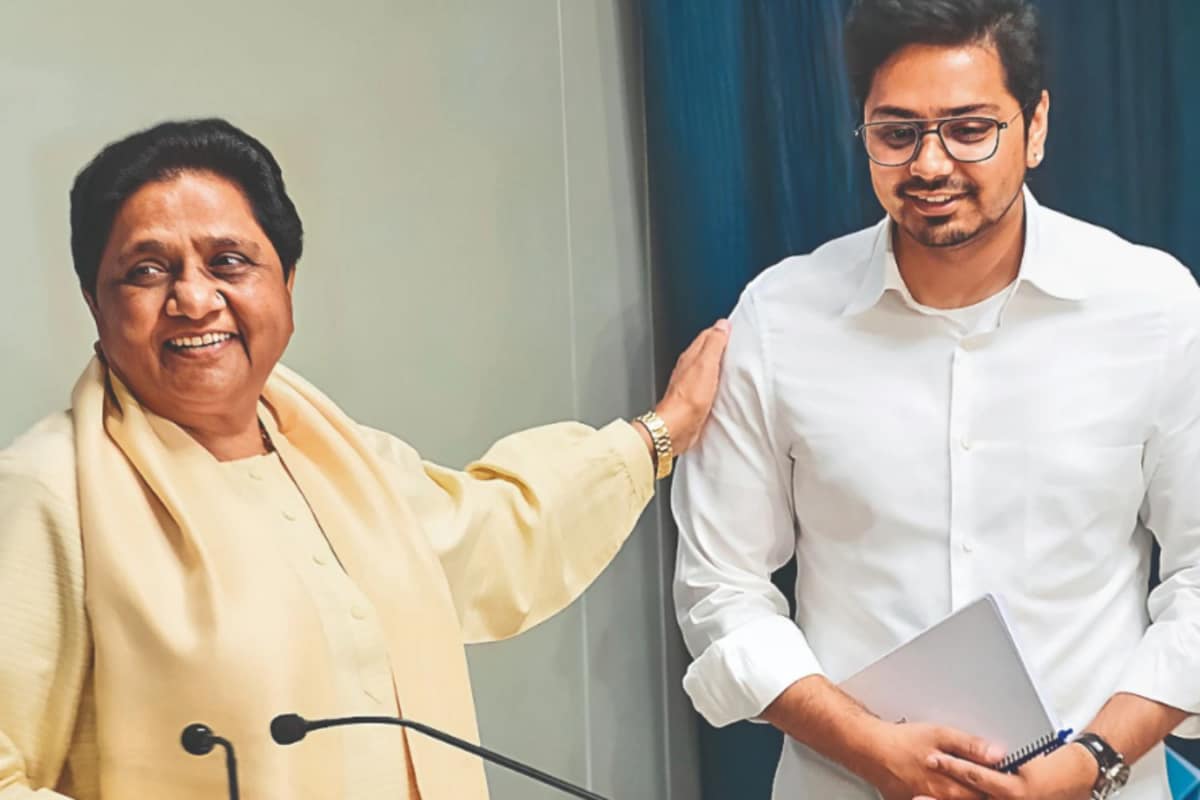
News india 'Akhilesh Uncle, Not Bhaiyya': Inside BSP's Gen Z Gambit With Akash Anand Ahead Of 2027 UP Polls 'Akhilesh Uncle, Not Bhaiyya': Inside BSP's Gen Z Gambit With Akash Anand Ahead Of 2027 UP Polls Published By, Last Updated: August 11, 2026, 10:47 IST Akash Anand called Akhilesh Yadav and Rahul Gandhi 'uncle' at his comeback rally, as BSP joins BJP, SP and Congress in a scramble for UP's Gen Z voters ahead of 2027. Uttar Pradesh has close to 13 crore voters, of whom an estimated 2.07 crore — around 15% of the electorate — belong to Gen Z. BSP national convenor Akash Anand marked his political comeback on August 10 by calling Samajwadi Party chief Akhilesh Yadav and Congress’s Rahul Gandhi “uncle," positioning himself, at 30, as a younger alternative ahead of Uttar Pradesh’s 2027 polls. The jibe signals how central Gen Z has become to strategy. Addressing his first major rally ahead of the polls, in Sadabad Assembly constituency in Hathras district, Anand told the crowd that young voters should carefully choose leaders who would “fight for their future." When someone in the audience suggested he address Akhilesh as “bhaiyya" (brother), Anand shot back: “He is Akhilesh uncle, not Akhilesh bhaiyya" — pointing out that both Akhilesh and Rahul Gandhi are over 50, while he is 30. It was a calculated line, aimed squarely at a voter bloc every major party in Uttar Pradesh is now chasing: Gen Z. Why Does The ‘Uncle’ Remark Matter? The jibe is significant less for its cheekiness than for what it reveals about the BSP’s repositioning. Anand also invoked the recent NEET paper-leak protests in Delhi to build generational kinship with young voters — “I belong to the same generation which staged a protest in Delhi recently," he said, noting that the education minister had resigned but was replaced by someone who had made controversial remarks about rape convicts. His broader message was that protest alone doesn’t change governments; voting does. Describing his address as “behenji ka sandesh" (Mayawati’s message), Anand argued that choosing the right leader was the real “appropriate action" that follows protest.
Why Is Gen Z Suddenly Central To UP’s 2027 Race? Uttar Pradesh has close to 13 crore voters, of whom an estimated 2.07 crore — around 15% of the electorate — belong to Gen Z. That is a large enough bloc to swing outcomes: analysts estimate Gen Z voting patterns could influence results in 80 to 120 of the state’s 403 Assembly seats. The numbers back this up. In the 2022 Assembly election, 99 seats were decided by margins of under 10,000 votes — the BJP won 55 of them, the SP 35, with the rest split among smaller parties and Congress and BSP winning one each. Small shifts, in other words, routinely produce large consequences. Past elections illustrate just how disproportionate these swings can be. In 2012, the SP’s 29.15% vote share was only 3.24 percentage points ahead of the BSP’s 25.91% — yet that gap translated into the SP winning 224 seats to the BSP’s 80, a difference of 144 seats. In 2022, a 7.22-percentage-point gap between the BJP-led NDA (43.82%) and the SP-led alliance (36.60%) produced a 148-seat difference. If even 3-5% of Gen Z voters shift allegiance in 2027, the impact on seat tallies could be significant. There’s also a longer-term trend working against the ruling BJP. According to research cited by Lucknow-based educationist Pankaj Agrawal, around 85% of young voters backed the BJP in the 2014 Lok Sabha election; that fell to roughly 70% in 2019, and further to 50-55% in 2024 — a decline of 30-35 percentage points across three elections. Agrawal argues Gen Z lacks an established political leader or party and is instead shaped heavily by Instagram and social media trends, pointing to youth-led protests over the NEET paper leak and new UGC rules — including demonstrations at Jantar Mantar that drew even young people from BJP- or RSS-supporting families — as evidence that this generation makes independent political choices. How Is BSP Trying To Revamp Itself For Gen Z? The BSP has traditionally relied on its core Dalit vote base, but Anand’s re-launch signals an attempt to widen that appeal to first-time and young voters.
 The BriefWire