Waris Punjab De's Big Bet, BJP's Amarinder Play And More: The 2027 Poll Chessboard
News explainers Waris Punjab De's Big Bet, BJP's Amarinder Play And More: The 2027 Poll Chessboard Waris Punjab De's Big Bet, BJP's Amarinder Play And
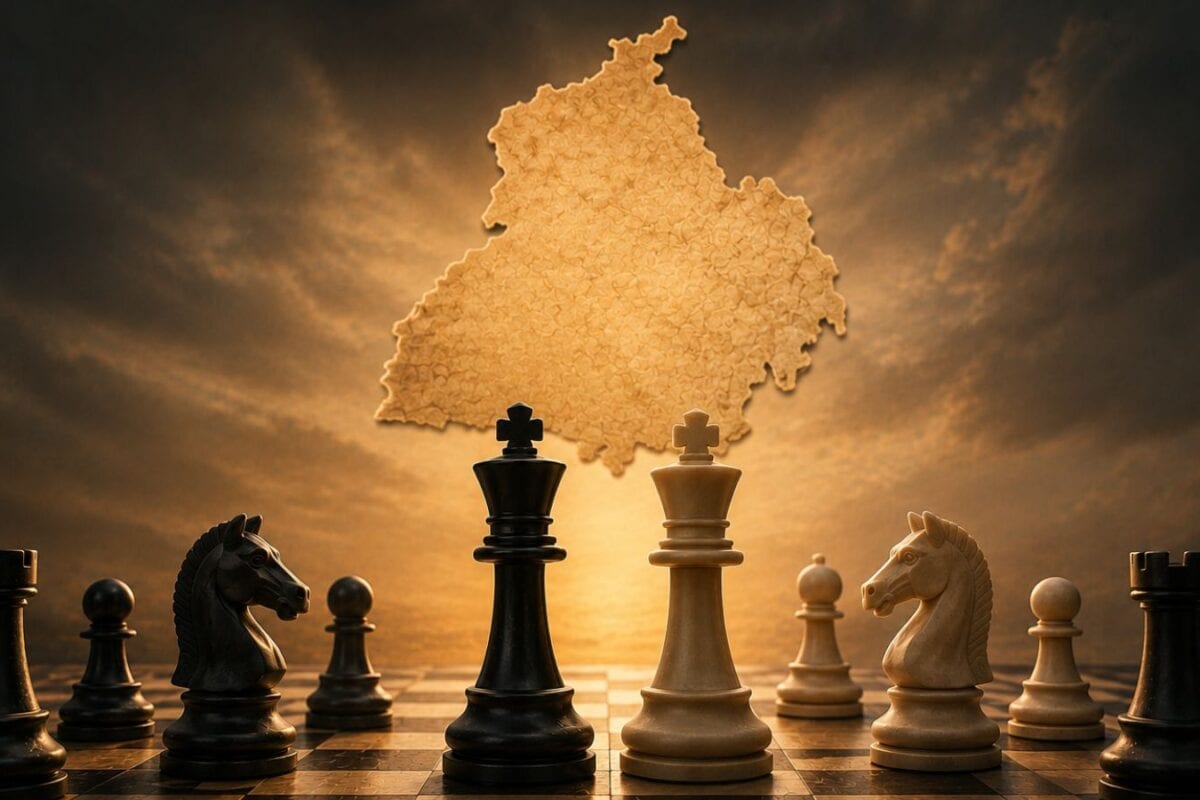
News explainers Waris Punjab De's Big Bet, BJP's Amarinder Play And More: The 2027 Poll Chessboard Waris Punjab De's Big Bet, BJP's Amarinder Play And More: The 2027 Poll Chessboard Reported By, Edited By Last Updated: August 11, 2026, 09:46 IST Waris Punjab De’s candidate choice, BJP’s possible Amarinder family bet and fresh SAD-BJP alliance buzz are reshaping Punjab’s poll battle, with AAP and Congress facing key tests Rapid Read Punjab’s 2027 political chessboard takes shape as parties make early moves ahead of the Assembly elections. (AI-Generated Image) Punjab’s 2027 assembly election may still be months away, but the first signs of a politically crowded contest are already emerging. The latest signal comes from Waris Punjab De, which has announced Satwant Singh, son of Kehar Singh, as its candidate from Bassi Pathana. Kehar Singh was convicted in the assassination of former prime minister Indira Gandhi and was executed in 1989. The choice is significant not merely because of the candidate’s family background, but because it marks a move by Waris Punjab De from political mobilisation towards a more direct electoral battle. Announcing the decision, Tarsem Singh, father of jailed MP Amritpal Singh, said the party’s politics was rooted in Panthic principles, Punjab’s rights and ensuring representation for families who made sacrifices for the Panth and Punjab. Waris Punjab De has traditionally been associated with issues of Sikh identity, Punjab’s rights and grievances concerning the state’s political and social landscape. Entering the assembly electoral arena gives it an opportunity to test whether that influence can translate into votes. This, however, is only one of several developments beginning to reshape Punjab’s 2027 contest. BJP Could Bring Amarinder’s Daughter Into The Fray While Waris Punjab De has made its first major electoral move, the BJP is also looking at familiar political names as it tries to expand its footprint in Punjab. Sources indicate that Jai Inder Kaur, daughter of former Punjab chief minister Amarinder Singh, could be considered for a BJP ticket in the 2027 assembly election. Kaur is already active in the BJP and heads the party’s Mahila Morcha in Punjab.
A possible electoral debut would give the BJP an established political surname in a state where it is trying to move beyond its traditional urban base. The Amarinder family retains a political association with the Patiala region, making the possibility of Jai Inder Kaur entering the assembly contest particularly significant. For the BJP, this would fit into a larger strategy of using established local political figures to build a stronger state-level organisation. However, no final decision on her candidature has been announced yet. SAD-BJP Alliance Buzz Is Back The other major piece of the puzzle is the Shiromani Akali Dal-BJP relationship. The two parties were long-standing allies before their relationship broke down over the farm laws in 2020. But fresh political signals have revived speculation about a possible rapprochement. SAD chief Sukhbir Singh Badal met Prime Minister Narendra Modi, and shortly afterwards the Akali Dal backed the Centre’s push for delimitation and women’s reservation. That was notable because the SAD had previously opposed the proposed delimitation exercise over concerns that states such as Punjab, which had controlled population growth, could be disadvantaged. Sukhbir Badal’s subsequent support for the Centre’s position has therefore been viewed as a possible sign of political thaw. It does not, however, amount to a formal alliance announcement. BJP Still Says Its Alliance Is With Punjab The BJP has been careful about the speculation. Haryana Chief Minister Nayab Singh Saini has said the BJP’s alliance in Punjab is with the people of the state. He has also ruled out giving a clear commitment on an alliance with the Akalis. That public position is important because the BJP has spent the past few years attempting to build an independent organisation in Punjab. The party is looking to contest a much larger number of seats on its own than it did when it was the junior partner of the SAD. So, the BJP now has two options: Fight alone and build its own base, or revive the old BJP-SAD formula and immediately gain access to the Akalis’ established rural network.
 The BriefWire