Six FaceTime Calls, Backroom Support: Did Kejriwal Script Abhijeet Dipke, CJP's Protest In Delhi? | Exclusive
News india Six FaceTime Calls, Backroom Support: Did Kejriwal Script Abhijeet Dipke, CJP's Protest In Delhi? | Exclusive Six FaceTime Calls, Backroom Support: Did Kejriwal
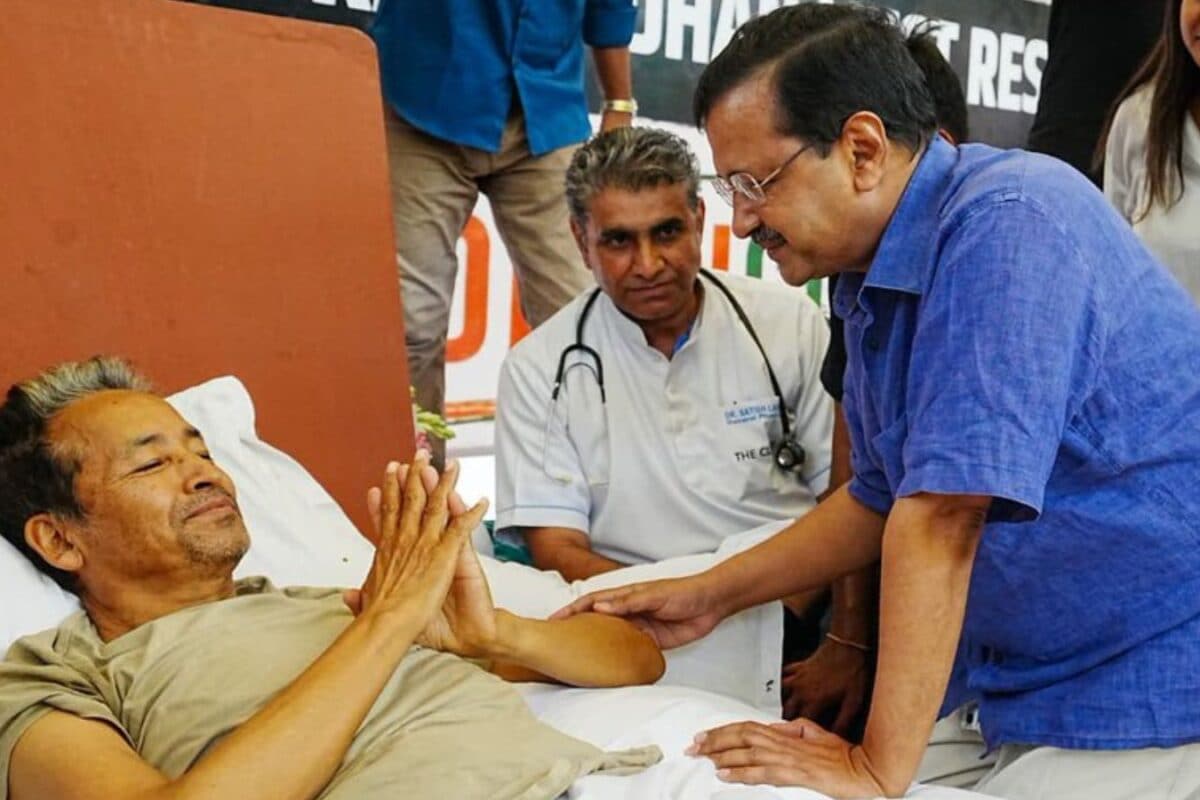
News india Six FaceTime Calls, Backroom Support: Did Kejriwal Script Abhijeet Dipke, CJP's Protest In Delhi? | Exclusive Six FaceTime Calls, Backroom Support: Did Kejriwal Script Abhijeet Dipke, CJP's Protest In Delhi? | Exclusive Reported By, Last Updated: August 11, 2026, 09:28 IST Top intelligence sources allege that Arvind Kejriwal was involved in managing the movement’s backroom political strategy and digital infrastructure. Rapid Read Arvind Kejriwal meets Sonam Wangchuk at Jantar Mantar. (File) The student agitation that unfolded at Delhi’s Jantar Mantar over examination irregularities is now at the centre of a political controversy, with intelligence sources claiming that former Delhi chief minister Arvind Kejriwal and the Aam Aadmi Party (AAP) maintained a backchannel with Cockroach Janta Party (CJP) founder Abhijeet Dipke. According to top intelligence sources, the alleged arrangement involved political counselling, logistical and digital support, and efforts to ensure that the student-led movement remained focused on the Centre rather than becoming directly aligned with another opposition party. The sequence of events began after Dipke left Delhi following a single-day demonstration at Jantar Mantar on June 6, 2026. The protest had begun in the morning with students, activists and examination aspirants and ended peacefully later that evening. Sources claim Dipke was initially reluctant to return to Delhi for a prolonged agitation. It was at this point, they allege, that Kejriwal, through AAP leader Saurabh Bhardwaj, made six FaceTime calls to persuade him to come back and sustain the movement. According to the same sources, Dipke was assured that he would receive backroom support and should not be concerned about negative propaganda or the political pressure that could follow a prolonged confrontation with the government.
Dipke eventually returned to Delhi and began an extended protest at Jantar Mantar on June 20. The agitation subsequently expanded, with activist Sonam Wangchuk joining the protest and undertaking a 26-day indefinite hunger strike over examination irregularities and related student demands. The developments around Wangchuk’s fast became one of the first major moments when Dipke and the CJP leadership, according to the intelligence inputs, became concerned about the direction of the movement. Wangchuk ended his hunger strike in the early hours of July 24 after discussions with the government and written assurances on issues including peaceful protesters, examination reforms and accountability over paper leaks. He broke his fast in the presence of Union ministers JP Nadda and Jitendra Singh. Sources claim Dipke was worried that Wangchuk’s decision could weaken the momentum of the agitation. Kejriwal, they allege, advised him not to panic and encouraged the CJP to issue an open letter making it clear that the movement would continue. In that communication, the CJP said Wangchuk’s sacrifice had inspired a generation and promised that the fight for examination justice would continue until its demands were met. Dipke’s wrote that that the CJP would continue its protest after Wangchuk ended his fast. The second flashpoint came on July 21, when Congress leaders Rahul Gandhi, Mallikarjun Kharge, Priyanka Gandhi Vadra and Akhilesh Yadav staged a high-profile protest near Prime Minister Narendra Modi’s residence at 7 Lok Kalyan Marg over the treatment of student protesters.
 The BriefWire