No Petrol, Diesel Price Cut Yet: Centre Explains Why Fuel Rates Remain Market-Driven
News india No Petrol, Diesel Price Cut Yet: Centre Explains Why Fuel Rates Remain Market-Driven No Petrol, Diesel Price Cut Yet: Centre Explains Why Fuel
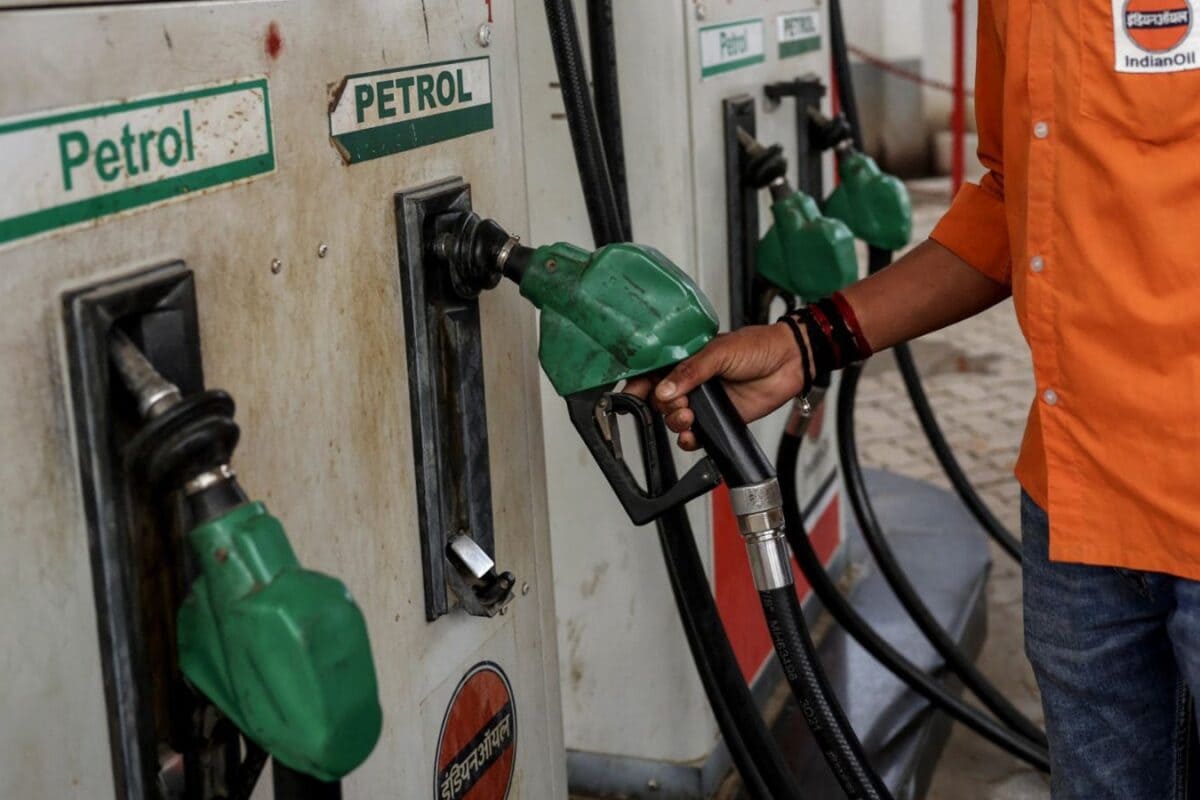
News india No Petrol, Diesel Price Cut Yet: Centre Explains Why Fuel Rates Remain Market-Driven No Petrol, Diesel Price Cut Yet: Centre Explains Why Fuel Rates Remain Market-Driven Published By, Last Updated: August 10, 2026, 21:21 IST Petrol, diesel prices may not fall soon as the government says rates are market-driven, while crude oil prices continue to fluctuate. Fuel Rates May Not Fall Despite Crude Oil Decline. | Image for representation: AFP Petrol, Diesel Prices Today: The Central government on Monday said it has no direct role in deciding petrol and diesel prices, as retail rates are market-driven and determined by public sector oil companies. Minister of State for Petroleum and Natural Gas Suresh Gopi gave the response in the Rajya Sabha while answering a question on whether the government planned to reduce fuel prices amid a sustained decline in international crude oil prices. What Government Said On Fuel Prices The petroleum ministry said petrol and diesel prices are decided by public sector oil companies based on market conditions. The government, therefore, has no direct role in determining their retail rates. No fresh reduction in petrol or diesel prices was announced.
The government also addressed the sharp rise in crude oil prices following the US-Israel war on Iran. According to the ministry, India’s crude oil basket was priced at around $69 per barrel in February 2026. The price rose sharply to $136.68 per barrel in March and continued to fluctuate because of geopolitical and market factors. The government said public sector oil companies absorbed a significant portion of the increase rather than passing the entire rise on to consumers. Oil Companies Report Losses The impact of higher crude prices was reflected in the financial performance of the three major public sector oil marketing companies in the first quarter of 2026-27. Indian Oil Corporation reported a loss of Rs 2,662 crore, while Bharat Petroleum Corporation Ltd reported a loss of Rs 3,962 crore. Hindustan Petroleum Corporation Ltd reported a loss of Rs 11,526 crore during the quarter. The government said the companies absorbed a substantial part of the increase in crude prices instead of transferring the entire burden to consumers. Excise Duty Cut By Rs 10 Per Litre The government also said it had reduced excise duty on both petrol and diesel by ₹10 per litre in March 2026.
The move was aimed at protecting consumers from the impact of higher international crude oil prices. However, the reduction in excise duty also resulted in a substantial fall in government tax revenue. The government has not announced any fresh reduction in petrol or diesel prices. Petrol, Diesel Prices In Major Cities As of August, petrol and diesel prices continue to differ across Indian cities because of variations in state taxes and local levies. In Delhi, petrol costs Rs 102.12 per litre, while diesel is priced at Rs 95.20. In Mumbai, petrol costs Rs 111.21 per litre and diesel Rs 97.83. In Chennai, petrol is priced at Rs 107.77 and diesel at Rs 99.55. Bengaluru has petrol at Rs 111.68 per litre and diesel at Rs 99.56. Petrol prices in other major cities, including Kolkata and Hyderabad, remain above Rs 110 per litre. Fuel Prices Rose After February 28 Since the US-Israel war on Iran began on February 28, India raised retail petrol and diesel prices several times. The first major increase came on April 16, when state-run oil companies raised both petrol and diesel prices by Rs 3 per litre.
 The BriefWire