At 13, Jay Hung became a caregiver: Now he’s built a support community
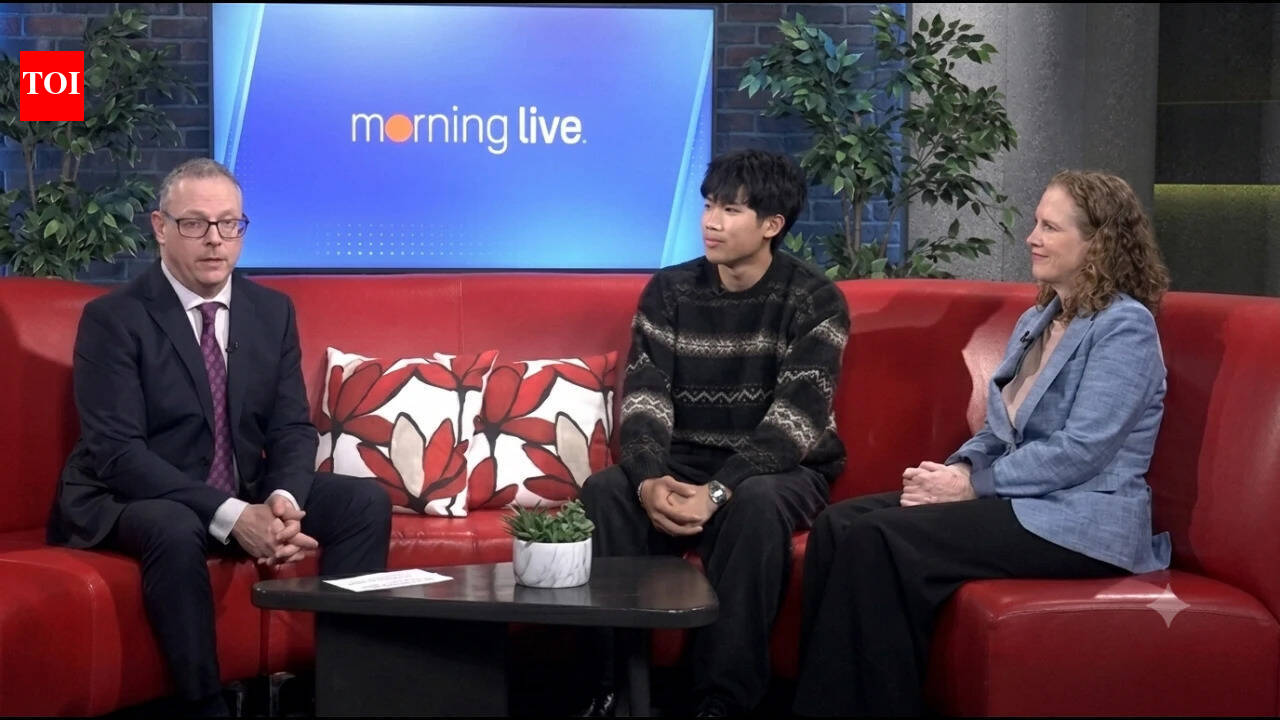
Jay Hung, 13, became a young caregiver (center)Screenshot from CHCH News A childhood that changed overnight The hidden responsibilities of young carers representative image Turning
Jay Hung, 13, became a young caregiver (center)Screenshot from CHCH News A childhood that changed overnight The hidden responsibilities of young carers representative image Turning personal experience into support Support that extends beyond campus Building a culture of recognition A message for young people carrying too much When most teenagers are focused on school, friendships and weekend plans, Jay Hung was learning how to care for his mother. At just 13, the Queen’s University student became a young caregiver after his mother was diagnosed with late-stage cancer. Years later, Hung is using that experience to help other young Canadians feel less isolated and more prepared for a role they often take on without warning.In an interview with CHCH’s Morning Live, Hung spoke about his caregiving journey alongside Amy Coupal of the Ontario Caregiver Organization. The segment highlighted a largely unseen reality: an estimated 1.2 million young people in Canada provide care for a family member while also trying to keep up with school, social life and their own emotional needs.Hung’s story shows why young caregivers need more than occasional advice. They need peers who understand the complicated mix of love, fear, responsibility and exhaustion that comes with supporting someone who is ill.Hung became a caregiver in 2019, when his mother was diagnosed with late-stage cancer. At the time, he was only 13.For many young people, a parent’s serious illness can make home life feel unfamiliar almost immediately.Everyday routines may change, hospital visits may become frequent, and children can find themselves helping with practical tasks while trying to understand frightening medical information.They may also provide emotional support by keeping a loved one company, offering encouragement or simply trying to make difficult days feel more manageable. Even when a young person is not responsible for every aspect of physical care, the emotional weight can be substantial.Hung has described the experience as one marked by isolation and loneliness.
He did not always have peers who understood what he was going through, and he often lacked the language to explain his role. A teenager may know that they are helping a parent, but may not yet recognize themselves as a “caregiver.”That lack of recognition can make it difficult to ask for support. Young carers may worry that friends will not understand, teachers will see them as unreliable, or relatives will assume they are coping better than they really are.Young caregivers support family members in many different ways. Some help with personal care, meals, medication reminders, transportation or household chores. Others assist with communication, appointments and paperwork, or provide companionship and emotional reassurance.The Alzheimer Society of Canada defines young caregivers as people under 30 who provide care for a family member, friend or neighbour. The person receiving care may be living with cancer, dementia, a disability, a chronic illness, a mental-health condition or another serious challenge.For a teenager, these responsibilities can overlap with schoolwork, exams, extracurricular activities and the pressure to plan for the future. The result is often a double life: one identity at school and another at home.A young caregiver might attend class after spending the morning helping a parent get ready, or complete an assignment while worrying about a medical appointment. They may appear to be managing normally while privately feeling tired, anxious or guilty for wanting time away from home.The role can also be emotionally complicated. Young people may feel deep love and pride in helping their families, while also experiencing frustration, sadness or resentment. These feelings do not mean they care any less. They reflect the reality of carrying responsibilities that many people their age have never had to consider.Rather than keeping his experience private, Hung began looking for ways to create the support system he wished he had found earlier.At Queen’s University, he became involved in efforts to make young caregiving more visible.
 The BriefWire