Turkey Has Fought Kurdish Rebels For Over 40 Years. Why Does It Want Peace Now?
News world Turkey Has Fought Kurdish Rebels For Over 40 Years. Why Does It Want Peace Now? Turkey Has Fought Kurdish Rebels For Over 40
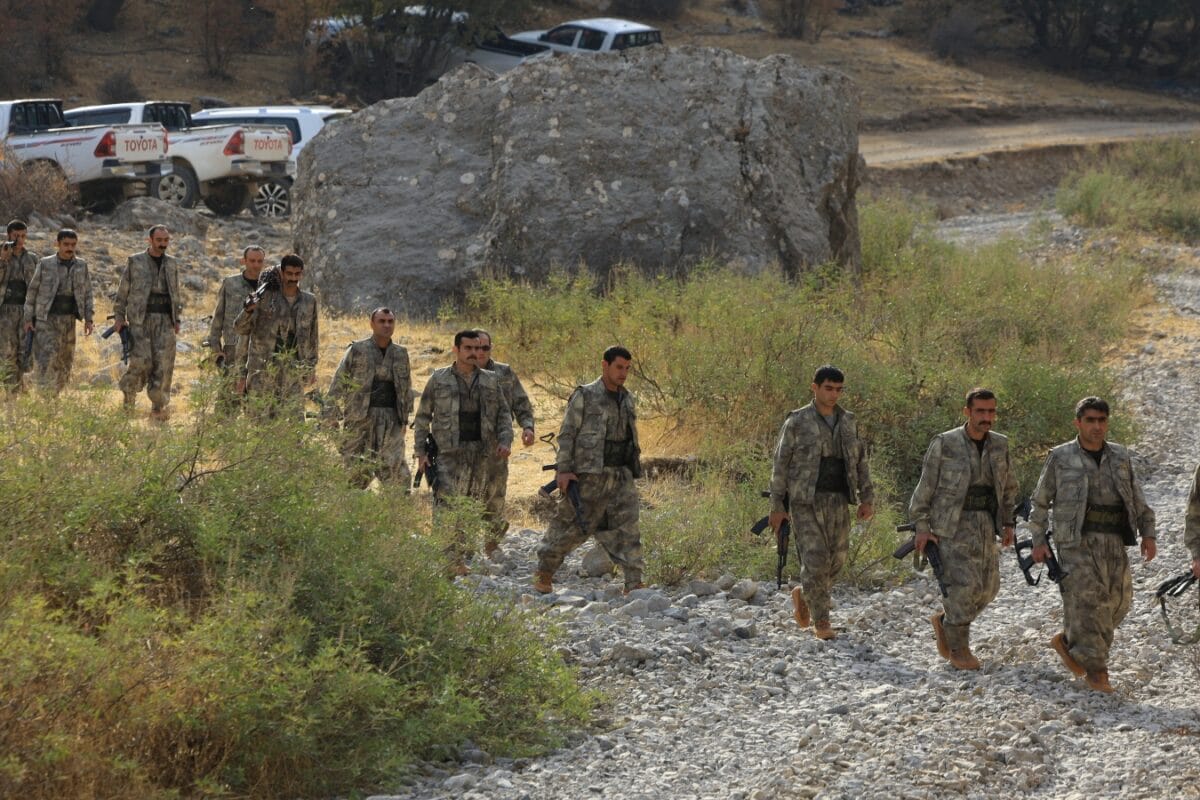
News world Turkey Has Fought Kurdish Rebels For Over 40 Years. Why Does It Want Peace Now? Turkey Has Fought Kurdish Rebels For Over 40 Years. Why Does It Want Peace Now? Published By, Last Updated: August 10, 2026, 17:02 IST The PKK has waged an insurgency against the Turkish state since 1984. Now, Ankara is pursuing a process to end one of the region’s longest-running conflicts. Rapid Read Fighters with the Kurdistan Workers' Party walk for a disarmament ceremony marking a significant step toward ending the decades-long conflict between Turkey and the outlawed group. (REUTERS/File) Turkey’s parliament is set to debate a draft law that could offer a conditional amnesty-like mechanism to thousands of Kurdish militants, as Ankara pushes ahead with its latest attempt to end more than four decades of conflict with the Kurdistan Workers’ Party, or PKK. The 12-article bill, titled “Strengthening Solidarity and Social Integration", would provide protection from prosecution to some former militants and suspend prison sentences for others. The move follows a major shift by the PKK itself. Last year, the group announced that it was ending its armed campaign and would disarm and disband in response to a call from its imprisoned leader, Abdullah Öcalan. It later staged a symbolic disarmament ceremony in northern Iraq and said it was withdrawing fighters from key locations in Turkey to Iraq. Turkey has tried to reach peace with the PKK before, most recently in a process that collapsed in 2015. So why is Ankara pushing again now? What Is The Turkey-PKK Conflict About? Kurds are an ethnic group with large populations spread across Turkey, Iraq, Syria and Iran. In Turkey, tensions over Kurdish identity, political representation and cultural rights predate the PKK itself. After the establishment of the Turkish Republic, the state adopted a centralised nation-state model that marginalised ethnic minorities, including Kurds. These policies fuelled Kurdish resistance and several uprisings during the 20th century. It was against this backdrop that Abdullah Öcalan founded the Kurdistan Workers’ Party, or PKK, in 1978. Six years later, the group launched an armed insurgency against the Turkish state. It initially fought for an independent Kurdish state but later moved away from separatism towards demands for greater autonomy and expanded Kurdish rights within Turkey.
The resulting conflict has continued, with periods of varying intensity and failed attempts at peace, for more than four decades. More than 40,000 people have been killed since 1984. According to the London-based Campaign Against Arms Trade, the dead include Turkish military and security personnel, PKK fighters and Kurdish and Turkish civilians. The violence also caused large-scale displacement. The International Crisis Group and Amnesty International have reported that between 350,000 and 1 million people were internally displaced, particularly during village evacuations in southeastern Turkey in the 1990s and urban fighting in 2015 and 2016. Turkey considers the PKK a terrorist organisation, as do the United States and the European Union. Why Is Erdoğan Pushing For Peace Now? One factor is domestic politics. Kadir Yildirim, a non-resident fellow at Rice University’s Baker Institute for Public Policy, in his article, The New Peace Initiative and Kurdish Perspective, has argued that President Recep Tayyip Erdoğan’s AK Party and its coalition partner, the Nationalist Movement Party, or MHP, are seeking Kurdish political backing. According to Yildirim, support from the pro-Kurdish DEM Party could help Erdoğan’s political camp secure parliamentary backing for constitutional amendments or other electoral pathways that could allow him to seek another presidential term. The political coalition behind the current bill is therefore notable. According to Reuters, Erdoğan’s AK Party, the MHP and the DEM Party have backed the “national solidarity and social integration" bill. Turkey’s main opposition has also voiced support. That is a marked change from the previous peace effort. During the 2013-2015 process, the MHP fiercely opposed negotiations with the PKK. Today, it is part of Erdoğan’s governing coalition and supports the initiative. The Economic Cost Of The Conflict The cost of the insurgency is another reason Ankara has an incentive to pursue a settlement. Decades of counter-insurgency operations, defence spending and instability in southeastern Anatolia have cost the Turkish economy billions of dollars. According to a report by ETH Zurich, ending the conflict could ease some of the economic burden on Turkey. A settlement could also address some of the consequences endured by Kurdish civilians. Yildirim has noted that many Kurdish communities have borne the cost of military conflict, displacement and economic neglect in southeastern Turkey.
 The BriefWire