Uttar Pradesh tops India in e-NAM registrations as Digital Mandi network expands
The Electronic Agriculture Market (e-NAM), the Centre's flagship online agricultural trading platform, continues to expand across India, with Uttar Pradesh emerging as the state with
The Electronic Agriculture Market (e-NAM), the Centre's flagship online agricultural trading platform, continues to expand across India, with Uttar Pradesh emerging as the state with the highest number of registered farmers on the portal. The platform aims to digitally integrate wholesale agricultural markets while improving transparency, price discovery and market access for farmers. Launched by the Government of India on April 14, 2016, e-NAM is a pan-India electronic trading platform that connects Agricultural Produce Market Committee (APMC) mandis through a common digital network. Read Full Story Rather than replacing physical mandis, the platform enables participating markets to conduct online trading, transparent bidding, quality assaying, electronic payments and inter-state trade.
WHY e-NAM IS IMPORTANT? As of June 30, 2025, a total of 1,522 mandis across 27 states and Union Territories had been integrated with e-NAM. The platform had over 1.79 crore registered farmers and 2.67 lakh registered traders, reflecting its expanding reach across the country's agricultural markets. Uttar Pradesh has emerged as the leading state in farmer participation. By June 30, 2025, 33.05 lakh farmers from the state had registered on the platform, the highest among all states. Through e-NAM, farmers in participating mandis gain access to online bidding, market information, electronic payments and a wider network of buyers.
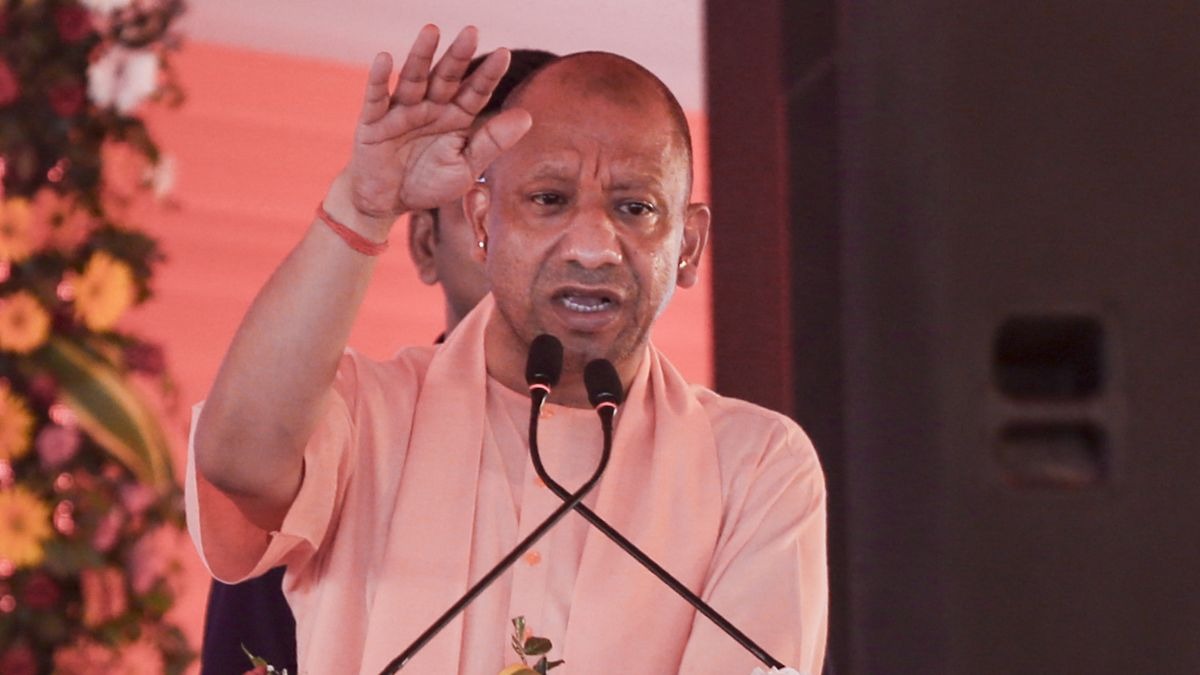
The Uttar Pradesh government has also stepped up efforts to strengthen agricultural marketing infrastructure. During the 172nd Board meeting of the Uttar Pradesh State Agricultural Produce Market Council (Mandi Parishad) held on July 31, 2026, under the chairmanship of Chief Minister Yogi Adityanath, a budget of Rs 3,025.49 crore for the 2026-27 financial year was approved. According to reports, the meeting emphasised expanding e-NAM coverage to more mandis while improving basic infrastructure such as drinking water, sanitation and lighting in market premises. The government also proposed promoting agricultural processing units through the public-private partnership (PPP) model, strengthening procurement arrangements for pulses and oilseeds, and encouraging greater participation in natural farming initiatives.
WHAT FARMERS NEED TO KNOW? While e-NAM is designed to improve transparency and provide farmers with access to a broader marketplace, it does not guarantee higher prices. The returns farmers receive continue to depend on factors such as commodity quality, demand and supply, location, market participation and the prevailing bidding process. As Uttar Pradesh expands both digital integration and physical mandi infrastructure, e-NAM is expected to remain a key component of the state's agricultural marketing system. Ends
 The BriefWire