He stays in pond for hours, as coming out burns his skin. What is Aquagenic Pruritus?
For most people, getting out of a pond after a swim means reaching for a towel. But for a 16-year-old boy from Murshidabad, West Bengal
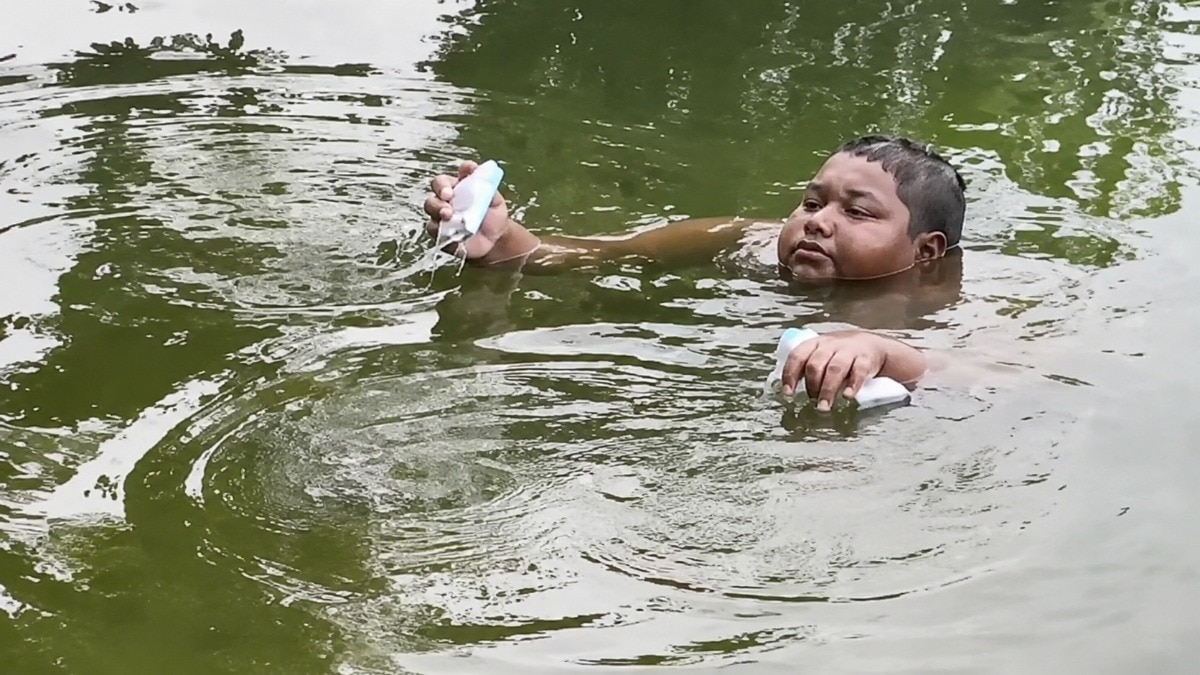
For most people, getting out of a pond after a swim means reaching for a towel. But for a 16-year-old boy from Murshidabad, West Bengal, stepping out of the water reportedly brings intense burning and discomfort across his body. The 16-year-old, Iqbal, from Murshidabad has reportedly been spending prolonged periods in a pond because remaining in the water appears to offer relief, while coming out triggers severe discomfort. Read Full Story While the exact cause of his symptoms cannot be confirmed without a medical evaluation, his experience has drawn attention to a rare condition known as aquagenic pruritus. The unusual disorder can cause intense itching, prickling, stinging or burning after contact with water. What makes it particularly difficult to recognise is that the skin may appear completely normal despite the severity of the symptoms. Aquagenic pruritus is a rare dermatological condition recognised in medical literature and international clinical databases, but it is not included in India’s official notified rare-disease list. WHAT IS AQUAGENIC PRURITUS? Aquagenic pruritus is an uncommon condition in which contact with water triggers intense itching or abnormal sensations such as prickling, stinging or burning. The symptoms can occur after bathing, swimming, sweating or even coming into contact with rain. Importantly, the reaction does not necessarily come with a visible rash.
Dr Kritika Sharma, a Pune-based dermatologist, said, “The most confusing part about aquagenic pruritus is that the patient can be experiencing very intense discomfort even when the skin looks completely normal,” Unlike an ordinary skin allergy, the problem is not necessarily caused by something present in the water. WHY DOES THE SKIN BURN? Doctors do not yet have a complete explanation for why aquagenic pruritus occurs. One theory is that water exposure triggers an abnormal response involving the nerves or other processes in the skin, leading to the sensation of itching, prickling or burning. The symptoms can occur with different types and temperatures of water. This means that simply switching from cold to hot water may not necessarily solve the problem. Dr Sharma explained, “In aquagenic pruritus, the sensation can be generated after water comes into contact with the skin without the typical signs we associate with an allergic reaction.” HOW RARE IS AQUAGENIC PRURITUS? Aquagenic pruritus is considered uncommon. In severe cases, however, the condition can interfere with everyday activities, particularly bathing, swimming and exercise. The absence of a visible rash can make the condition even more difficult to identify. A person may have intense itching or burning while the skin looks completely healthy. CAN IT BE LINKED TO ANOTHER DISEASE? This is one reason persistent water-triggered itching should not simply be dismissed as dry skin.
 The BriefWire