Western Europe records hottest June and July on record
Drought is gripping large parts of Europe, with soils unusually dry and major rivers running low. A strengthening El Nino could push global temperatures even
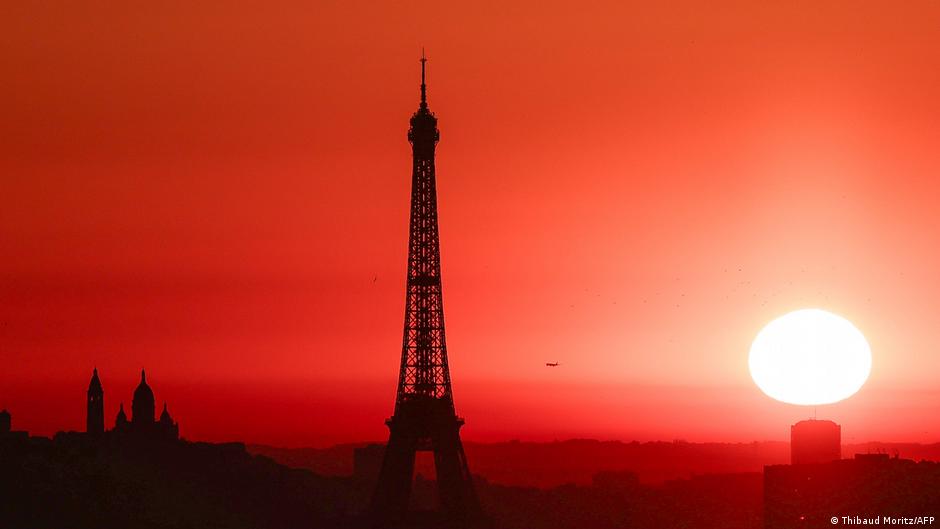
Drought is gripping large parts of Europe, with soils unusually dry and major rivers running low. A strengthening El Nino could push global temperatures even higher later this year. Western Europe experienced its hottest June and July on record, according to data released Monday by the EU's Copernicus Climate Change Service. The average temperature across the region for the two-month period reached 21.62 degrees Celsius (70.92 Fahrenheit), breaking the previous record set in 2022. Copernicus said the figure reflected the "exceptional persistence of heat" in western Europe, where four heatwaveshave occurred since May. The extreme temperatures have contributed to prolonged drought, major wildfires and new national temperature records across the region, as well as thousands of projected heat-related deaths. Firefighters battle a wildfire in southwestern France amid hot and dry conditions across the region [FILE: July 28, 2026] Image: Emma Da Silva/AP Photo/dpa/picture alliance Europe is the fastest-warming continent in the world, though temperatures varied considerably, with eastern Europe and Scandinavia experiencing much cooler conditions. For Europe as a whole, July was only the 11th warmest on record, with an average temperature of 20.49 degrees Celsius (68.88 Fahrenheit). How are heat and drought affecting Western Europe? Conditions were drier than average across large parts of Europe in July, including Spain and other areas of the Iberian Peninsula, France, Germany, Austria, Hungary and the United Kingdom.
Ireland and parts of Iceland also experienced unusually dry conditions. Soil moisture in western Europe was significantly lower than in July 2022, when the region last experienced a severe drought. Hungary's third-largest lake is running dry To view this video please enable JavaScript, and consider upgrading to a web browser that supports HTML5 video "Persistent high-pressure systems trapped heat over western Europe, the extreme temperatures also amplified widespread drought," said Samantha Burgess, strategic lead for climate at the European Centre for Medium-Range Weather Forecasts, which operates Copernicus. "As soils dry out, they lose their ability to provide natural cooling, allowing heat to build more readily," she added. "This is a clear example of how climate change is intensifying heat extremes, with heat and drought increasingly reinforcing one another." River flows were also unusually low, with the Seine, Rhine and Danube among the hardest-hit waterways. Low water levels have disrupted transport, irrigation and energy production in several European countries. The dried-up Danube riverbed in front of the Paks nuclear power plant in southern Hungary [FILE: July 31, 2026] Image: Attila Kisbenedek/AFP The hot and dry conditions have also increased the risk of wildfires. France and Spain have battled particularly severe fires this summer, while serious blazes have also hit other parts of Europe, the northwestern United States and Canada.
 The BriefWire