Why nine million were removed from a landmark Indian cash scheme for women
Until two years ago, Nirmala Bawaskar had no bank account of her own. A widow who works as a housemaid in Maharashtra's Sambhajinagar district, she
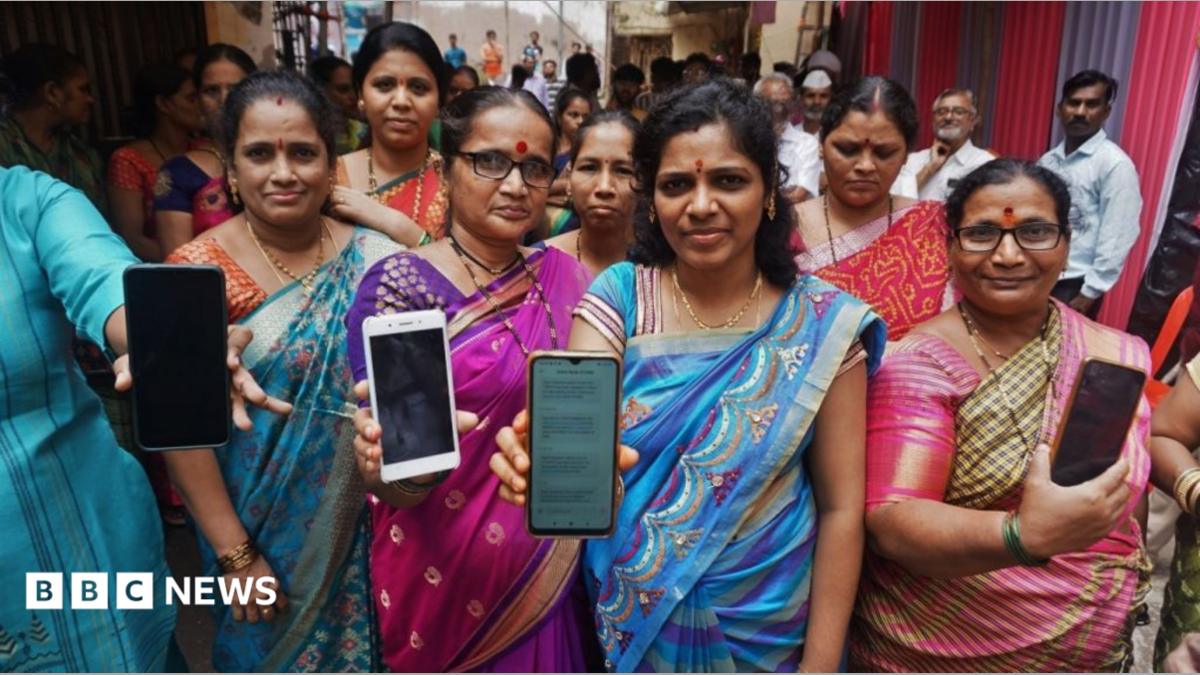
Until two years ago, Nirmala Bawaskar had no bank account of her own. A widow who works as a housemaid in Maharashtra's Sambhajinagar district, she signed documents with a thumbprint and had little control over money entering her household. That changed when she enrolled in the Mukhyamantri Majhi Ladki Bahin Yojana, one of India's biggest state cash-transfer schemes. Launched just months before the state's closely fought election in 2024, it pays eligible women 1,500 rupees ($17; £13) a month and became both a financial lifeline for millions and one of the state's most potent political symbols.
For Bawaskar, the modest monthly payment meant her first bank account and money she could call her own. "Though it is a small amount, it really helped us, especially with medical expenses," she says. "I was so motivated by it that I even learned how to write." Bawaskar is one of more than 26 million women enrolled in the scheme, which is now under scrutiny over its implementation. Last month, India's national auditor said Maharashtra's Women and Child Development Department overspent its authorised budget by 35.41bn rupees, spending a total of 332.37bn rupees on Ladki Bahin in its first financial year.
Separately, a government verification drive removed more than nine million beneficiaries – mostly for failing to complete mandatory identity checks, while others were found to be ineligible. The Maharashtra government has not responded publicly to the audit. Women and Child Development Minister Aditi Tatkare's office told the BBC that a verification drive and recovery of ineligible payments were continuing but did not address the auditor's findings. When Maharashtra launched Ladki Bahin in June 2024, it said the monthly payments would boost women's financial independence and help families meet their everyday expenses.
The scheme covered eligible women aged 21 to 65 from lower-income households, excluding income-tax payers, government employees and families already receiving similar welfare benefits.
 The BriefWire