Trump’s Iran Nuclear Drama, Explained: From 2015 Deal To Strait Of Hormuz Reopening
News world Trump’s Iran Nuclear Drama, Explained: From 2015 Deal To Strait Of Hormuz Reopening Trump’s Iran Nuclear Drama, Explained: From 2015 Deal To Strait
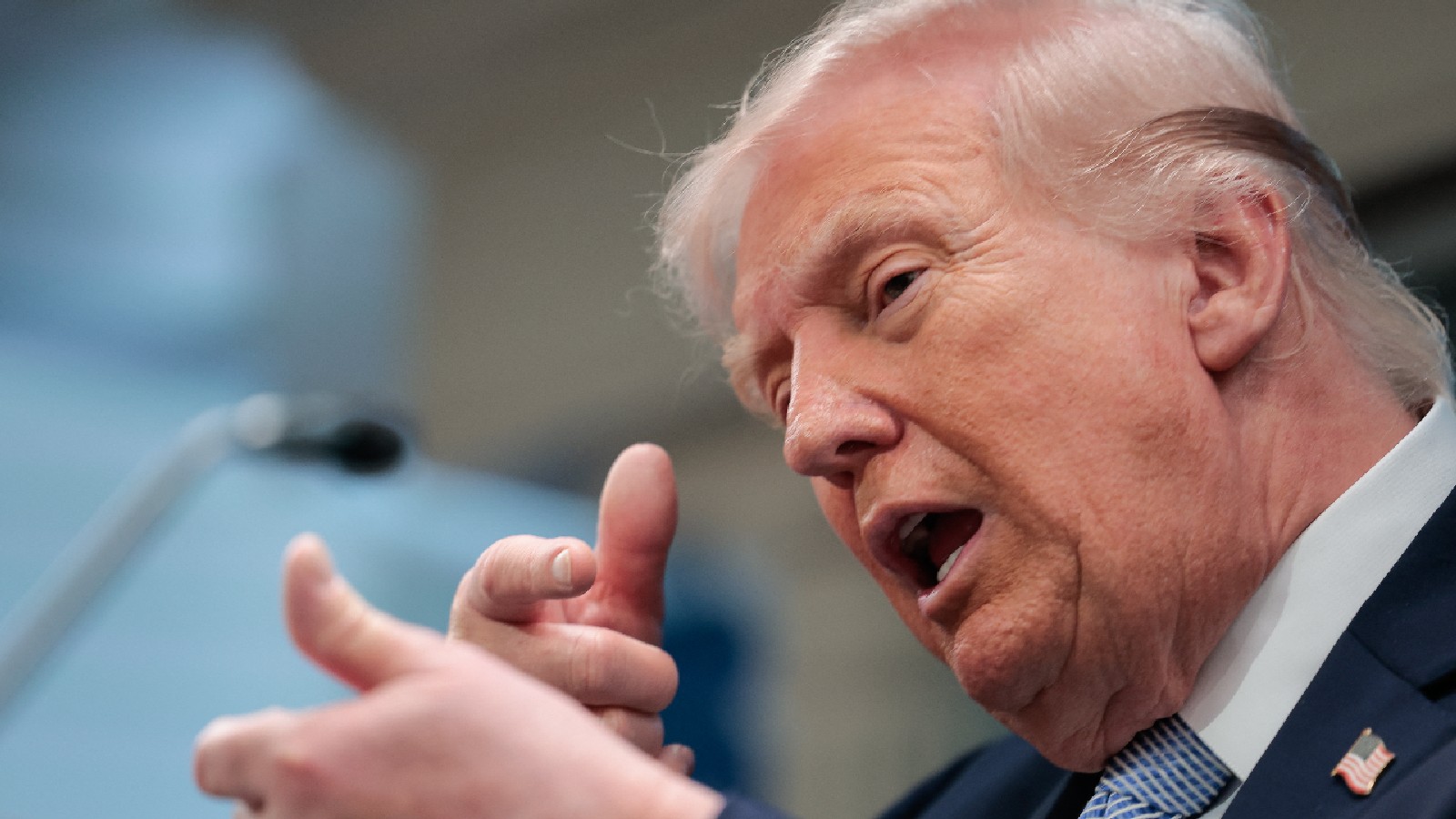
News world Trump’s Iran Nuclear Drama, Explained: From 2015 Deal To Strait Of Hormuz Reopening Trump’s Iran Nuclear Drama, Explained: From 2015 Deal To Strait Of Hormuz Reopening Published By, Last Updated: August 10, 2026, 07:46 IST How did the US and Iran get here? And what does the Strait of Hormuz have to do with Iran’s nuclear programme? Here’s the story explained. US President Donald Trump (IMAGE: AFP/FILE) US President Donald Trump’s Iran policy has come full circle- from walking away from the 2015 nuclear deal to pushing Tehran for a new agreement and now potentially considering an end to the military confrontation even without securing a fresh nuclear pact. The latest twist involves the Strait of Hormuz, the crucial waterway through which a major share of global oil and gas shipments passes, as Wall Street Journal reported that Trump privately indicated that he could walk away from the pursuit of a new nuclear agreement if Iran fully reopens the Strait and allows commercial shipping to resume. But how did the US and Iran get here? And what does the Strait of Hormuz have to do with Iran’s nuclear programme?
Here’s the story explained. Read more: Trump Open To Walking Back On Nuclear Deal Demand If Iran Reopens Strait Of Hormuz: Report What Was 2015 Iran Nuclear Deal? The agreement was formally called the Joint Comprehensive Plan of Action, or JCPOA. It was reached in July 2015 between Iran and the P5+1- the US, UK, France, Germany, Russia and China- with the European Union also involved. The basic bargain was that Iran would accept significant restrictions on its nuclear programme and much more extensive international monitoring in exchange for sanctions relief. The agreement placed limits on Iran’s uranium enrichment, its stockpile of enriched uranium and aspects of its nuclear infrastructure. Under the deal, Iran’s enrichment level was capped at 3.67% and its enriched-uranium stockpile was limited to 300 kg. The IAEA was given an expanded role in monitoring Iran’s compliance. Why Did Trump Leave 2015 Iran Nuclear Deal? On May 8, 2018, Trump announced that the United States would withdraw from the JCPOA and reimpose sanctions on Iran. Trump argued that the agreement was fundamentally flawed and did not adequately address Iran’s nuclear programme, ballistic-missile activities or regional behaviour.
The Trump administration then pursued a “maximum pressure" strategy, restoring extensive US sanctions against Iran. Iran subsequently moved away from several of the nuclear restrictions it had accepted under the JCPOA. What Happened To Iran’s Nuclear Programme Then? After the US withdrawal and the return of sanctions, Iran gradually expanded nuclear activities that had been restricted under the JCPOA which then became one of the central concerns for the US and its allies. Iran has consistently maintained that its nuclear programme is peaceful and that it has the right to pursue civilian nuclear activities under the Nuclear Non-Proliferation Treaty. Why Does Trump Want A New Nuclear Deal? Trump’s position has remained that Iran must not be allowed to obtain a nuclear weapon. The current administration described its objective as preventing Iran from having a nuclear weapon and has again pursued maximum pressure on Tehran. The Strait of Hormuz has a lot to do with the new agreement as the strategically critical waterway connecting the Persian Gulf with the Gulf of Oman and the Arabian Sea is one of the world’s most important energy chokepoints.
 The BriefWire