India Gifts 5 Peacocks To UN 45 Years After Indira Gandhi Last Sent Them: Here's Why
News explainers India Gifts 5 Peacocks To UN 45 Years After Indira Gandhi Did: Here's Why India Gifts 5 Peacocks To UN 45 Years After
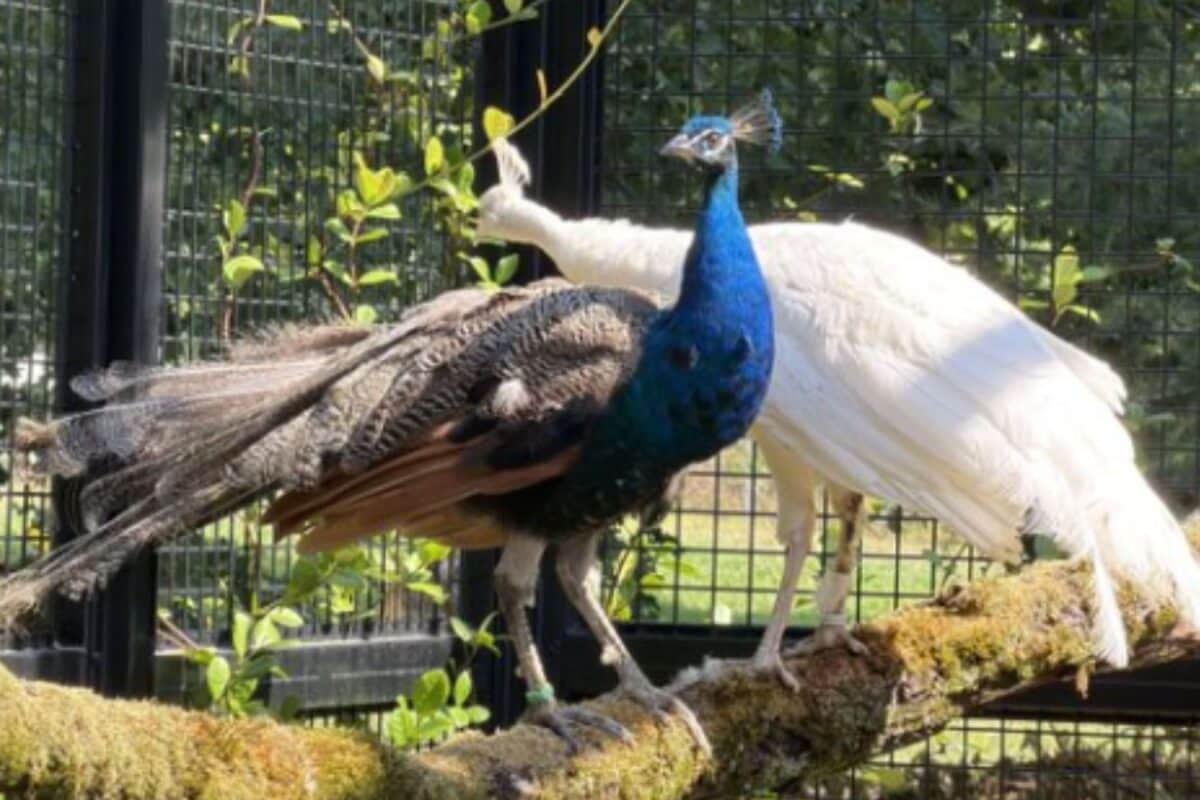
News explainers India Gifts 5 Peacocks To UN 45 Years After Indira Gandhi Did: Here's Why India Gifts 5 Peacocks To UN 45 Years After Indira Gandhi Did: Here's Why Written By, Last Updated: August 09, 2026, 19:58 IST The four blue and one rare white male birds visually mirror the official blue and white colors of the United Nations while highlighting India's natural heritage Rapid Read The peacocks. (Instagram) India has gifted five peacocks — four blue and one rare white — to the United Nations Office at Geneva to replenish a dwindling local population and honour a historic 19th-century estate condition requiring free-roaming peafowl in Ariana Park, and revive a diplomatic tradition last exercised by Prime Minister Indira Gandhi 45 years prior in 1981. Why? News18 explains. The gift The local peafowl population on the grounds of the Palace of Nations had dropped to just a single surviving bird, risking the estate’s long-standing tradition.
When the 19th-century Ariana Park land was originally bequeathed, a binding legal or historic requirement specified that peacocks must always roam freely on the property. It continues a custom established 45 years earlier in 1981, when then-Prime Minister Indira Gandhi sent a breeding pair from the Delhi Zoo. The four blue and one rare white male birds visually mirror the official blue and white colors of the United Nations while highlighting India’s natural heritage as the home of the national bird (Pavo cristatus). The handover by India’s Permanent Representative, Ambassador Arindam Bagchi, to UN Geneva Director-General Tatiana Valovaya underscored India’s enduring partnership and commitment to international cooperation. 🦚🇮🇳 A vibrant symbol of India's commitment to multilateralism! 🦚🇮🇳Adding to @UNGeneva's biodiversity, PR @abagchimea, on behalf of 🇮🇳, presented five Indian Peacocks 🦚 (Pavo cristatus), the Bird of India, in UN colours to DG @UN_Valovaya. The symbolic gift… pic.twitter.com/B7GG100kGp — India at UN, Geneva (@IndiaUNGeneva) August 7, 2026 Why the 45-year gap?
The 45-year gap between India’s gifts of peacocks to the United Nations in Geneva was not due to a political dispute or diplomatic neglect, but rather because the birds simply did not need to be replaced until now. The timeline explains why the pause lasted from 1981 to 2026 When Gandhi gifted a breeding pair from the Delhi Zoo in 1981, they successfully integrated into the estate. Because peafowl can live for 15 to 20 years in the wild, and sometimes longer in protected areas, that original pair and their offspring sustained the park’s population for decades. Over the last 45 years, the descendants of the 1981 pair gradually aged and died off due to natural lifespans, predators, or environmental changes. India only stepped back in when the population finally hit a critical emergency—dwindling down to a single surviving lone peacock roaming the massive Palace of Nations grounds. Because the historic mandate of Ariana Park legally requires free-roaming peacocks on the property, the UN reached out to revive the tradition.
 The BriefWire