Air India Phuket-Delhi Pilot May Have Failed Dope Test: What Is It And How Are Pilots Tested?
News india Air India Phuket-Delhi Pilot May Have Failed Dope Test: What Is It And How Are Pilots Tested? Air India Phuket-Delhi Pilot May Have
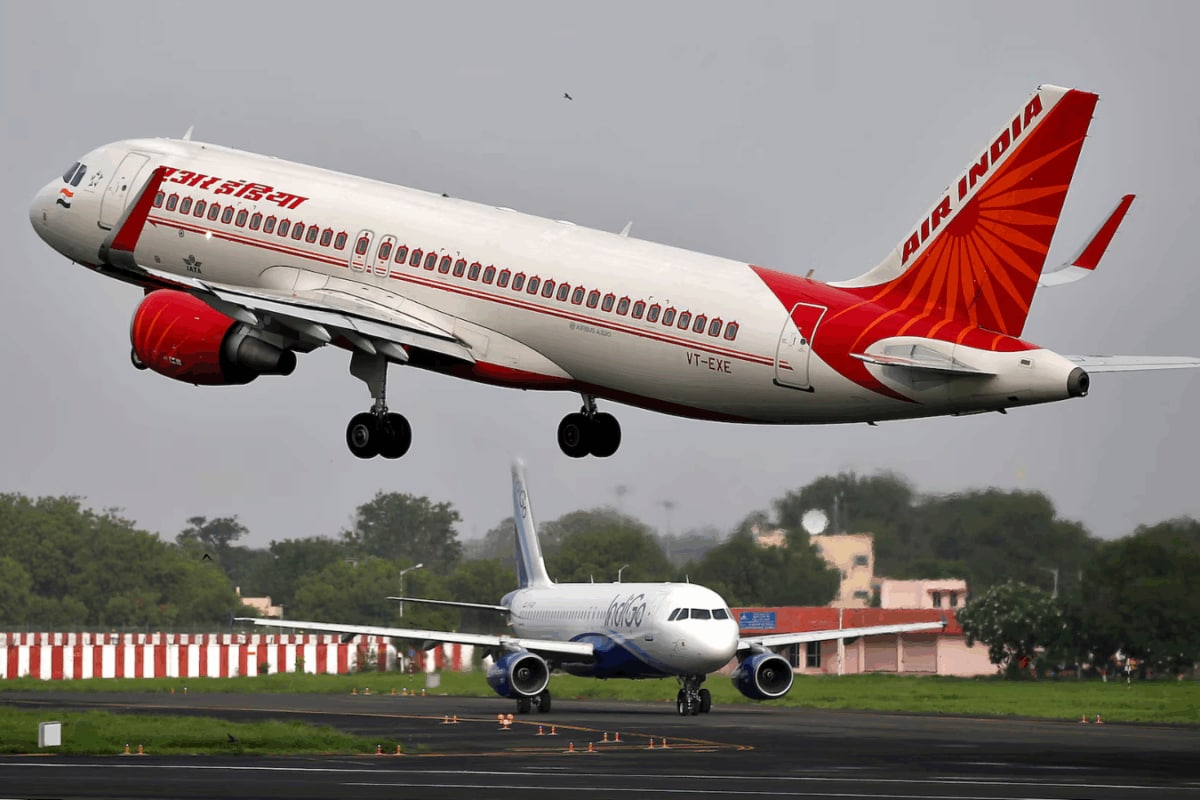
News india Air India Phuket-Delhi Pilot May Have Failed Dope Test: What Is It And How Are Pilots Tested? Air India Phuket-Delhi Pilot May Have Failed Dope Test: What Is It And How Are Pilots Tested? Published By, Last Updated: August 09, 2026, 13:03 IST Air India’s Phuket-Delhi pilot reportedly failed a dope test after turbulence injured 17 people, raising questions over drug screening rules. Air India pilot may have failed dope test The captain operating Air India’s Phuket-Delhi flight, which encountered turbulence and suddenly lost around 300 feet in altitude on August 4, has reportedly tested positive for psychoactive substances in a post-flight dope test, The Times of India reported, citing multiple sources. The reported test was conducted after the aircraft landed in Delhi. However, Air India has neither confirmed nor denied the reported positive result. The airline said a post-flight screening test was conducted, but its results have not been shared with Air India. The flight incident left 17 people injured in turbulence, raising questions over what caused the aircraft to drop sharply and whether pilot intoxication or mishandling of the turbulence played any role. What is a ‘dope test’ for pilots? In aviation, a dope test is a screening process for psychoactive substances and is not simply an alcohol test. It is intended to identify substances that could affect a pilot’s alertness, judgement, coordination or ability to safely operate an aircraft.
Under the Directorate General of Civil Aviation (DGCA) framework, testing can cover substances including cannabis or marijuana, cocaine, amphetamine-type stimulants, opioids and opiate metabolites, barbiturates and benzodiazepines. Beyond the initial urine test, pilots may also need to undergo a secondary urine test and a blood test, if required, for psychoactive substances. How are pilots tested in India? Testing can be random or triggered by an accident or serious incident. It can also be required during initial employment or as follow-up after a confirmed positive result. Airlines and aviation authorities are expected to randomly test at least 10% of relevant flight crew and air traffic control personnel each year. The pilot provides a urine sample, which is initially screened for specified psychoactive substances. However, a preliminary positive does not automatically establish a final positive result. The sample must undergo confirmatory laboratory testing before regulatory action is taken. A medical review officer then examines the confirmed result and considers whether it could have been caused by legitimate therapeutic medication or another innocuous source. Counselling, rehabilitation or referral to a de-addiction centre may follow. What happens after a positive test? A pilot may be temporarily removed from flying duties while the result and surrounding circumstances are investigated. A confirmed first positive generally requires rehabilitation and a subsequent negative test before the pilot can return to flying. Repeat positives can result in suspension or cancellation of the pilot’s licence.
 The BriefWire