Bidadi Township Row: Why Karnataka’s Big Urban Plan Has Run Into A Land Dispute
News india Bidadi Township Row: Why Karnataka’s Big Urban Plan Has Run Into A Land Dispute Bidadi Township Row: Why Karnataka’s Big Urban Plan Has
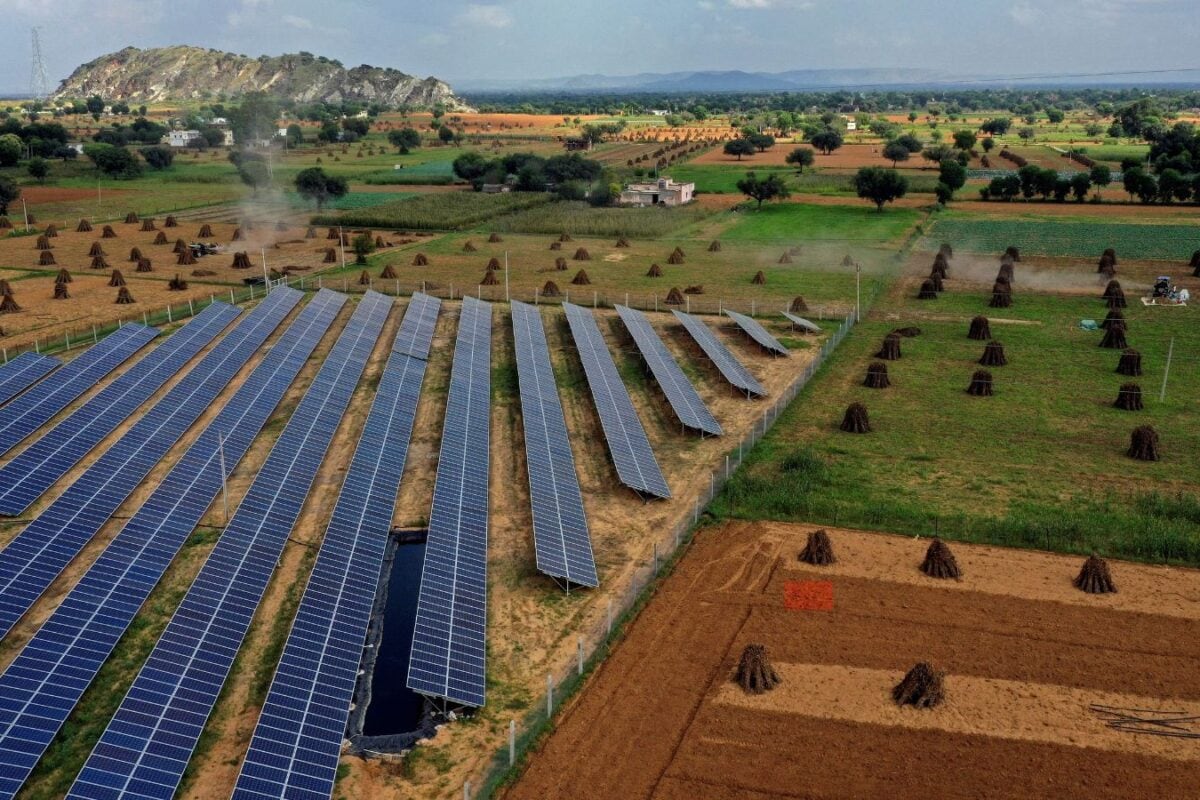
News india Bidadi Township Row: Why Karnataka’s Big Urban Plan Has Run Into A Land Dispute Bidadi Township Row: Why Karnataka’s Big Urban Plan Has Run Into A Land Dispute Published By, Last Updated: August 09, 2026, 10:34 IST Karnataka revives Rs 18,133 crore Bidadi township to ease Bengaluru’s strain, but large-scale land acquisition has triggered farmer protests over livelihoods and consent concerns. Rapid Read Bidadi Township project has courted controversy surrounding land acquisition. (Representational image, source: AFP) Bengaluru’s rapid urban expansion has put increasing pressure on its roads, housing, water supply and civic infrastructure and prompted the Karnataka government to revive the long-pending Greater Bidadi Integrated Township (GBIT) project. However, the project has now run into controversy over land acquisition and opposition BJP-JDS has also announced they will raise the issue among the people. Planned along the Bengaluru-Mysuru corridor, the project is being pitched as India’s first AI-powered integrated township and a second major urban centre for the region. Spread across 7,431 acres, the proposed township will include residential areas, industries, offices, schools, hospitals, parks and public infrastructure.
Around 2,000 acres have been earmarked specifically for artificial intelligence industries and related sectors, a New Indian Express report noted. The government says the project is designed to ease pressure on Bengaluru by creating a self-contained city where people can live and work. The Bidadi township was first proposed in 2006 as part of a plan to develop satellite towns around Bengaluru. A public-private partnership with DLF Ltd. was approved the following year, but the project stalled after the company withdrew and successive governments failed to take it forward. It was revived in 2023, and in 2025, the government moved ahead with land acquisition and announced a detailed plan. A Self-Sustaining Urban Alternative Unlike earlier satellite townships that depended heavily on Bengaluru for employment, GBIT is being planned as a self-sufficient urban centre. The aim is to reduce congestion, uneven growth, groundwater stress and flooding in the city through integrated planning of transport, utilities and civic infrastructure from the outset. Bidadi has been selected due to its proximity to Bengaluru, located about 35-40 km away, and its connectivity via the Bengaluru-Mysuru Expressway, railway network and NICE Road.
The presence of industrial activity and large contiguous land parcels has also made it a suitable location. Officials say the project is comparable in intent to Navi Mumbai, which was developed to ease pressure on an existing metropolis. However, unlike Amaravati, it is not being built as a capital city, and unlike Gujarat’s GIFT City, it is not focused on a single sector. The township is expected to cost around Rs 18,133 crore, with funding planned through a mix of HUDCO loans, bank guarantees, and contributions from the Bangalore Development Authority and other government sources. Authorities estimate it could generate between five to six lakh direct and indirect jobs. Why Has This Sparked Resistance? Despite the projected economic benefits, the project has triggered protests from farmers affected by land acquisition. The township spans nine villages and will impact around 5,704 farmers, with roughly 6,651 acres of privately owned land included in the plan. The government has offered compensation ranging from Rs 2.07 crore to Rs 2.55 crore per acre, along with annual rehabilitation payments, benefits for landless families, and provisions for education, employment and skill development.
 The BriefWire