US May Change H-1B 60-Day Grace Period: What It Means For Indian Workers
News world US May Change H-1B 60-Day Grace Period: What It Means For Indian Workers US May Change H-1B 60-Day Grace Period: What It Means
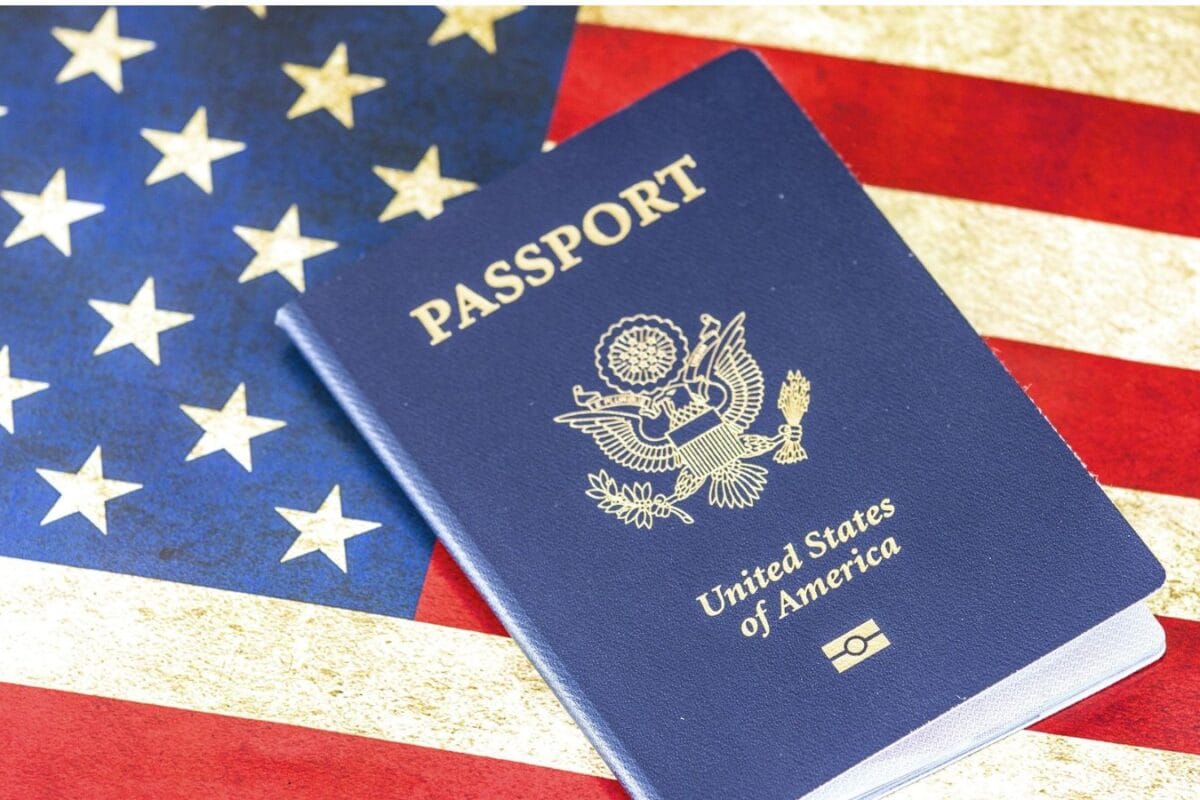
News world US May Change H-1B 60-Day Grace Period: What It Means For Indian Workers US May Change H-1B 60-Day Grace Period: What It Means For Indian Workers Published By, Last Updated: August 09, 2026, 07:08 IST US changing its visa rules for skilled-workers who are staying there under various schemes. The change, if implemented, would make their career progressions more difficult. Rapid Read US government is thinking over changing the H-1B visa rules to not allow workers to look for jobs, while staying in the US, after losing the one with which they came to America. (Image source: Pixabay) The United States is weighing a major change to its immigration rules that could impact thousands of foreign workers. The government is reviewing a proposal to scrap the existing 60-day grace period that allows workers to stay in the country after losing their jobs.
The proposal is under examination by the White House Office of Management and Budget (OMB). It has not yet been finalised, and the full details remain undisclosed. If implemented, the change would force affected workers and their families to leave the US almost immediately after job loss. At present, they get a limited window to make alternate arrangements. The move could significantly alter how skilled migrants navigate job transitions in the US. The proposal could hit the Indian community the hardest. Indian nationals make up the largest share of beneficiaries under the H-1B visa programme. In the 2024 fiscal year, they accounted for 71 per cent of all approved H-1B petitions, according to official data. Estimates based on US Census data show that over 5.2 million people of Indian origin live in the United States today. What The Current Rule Allows The 60-day grace period was introduced in 2017 to give flexibility to highly skilled foreign workers.
It helps those who suddenly lose their jobs but still hold valid immigration status. Under the rule, eligible workers can stay in the US for up to 60 consecutive days, or until their authorised stay ends, whichever comes earlier. This window gives them time to search for a new employer, file for a visa transfer, or explore other legal options to remain in the country. The rule applies to multiple visa categories. These include E-1, E-2, E-3, H-1B, H-1B1, L-1, O-1 and TN visas. Dependants of these workers also receive the same protection. What Could Change If the government removes this provision, workers will lose the ability to remain in the US after losing their job. They may no longer be able to switch employers or change their visa status from within the country. In such cases, only limited discretionary relief from US Citizenship and Immigration Services (USCIS) could offer any exception.
 The BriefWire