Australia is the planet's extinction hotspot, but one animal offers a glimmer of hope
"Eyes peeled," comes the order from the front passenger seat. Obediently, we scan the ends and tops of logs, looking between low scrub and patches
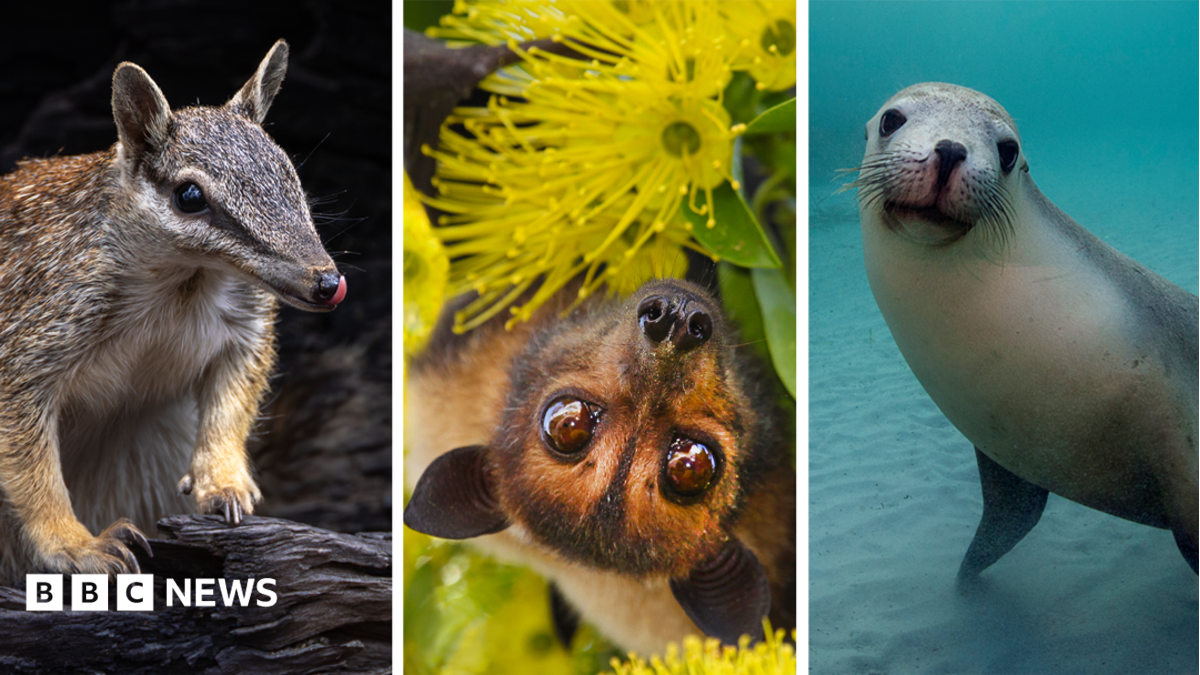
"Eyes peeled," comes the order from the front passenger seat. Obediently, we scan the ends and tops of logs, looking between low scrub and patches of vivid wildflowers for a flash of stripes or a dart of movement. Eluding us is the numbat, a rare Australian marsupial which could be the love-child of a chipmunk and an anteater.
Numbats were once populous across the bottom half of the continent, but Dryandra Woodland – in the south-western corner of Australia – is one of the few places they remain. As we slowly roll along bush tracks, researchers explain how this annual trip helps plot the species' survival. Classified as endangered until this month, numbats have been bouncing back.
This team's efforts have seen them scratched off the international red list of threatened species - a rare glimmer of hope in a country facing an extinction emergency. This part of Australia is the front line of that crisis: a last stand for many species driven to the brink by feral pests, disease, urban development, habitat destruction and climate change.
Winging over our car at one point is the endangered Carnaby's cockatoo. On an island just off the coast is one of the last surviving pockets of the world's rarest marsupial, the Gilbert's potoroo. Diving in the sapphire waters around it is the increasingly scarce Australian sea lion.
 The BriefWire