Explained: Bhopal Declaration adopted at BRICS culture ministers' meeting
The 11th BRICS Culture Ministers' Meeting on Saturday adopted the Bhopal Declaration, aimed at strengthening the institutional framework for cultural cooperation among BRICS nations, Union
The 11th BRICS Culture Ministers' Meeting on Saturday adopted the Bhopal Declaration, aimed at strengthening the institutional framework for cultural cooperation among BRICS nations, Union Culture and Tourism Minister Gajendra Singh Shekhawat said in Bhopal. He said the declaration provides a shared roadmap across a broad range of contemporary and traditional areas linked to culture and heritage. Shekhawat said the declaration identifies ‘provenance research’ relating to cultural property and its restitution as an area for greater cooperation, including exploring the use of AI-based tracing tools. He said another major focus is cooperation in cultural and creative industries and the creative economy, including exchange of methodologies, experiences and best practices, support for creators, networking, and wider market access through digital tools. Read Full Story Calling the adoption of the declaration ‘a key outcome’, Shekhawat told reporters: ‘It aims to strengthen the institutional framework for BRICS cultural cooperation and provide a shared roadmap covering a wide range of contemporary and traditional areas of culture and heritage.’ He said the declaration also includes provisions to enhance cooperation on UNESCO’s multinational nomination processes to strengthen a collaborative approach towards the recognition and preservation of shared and interconnected cultural heritage.
The preservation of traditional knowledge systems and traditional cultural expressions is another significant area covered in the declaration, he said. It also seeks to promote cooperation among museums, libraries and archives, which Shekhawat said would open up wide possibilities for institutional exchange and sharing expertise in preserving cultural and documentary resources. Shekhawat said the rights of creators also form part of the areas of cooperation. He added that the declaration addresses transparency and fair and equitable remuneration in the use of copyright-protected works in artificial intelligence systems. Under India’s presidency, he said, a structured process of consultation and deliberation was followed through three meetings of the BRICS Culture Working Group before the ministerial-level discussions in Bhopal. WHEN AND WHERE THE MEETINGS HAPPENED? The deliberations were guided by India’s BRICS theme, ‘Building for Resilience, Innovation, Cooperation, and Sustainability’.
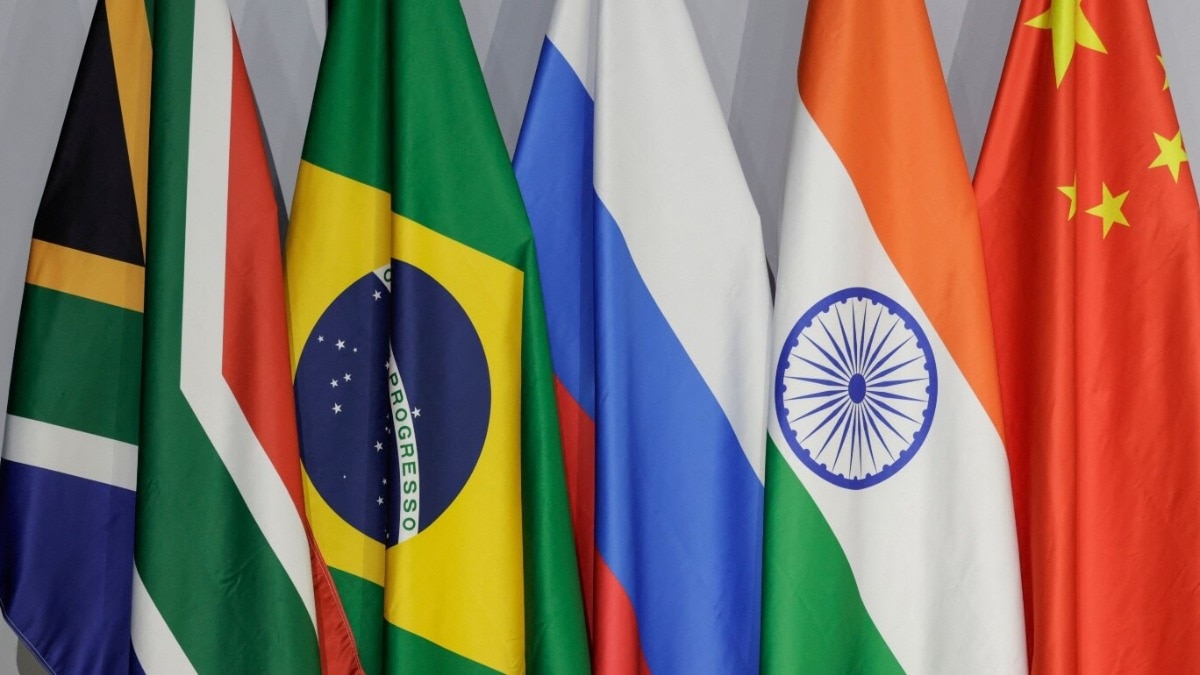
The first Culture Working Group meeting was held virtually on April 29-30, 2026, the second in Varanasi on June 4-5, and the third in Bhopal on August 5-6. Shekhawat said these discussions culminated in the 11th BRICS Culture Ministers’ Meeting held on Saturday. A total of 55 delegates from 14 countries took part in the ministerial-level meeting. The BRICS member nations in the culture track were Brazil, China, Egypt, Ethiopia, India, Indonesia, Iran, Russia, South Africa and the United Arab Emirates. Egypt participated online. The four participating partner countries were Belarus, Cuba, Kazakhstan and Thailand. Shekhawat said the participation of culture ministers from Indonesia, South Africa and the UAE reflected the high-level commitment of the participating nations to the BRICS culture track. Madhya Pradesh Chief Minister Mohan Yadav, Chief Secretary Ashok Barnwal, Union Culture Secretary Vivek Aggarwal and state culture secretary Sheo Shekhar Shukla were present on the occasion.
 The BriefWire