Went fishing, not spying: Families seek release of 178 Indian fishermen in Pakistan
As India and Pakistan prepare to celebrate their Independence Days next week, families of Indian fishermen lodged in Pakistani jails have appealed to both governments
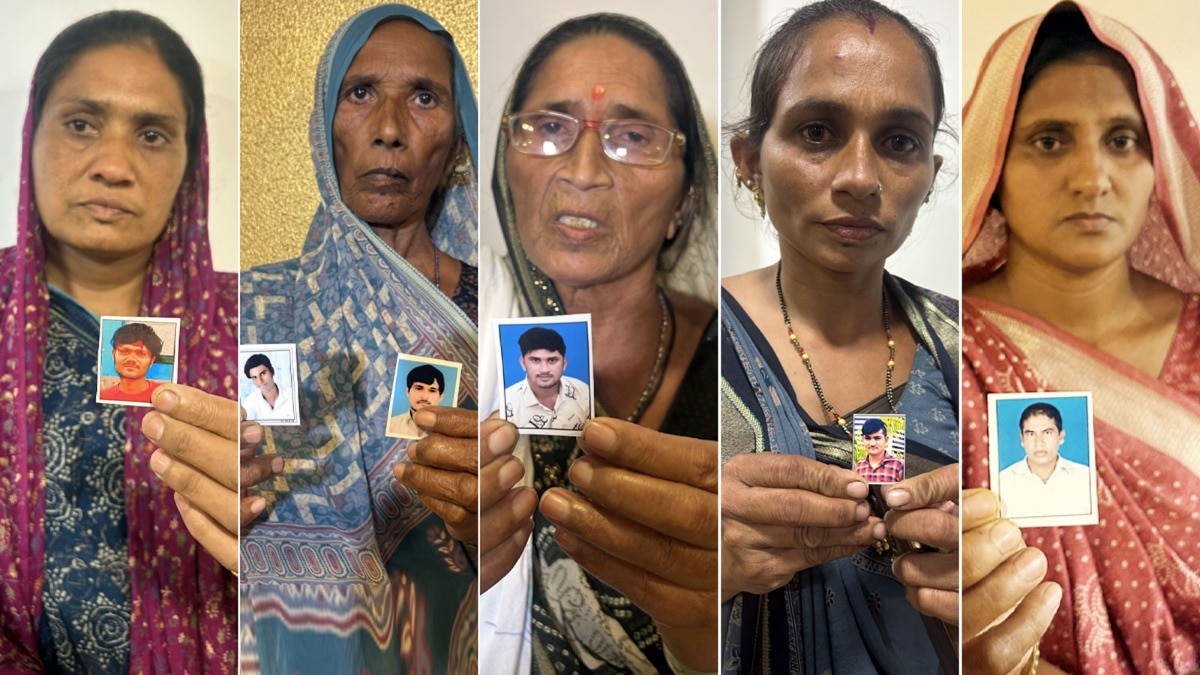
As India and Pakistan prepare to celebrate their Independence Days next week, families of Indian fishermen lodged in Pakistani jails have appealed to both governments to release imprisoned fishermen on humanitarian grounds, particularly those who have already completed their jail terms. Representatives of the Fishworkers Forum, Samast Machhimar Parivar, Pakistan-India People's Forum for Peace and Democracy, Pakistan Fisherfolk Forum, and relatives of imprisoned fishermen addressed a press conference in Ahmedabad on Friday, urging both countries to use the occasion of August 14 and 15 to free fishermen detained across the border. Read Full Story According to the organisations, 198 Indian fishermen are currently lodged in Pakistani prisons, while 54 Pakistani fishermen remain in Indian jails. Of the Indian prisoners, 178 have already completed their sentences but continue to remain incarcerated, allegedly in violation of the 2008 India-Pakistan Consular Access Agreement. The families said most of the fishermen had inadvertently crossed the maritime boundary while fishing and were neither involved in espionage nor any criminal activity.
They appealed to both governments to prioritise humanitarian concerns over diplomatic differences. 'THEY WENT FOR FISHING, NOT SPYING' Among those seeking help is Manju Mohan Bariya from Kotda village in Gujarat's Somnath district. Her 22-year-old son Mayur, along with her brothers Kamlesh and Mukesh Chavda, has been imprisoned in Pakistan since 2020. She said 10 people from her village continue to remain in Pakistani jails despite completing their sentences years ago. "My son and brothers went to sea to catch fish, not to commit any crime or spy. Their one-year sentence ended long ago, yet they have remained in prison for nearly five additional years. We have met External Affairs Minister S. Jaishankar and recently Gujarat Deputy Chief Minister Harsh Sanghavi, but we are still waiting for their return," she said. Similar concerns were raised by Dhanu Bambhaniya of Somnath, whose son Kapil and son-in-law Ramjibhai have spent nearly five years in Pakistani custody. Bhavna Solanki from Una said her husband Mahesh has been imprisoned for six years, leaving her to support two children and an ailing father-in-law alone.
Jagruti Solanki said her brother-in-law, the family's sole breadwinner, continues to remain imprisoned despite completing his sentence, pushing the family into severe financial distress. Jeeviben Ramji from Diu said her son Vishal was arrested barely six months after his marriage and that his young daughter continues to ask when her father will return home. Activists working for fishermen's welfare said prolonged detention after completion of sentences had become a recurring humanitarian concern. Jatin Desai, associated with the Pakistan-India People's Forum for Peace and Democracy, said 178 of the 198 Indian fishermen had already served their sentences, while the remaining 20 were under trial. He pointed out that under the 2008 bilateral Consular Access Agreement, prisoners whose nationality has been verified should be released within one month of completing their sentence. "That agreement is not being implemented, and poor fishermen and their families are paying the price," he said. Desai also called for the revival of the Joint Judicial Committee on Prisoners, comprising retired judges from both countries, which last functioned in 2013.
 The BriefWire