Rare Photos From 1940s: How Delhi Changed After Partition As Refugees Flocked To The Capital
Rare Photos From 1940s: How Delhi Changed After Partition As Refugees Flocked To The Capital Last Updated: August 08, 2026, 16:48 IST 1 / 6
Rare Photos From 1940s: How Delhi Changed After Partition As Refugees Flocked To The Capital Last Updated: August 08, 2026, 16:48 IST 1 / 6 India's partition in 1947 triggered one of the largest mass migrations in modern history, forcing millions of Hindus, Muslims and Sikhs to leave their homes amid widespread violence. Delhi became a major destination for refugees arriving from across the newly created border.
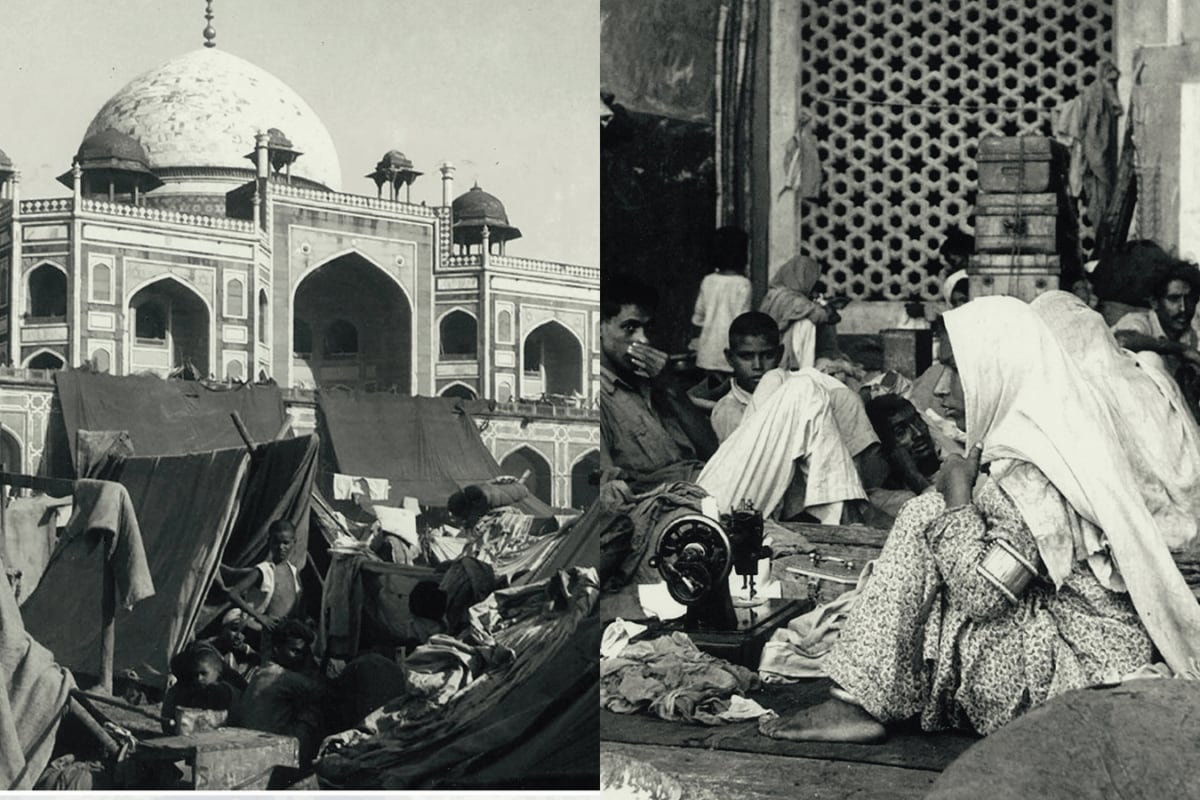
(Image: AFP) 2 / 6 Delhi's population nearly doubled within a decade after the partition. The 1941 Census recorded the city's population at around 9.18 lakh, while by 1951, it had risen to nearly 17.4 lakh as thousands of Hindu and Sikh refugees settled in the capital. (Image: AFP) 3 / 6 Historic monuments and open spaces were turned into makeshift refugee camps.
Places such as Purana Qila and the area around Humayun's Tomb sheltered thousands of displaced people who arrived in Delhi with little more than what they could carry. (Image: AFP) 4 / 6 Refugees also lived in makeshift settlements across central Delhi. Photographs from 1950 show families living in shacks along pavements near Queen's Road and Lothian Bridge, highlighting the severe shortage of housing in the rapidly expanding capital.
(Image: AFP) 5 / 6 The government treated refugee rehabilitation as a national emergency, leading to the creation of several new residential colonies. Areas including Patel Nagar, Lajpat Nagar, Shakti Nagar, Geeta Colony and Azadpur grew as refugee communities established permanent homes. (Image: AFP)
 The BriefWire