Hyderabad founder hired a taxi driver as his first employee. See where he is today
A Hyderabad-based founder’s decision to hire a taxi driver as his company’s first employee ten years ago had raised plenty of eyebrows at the time
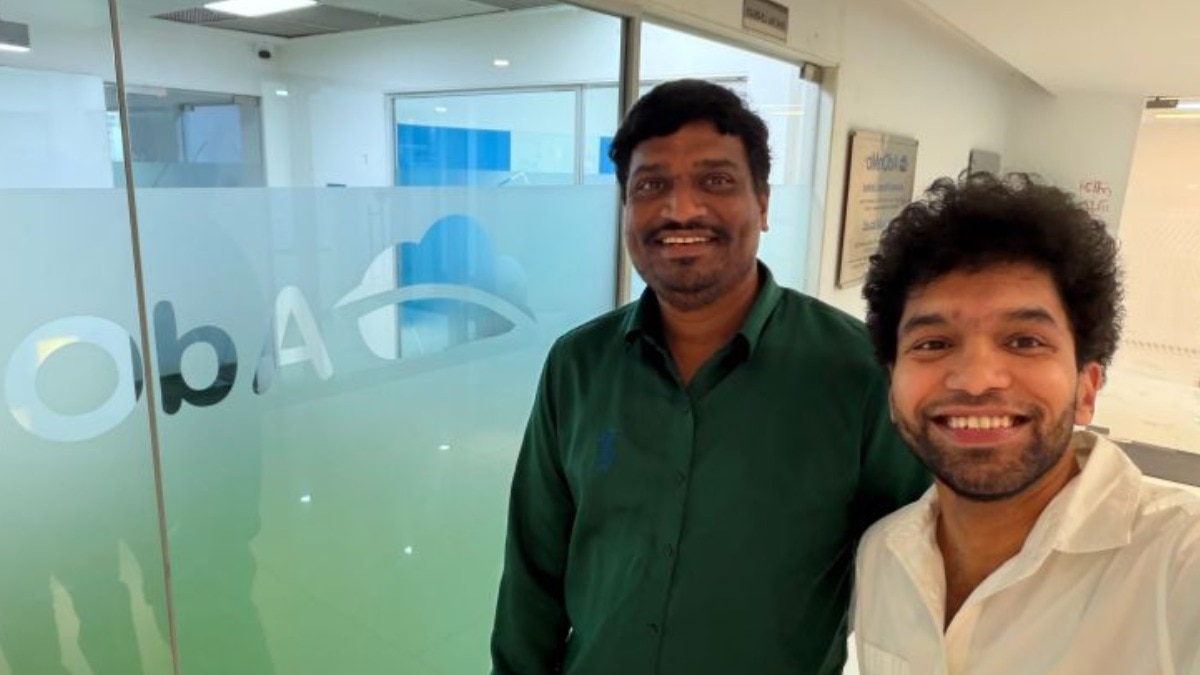
A Hyderabad-based founder’s decision to hire a taxi driver as his company’s first employee ten years ago had raised plenty of eyebrows at the time. A decade later, that same employee had gone on to take charge of procurement for the company across India. Sravanth Gajula, co-founder of Adonmo, shared the story in a LinkedIn post, recalling how he chose to look beyond conventional qualifications when he was building the company. Read Full Story Gajula said the employee had no corporate experience, did not know English and did not have the kind of resume that would typically catch the attention of a traditional recruiter. Yet, what stood out to him was the man's hunger to learn, honesty and willingness to figure things out. Instead of focusing on what the candidate lacked, Gajula decided to bet on his potential. The employee joined the company when it was still in its early stages.
The company then invested in helping him develop professionally, including enrolling him in spoken English classes. He was also given meaningful responsibilities rather than being limited to routine or peripheral tasks. Gajula said the intention was to treat him as someone capable of growing into a larger role, rather than judging him solely by his existing qualifications. Ten years after joining the company, the former taxi driver had risen to become the head of procurement at Adonmo, with responsibility spanning operations across India. Gajula described him as one of the most trusted people in the organisation. The founder used the story to make a broader point about hiring and workplace culture, arguing that companies often talk about being people-first but demonstrate it through decisions that give overlooked candidates an opportunity. He said that, in practice, building such a culture meant hiring people others might have dismissed, investing in them before they appeared "ready" and giving them enough responsibility to prove what they could do.
Gajula's post centred on the idea that potential was not always visible on a resume. He recalled that many people had questioned his decision to hire the employee when the company was starting out. But what he saw in the candidate was the willingness to learn and the determination to make things work. A decade later, the employee's career had become an example of what could happen when someone was given an opportunity and the support to make the most of it. Gajula concluded his post by urging founders and leaders to think differently about the people they hire, saying that teams could grow into the expectations and opportunities their leaders gave them. Take a look at the post here The story received a whole lot of praise on LinkedIn, with several users focusing on the importance of recognising potential beyond formal qualifications. One commenter said the story was a strong example of genuinely backing someone's potential, particularly because many organisations claimed to value talent but were reluctant to invest in people before their abilities became obvious.
 The BriefWire