California may fine influencers who hide political campaign payments
California is considering fines of up to $5,000 for social media creators who fail to disclose payments from political campaigns, as candidates increasingly use influencers
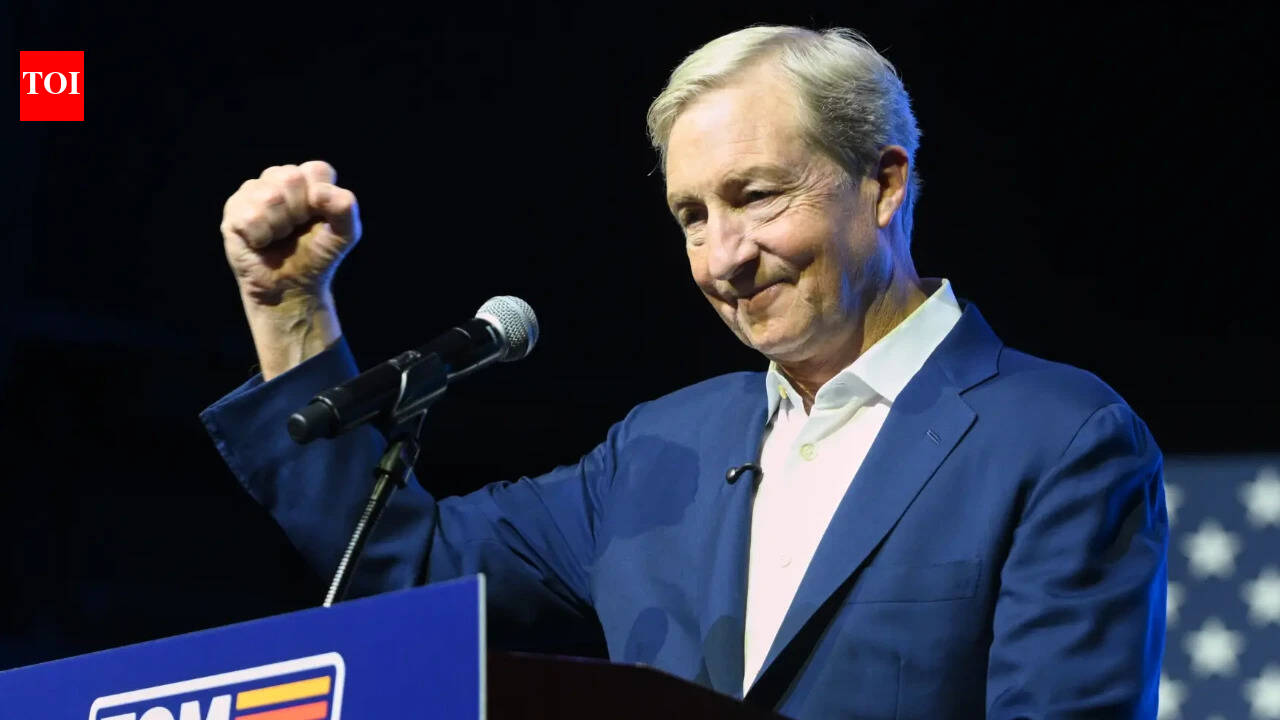
California is considering fines of up to $5,000 for social media creators who fail to disclose payments from political campaigns, as candidates increasingly use influencers to reach voters ahead of the 2026 midterm elections and the 2028 presidential race.The debate has already played out on Instagram. Los Angeles-based creator Shaka Smith, who has more than 700,000 followers, endorsed Democratic candidate Tom Steyer during the California governor’s primary after being paid by his campaign.“Healthcare shouldn't bankrupt you, housing should not feel impossible, polluters shouldn't pass their bill to us and artists should not be replaced by AI," Smith said. "That’s why I’m supporting Tom Steyer for governor.”Smith began the video with a disclosure, “This is an ad, and honestly, I wish more political content said that first." His caption also identified the payment from Steyer’s campaign.According to a report by news agency AP, California is one of two states, along with Texas, requiring creators to disclose when they have been paid for political posts.
Campaigns are increasingly working with smaller creators, sometimes with fewer than 100,000 followers, to reach specific audiences.“If you’re running for president and you are not currently trying to court some of these people or lining up your own people to act as surrogates for you, you’re already behind,” Mike Nellis, a democratic strategist who worked for Kamala Harris' presidential campaign, told the news agency.Questions over disclosure have grown following cases involving paid political content that was not clearly identified as such.AP reported, in 2022, the campaign of then-Senate candidate John Fetterman paid Nicole “Snooki” Polizzi of “Jersey Shore” to make a video mocking his Republican rival. In 2023, creators were paid by an influencer marketing agency with conservative ties to defend Texas Attorney General Ken Paxton after his impeachment, according to The Texas Tribune. The payments were not clearly disclosed in either case.Steyer, a democratic billionaire who spent more than $215 million of his own money on his unsuccessful governor’s campaign, also faced criticism over payments to creators.
While many creators disclosed that they were paid, California’s campaign finance watchdog is investigating other cases in which creators allegedly did not.California’s disclosure law, passed in 2023, allows the state campaign watchdog to seek a court order requiring creators to disclose payments. The process can take months.Democratic assemblymember Marc Berman has proposed legislation allowing the state’s Fair Political Practices Commission to directly fine creators and political committees for violations. The proposed penalties could reach $5,000 per violation, according to the commission.“Voters should have a right to know whether or not campaigns are paying for the messaging that they’re seeing,” Berman said.California senator Adam Schiff has introduced federal legislation, although it has not received a vote. The Federal Election Commission is also facing calls from outside groups to establish national rules.Texas adopted a similar disclosure rule in 2024, while New York lawmakers are considering comparable legislation. Disclosure bills have also been proposed in Utah and Georgia but failed in recent years.Smith said he produced two paid for Steyer, both carrying compensation disclosures.
 The BriefWire