'No Benefit In Normalization': Pakistan Calls For 'Islamic NATO' To 'Counter' India, Israel
News world 'No Benefit In Normalization': Pakistan Calls For 'Islamic NATO' To 'Counter' India, Israel 'No Benefit In Normalization': Pakistan Calls For 'Islamic NATO' To
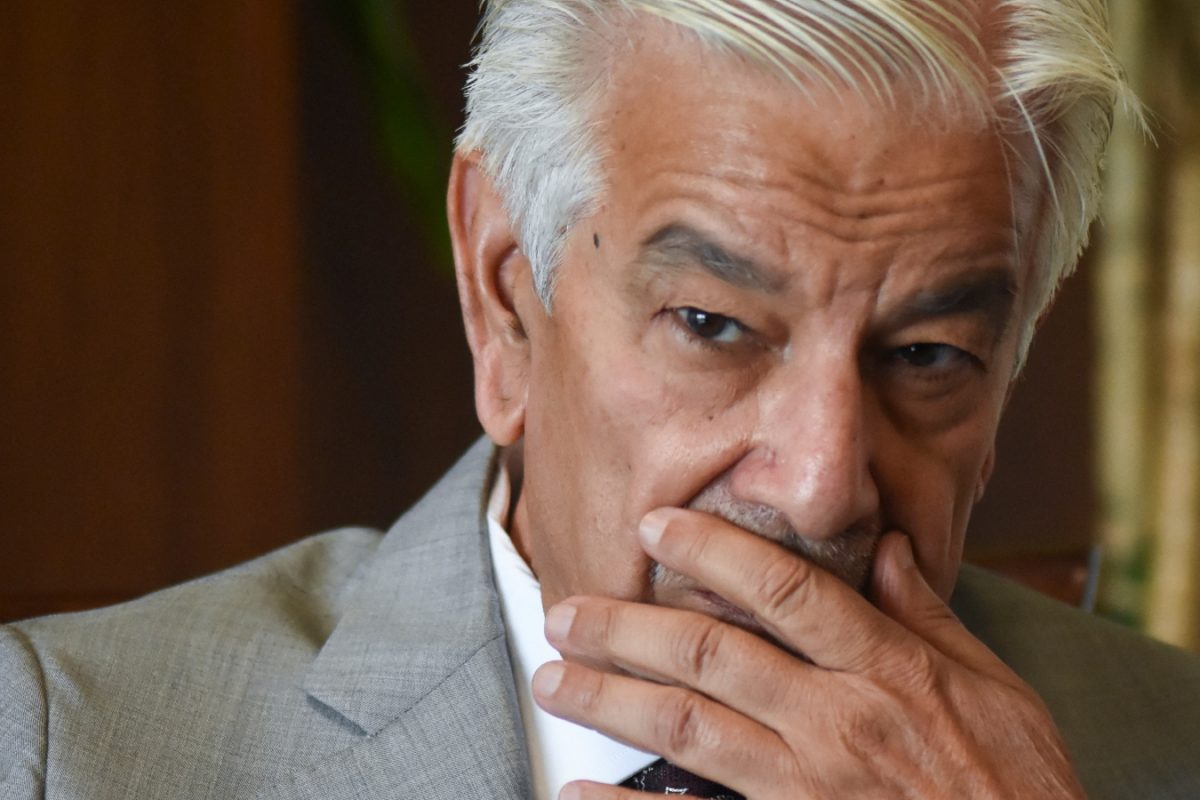
News world 'No Benefit In Normalization': Pakistan Calls For 'Islamic NATO' To 'Counter' India, Israel 'No Benefit In Normalization': Pakistan Calls For 'Islamic NATO' To 'Counter' India, Israel Reported By, Edited By Last Updated: August 08, 2026, 09:12 IST A day after the signing of Mecca Joint Defence Agreement with Saudi Arabia and Turkey, Pakistan Defence Minister Asif renewed efforts to cast his country as a victim of terrorism Pakistan's Defence Minister Khawaja Asif (File pic/Reuters) A day after the signing of the Mecca Joint Defence Agreement with Saudi Arabia and Turkey, Pakistan Defence Minister Khawaja Asif renewed efforts to cast his country as a victim of terrorism, urging the “Islamic NATO" to address what he termed “challenges" by India and Israel. The joint agreement between Saudi Arabia, Pakistan, and Turkey commits the three nations to treat an armed attack on one member as an attack on all.
This key principle has drawn comparisons to NATO’s Article 5, which states that an armed attack against one member in Europe is considered an attack against them all. In an interview with a Pakistani news channel, accessed by CNN-News18, Asif described terrorism as a “shared threat" across Saudi Arabia, Turkey, and Pakistan. “Indian-backed elements operating from Afghanistan drive terrorist activities against Pakistan", said the minister. Pertinent to note that New Delhi has consistently maintained that Islamabad uses terrorism as an instrument of state policy, leading to major diplomatic and military actions, including the 2025 cross-border conflict between the two neighbouring countries in the wake of the Pahalgam terror attack. Asif stated that the ongoing regional conflicts –– including the recent military confrontation with India –– require “official handling rather than media debate". “Muslim nations need to create an expansive alliance structured similarly to NATO", he said.
“Member states must bypass bilateral disputes to form a unified defensive block." On West Asia Conflict Addressing the ongoing war in West Asia –– involving the United States, Israel, and Iran –– Khawaja Asif said that the current tensions in the region highlight the urgency for “collective Islamic diplomacy". “The establishment of Israel and its ongoing policies require a unified response from Islamic nation", he claimed. “Normalizing relations with Israel offers no benefit to Muslim nations". His remarks come even as Pakistan appears caught between the United States and Israel ––two close allies –– as it seeks to maintain ties with Washington while continuing its long-standing criticism of Israel. Asif also argued that solidarity with Palestine remains an “essential condition" for regional Islamic policy. War In Iran What was supposed to be a “short excursion" in Iran has spiraled into a large-scale conflict in the Gulf, as the key Strait of Hormuz emerges as a major sticking point in negotiations between Washington and Tehran.
 The BriefWire