He's been frozen on Everest for 30 years, now 'Green Boots' may finally be coming home
The Chinese side of the peak – where Green Boots' body is – is steeper and doesn't have the same support structures as the southern
The Chinese side of the peak – where Green Boots' body is – is steeper and doesn't have the same support structures as the southern slope, which is another complicating factor, Sherpa sources have told BBC News Nepali. "It's really tough to get that body down even in popular spring season, let alone the autumn [which has more unpredictable weather]. That's the simple reason it is still there for so many years," mountaineering guide Pemba Ongchu Sherpa said. "There would need to be 10 to 12 climbers who are capable of making summits, just to fix [support] ropes to reach that point." Green Boots will also have to be physically carried down to an altitude where it can be collected by a helicopter, or possibly yaks, and transported back to an airport – a job which also requires huge manpower.
Sherpas say bodies shrouded in iced-up climbing gear often weigh several times the average man and are frequently frozen into awkward positions, making bringing them down the challenging terrain even more treacherous. The remains may also begin defrosting and decomposing once they reach lower altitudes. The start of the descent with the body would be the most difficult, Indian climber Kuntal Joisher told BBC Nepali. "It's going to be very, very risky endeavour. It's extremely steep ground with lots of rock. Logistically, this [first] 1000m is going to be a humungous challenge." "The main thing is to not put Sherpa lives at risk for a dead body." All of this makes for a hugely expensive recovery mission – experts say even the most straightforward ones cost between $40,000 and $80,000, a sum beyond the means of most families.
It is more common for local teams to move people who have died out of view on the mountain: like explorer Francys Arsentiev, dubbed the Sleeping Beauty of Everest, who in 2007 was moved to a more private final resting place on Everest almost a decade after she died. But the ITBP –
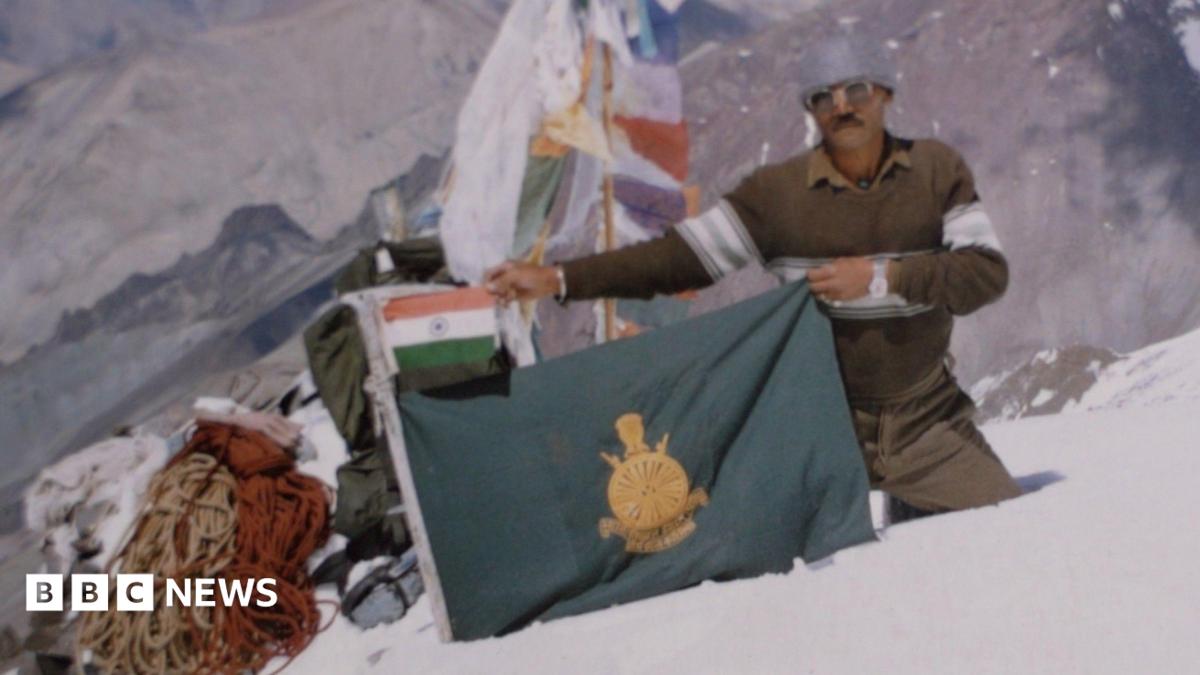
which is funding the recovery operation – wants Morup's body to be returned by September, and is looking for mountain rescue Sherpa groups who could do the job. Once returned to India, the body will undergo DNA testing and, if confirmed to be Morup, his remains will be given back to his family.
 The BriefWire