Europe's rivers are drying up. Can they be saved?
The Rhine and Danube have reached historic lows. Dwindling water levels are affecting shipping, agriculture and ecosystems — and raising concerns about the future of
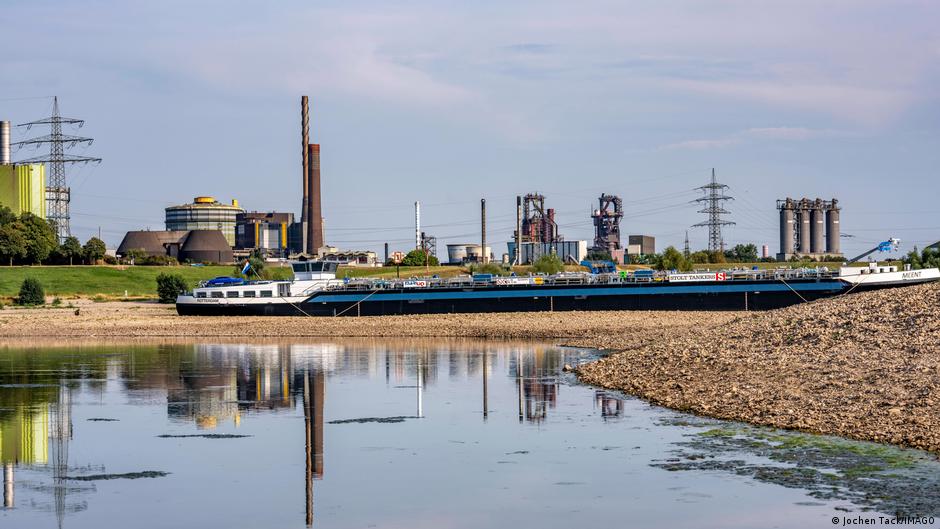
The Rhine and Danube have reached historic lows. Dwindling water levels are affecting shipping, agriculture and ecosystems — and raising concerns about the future of drinking water supplies. Following an intense heat wave in June and severe wildfires in southern France and Spain, Europe's summer of climate-fueled crises continues with rivers across the continent running low. Parts of the vital Rhine, Danube and Po rivers have fallen to historically low levels, threatening freight transport, the wider economy, and agriculture, with farmers warning of increased prices due to poor harvests amid the drought. Along the Danube, cargo and cruise ships can no longer pass in some places. In Hungary, Romania and Croatia, sunken ships and cars have reemerged as riverbeds dry out. In German cities, including Cologne and Düsseldorf, people can now walk across parts of the Rhine where strong currents normally flow. River levels could fall even more dramatically in the coming days. The water crisis is being intensified by global warming driven by the burning of coal, oil and gas. Low water levels are also taking a growing toll on ecosystems — and could eventually drive up the cost of clean drinking water. The impact on nature Parched fields, millions of hectares of lost harvests and exposed riverbeds are among the most obvious consequences of the drought. But underwater ecosystems are suffering too. As water levels fall, rivers become warmer and contain less dissolved oxygen, increasing the risk of fish die-offs, explained Jeanette Völker, a scientist with Germany's federal environment agency, the UBA. "Especially along the Rhine, you can see how the gravel banks are drying up. These are habitats for mussels and invertebrates, which in turn serve as food for fish.
This puts enormous stress on these ecosystems. Mussels cannot move away quickly enough and die off," Völker told DW. Drought, intense sunshine, and high nutrient loads from agricultural fertilizers also encourage algal blooms harmful to fish. These effects were seen in 2022 on the Oder River in eastern Germany. High temperatures, low water levels and elevated salinity allowed a toxic invasive algae to spread. Around 1,000 metric tons of fish died along parts of the German-Polish border river. Experts do not expect a repeat of the Oder disaster on the Rhine this summer because oxygen levels remain sufficiently high. But the danger to the wider freshwater ecosystem remains. As the Danube retreats, long-submerged wreckage is resurfacing — a sign of how far the river has fallen Image: Darko Vojinovic/AP Photo/picture alliance What dwindling rivers mean for drinking water costs The Rhine and the Danube are fed by numerous tributaries that are also running low. These tributaries are crucial because their lush, reed-filled banks act as natural filters, allowing water to slowly pass through layers of soil that help remove pollutants before water reaches underground wells. "Much of our drinking water is what's known as 'riverbank filtration,'" said Hagen Koch, a researcher specializing in climate adaptation and resilience at Germany's Potsdam Institute for Climate Impact Research. In other words, Germany's drinking water comes from those wells. But drought is weakening this process. Pollutant concentrations are increasing because roughly the same volume of wastewater — largely from industry and sewage works — is discharged into rivers even as water levels fall. "If the ecosystem is damaged — that is, the animals and plants that contribute to water purification — this results in significant additional costs.
 The BriefWire