Assam Releases Ten More Captive-Bred, Critically-Endangered Vultures Into The Wild
News india Assam Releases Ten More Captive-Bred, Critically-Endangered Vultures Into The Wild Assam Releases Ten More Captive-Bred, Critically-Endangered Vultures Into The Wild Reported By, Last
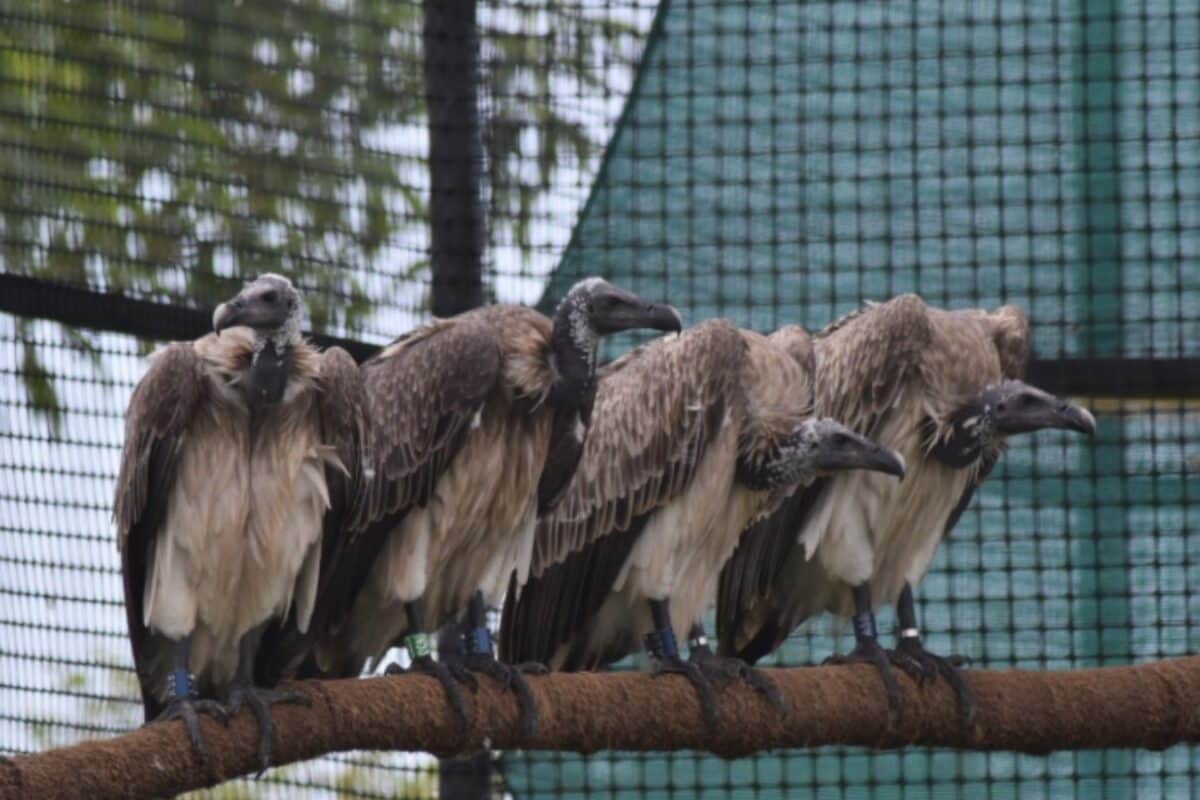
News india Assam Releases Ten More Captive-Bred, Critically-Endangered Vultures Into The Wild Assam Releases Ten More Captive-Bred, Critically-Endangered Vultures Into The Wild Reported By, Last Updated: August 07, 2026, 23:18 IST This is the first-such release of captive-bred Slender-billed vultures, which are classified as ‘critically-endangered’ by IUCN. Rapid Read The International Union for Conservation of Nature (IUCN) has already classified three of the Gyps species Assam has released ten more captive-bred vultures into the wild, marking the first such release of captive-bred slender-billed vultures – one of the most ‘critically endangered’ Gyps species in the world. The step is part of India’s long-term plan to conserve these magnificent birds of prey through captive breeding and reintroduction in their habitat. These giant birds of prey have suffered an extremely rapid population decline across India in recent decades, largely due to feeding on carcasses treated with the veterinary drug Diclofenac.
The drug leads to fatal poisoning among vultures. Since these giant birds are scavengers and feed on carcasses of cattle, their numbers suddenly plummeted from millions to a few thousands between 1990 and 2016. The International Union for Conservation of Nature (IUCN) has already classified three of the Gyps species – the long-billed vulture, white-backed vulture, and slender-billed vulture – as ‘critically endangered’, warranting immediate conservation measures. The latest batch included five slender-billed vultures and five white-rumped vultures and follows Assam’s historic step in March when it released ten critically endangered white-rumped vultures into the wild. Six of them were captive-bred and marked the first-ever reintroduction of the species in the Northeast. “All the vultures were numbered, with blue-coloured rings on their legs and tags on their backs. These vultures would stay in the area and may socialise with the vulture populations around," said BNHS Director Kishor Rithe.
The release was coordinated by the Forest Department of Assam and the Bombay Natural History Society (BNHS), which has been working on the conservation breeding of vultures in Assam since 2007. The ten vultures were transported from the Vulture Conservation Breeding Centre (VCBC), Rani, three months before and were kept for acclimatisation at the Jatayu Soft Release Center, Tewaripal, Biswanath, in Assam. The team had also set up a special vulture release aviary at Kaziranga Park to facilitate the release. Scientists also made an appeal to the public to not use any banned (NSAID) medicines in livestock treatment or spray pesticides on dead animal carcasses, as they are natural food for vultures. The public has also been asked to inform the Forest Department and its staff if they spot any marked vultures. While India has banned such non-steroidal anti-inflammatory veterinary drugs (NSAID) like diclofenac, aceclofenac, ketoprofen and nimesulide, the birds also face threats from pesticide poisoning.
 The BriefWire