The political cost of Europe’s migration dilemma
Why anti-immigration sentiment has grown Europe’s migration dilemma (AP photo) Why anti-immigration sentiment has grown Europe’s migration dilemma (AP photo) Why anti-immigration sentiment has grown
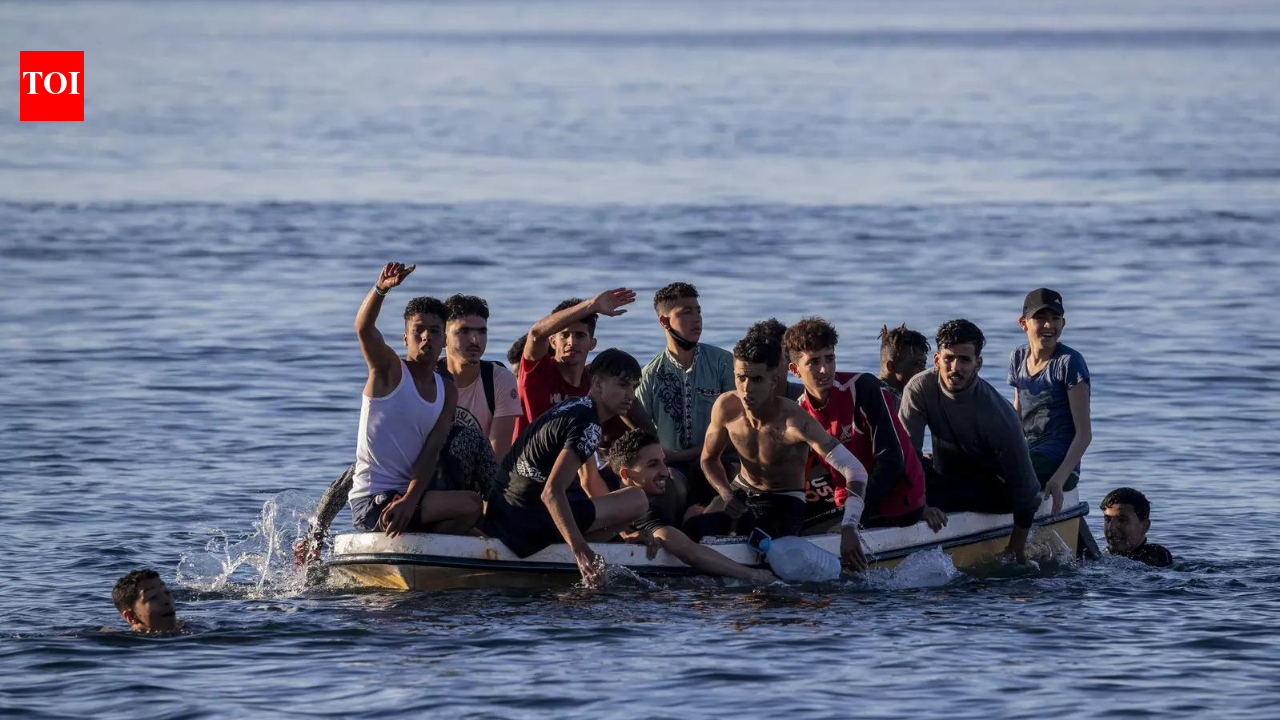
Why anti-immigration sentiment has grown Europe’s migration dilemma (AP photo) Why anti-immigration sentiment has grown Europe’s migration dilemma (AP photo) Why anti-immigration sentiment has grown 1 2 Europe's population decline projection (2025-2100) More than a border crisis Europe's migration flashpoints since 2015 The turning point: 2015 Europe's changing immigration policy When immigration became a domestic issue The altering European politics Rising crime The rise of anti-immigration politics Protests: From parliament to streets Europe's contradiction So what is the way forward? Why is Europe becoming increasingly resistant to immigration? Images of thousands of people swimming desperately, scrambling over rocks or wading through the sea in the hope of reaching Spain's tiny North African enclave of Ceuta have once again thrust Europe into the global spotlight.Ceuta is not an isolated incident. It is merely the latest chapter in Europe's long struggle to balance humanitarian obligations with domestic political realities.On the surface, the story appears straightforward: tens of thousands of migrants attempting to enter Europe in search of a better life. But beneath the dramatic visuals lies a far bigger political story.The real question is no longer why migrants continue to come to Europe. Wars, poverty, climate change and economic instability across Africa and the Middle East have supplied that answer repeatedly over the past decade.The latest migration surge has revived a debate that has shaped the continent for over a decade.From Berlin and Paris to Dublin, Amsterdam and Madrid, immigration has evolved from a humanitarian issue into one of the continent's most divisive political fault lines.Governments are tightening asylum rules, restoring border checks within the Schengen Area, outsourcing migration control to neighbouring countries and facing growing public anger over immigration policies.Political parties campaigning on promises of stricter border controls are winning elections or gaining unprecedented support.So, what has changed?The swimmers heading towards Ceuta are not merely fleeing economic hardship or chasing opportunity.Their journey has become a symbol of a continent wrestling with competing ideas about identity, security, sovereignty and humanitarian responsibility.Every major migration crisis leaves behind an enduring image.In 2015, it was the photograph of three-year-old Alan Kurdi lying lifeless on a Turkish beach, forcing Europe to confront the human cost of war and displacement.Years later came overcrowded boats arriving on Italy's Lampedusa island, exposing the pressures on Europe's southern frontier.Today, thousands of people swim across barely 100 metres of sea into Ceuta.
 The BriefWire