India's imported urea subsidy jumps 128% amid global crisis, weak rupee: RTI
India's subsidy burden on imported urea more than doubled in 2025-26, underlining the rising fiscal cost of shielding farmers from volatile global fertiliser prices and
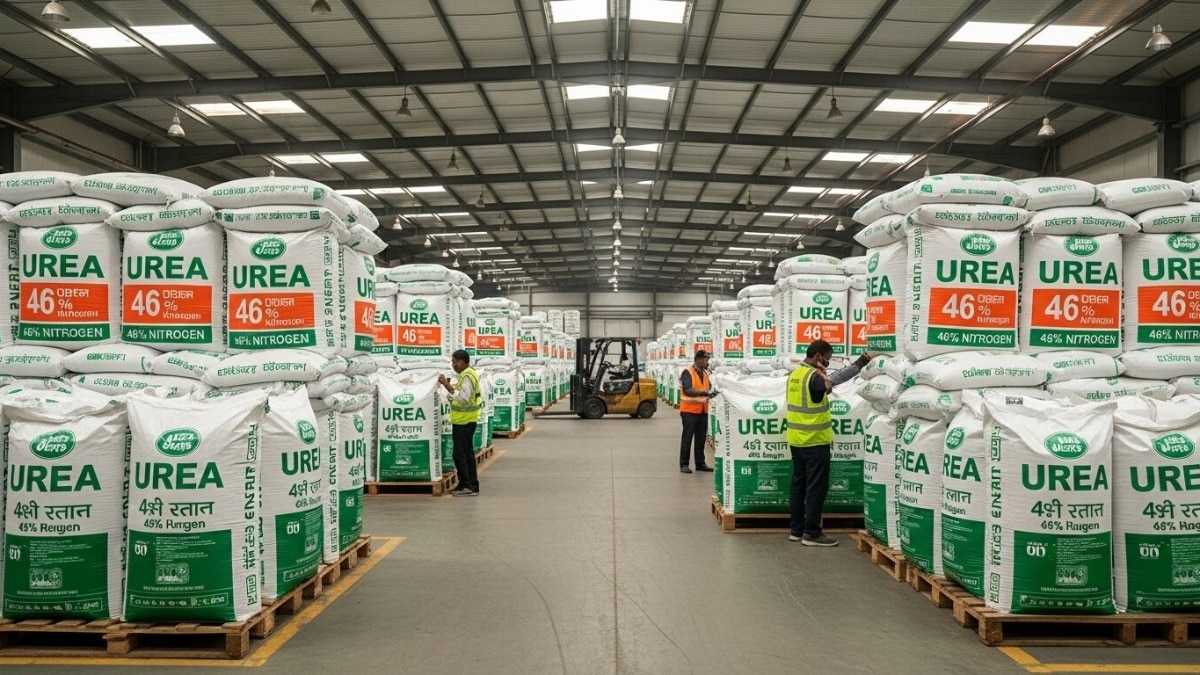
India's subsidy burden on imported urea more than doubled in 2025-26, underlining the rising fiscal cost of shielding farmers from volatile global fertiliser prices and growing import dependence, according to data obtained by India Today through the Right to Information (RTI) Act. The RTI response from the Department of Fertilisers shows that the government disbursed Rs 47,956.24 crore as subsidy for imported urea in 2025-26, compared with Rs 21,000 crore in 2024-25—an increase of 128.4 per cent in just one financial year. Read Full Story The figures come at a time when global fertiliser markets continue to face uncertainty amid geopolitical tensions and currency fluctuations.
Agriculture expert Vijay Sardana told India Today that the sharp rise reflects the combined impact of the rupee's depreciation against the US dollar and disruptions in international supply chains linked to the US-Iran conflict. Urea remains India's most widely used fertiliser, with farmers paying a government-fixed subsidised price for a 45-kg bag. The Centre compensates fertiliser companies for the gap between this retail price and the actual cost of production or imports. As a result, when imported urea becomes more expensive, the additional burden is largely borne by the government rather than farmers. SUPPORT FOR DOMESTIC UREA DECLINES Interestingly, while the subsidy on imported urea surged, support for domestically produced urea declined.
The RTI data shows that subsidy for indigenous urea fell from Rs 1,03,319.50 crore in 2024-25 to Rs 94,219.50 crore in 2025-26, a decline of 8.8 per cent. Overall, the government's total urea subsidy bill—covering both imported and indigenous supplies — increased from Rs 1,24,319.50 crore to Rs 1,42,175.74 crore, marking a rise of around 14.4 per cent year-on-year. The RTI data also indicates that the trend has continued into the current financial year. Between April 1 and July 23, 2026, the government had already disbursed Rs 27,722.45 crore towards imported urea subsidy, compared with Rs 32,746.51 crore for domestically produced urea.
The Department of Fertilisers said it does not maintain month-wise subsidy data and that revised estimates for the ongoing financial year are yet to be prepared. While farmers continue to receive urea at subsidised prices, the RTI figures highlight how global conflicts, a weaker rupee and India's reliance on imported fertilisers are steadily increasing the cost of that support for the government. Ends
 The BriefWire