As Economic Pressure Builds, Asim Munir Is Pressed Into Tightening Noose Around Fundamentalists
News world As Economic Pressure Builds, Asim Munir Is Pressed Into Tightening Noose Around Fundamentalists As Economic Pressure Builds, Asim Munir Is Pressed Into Tightening
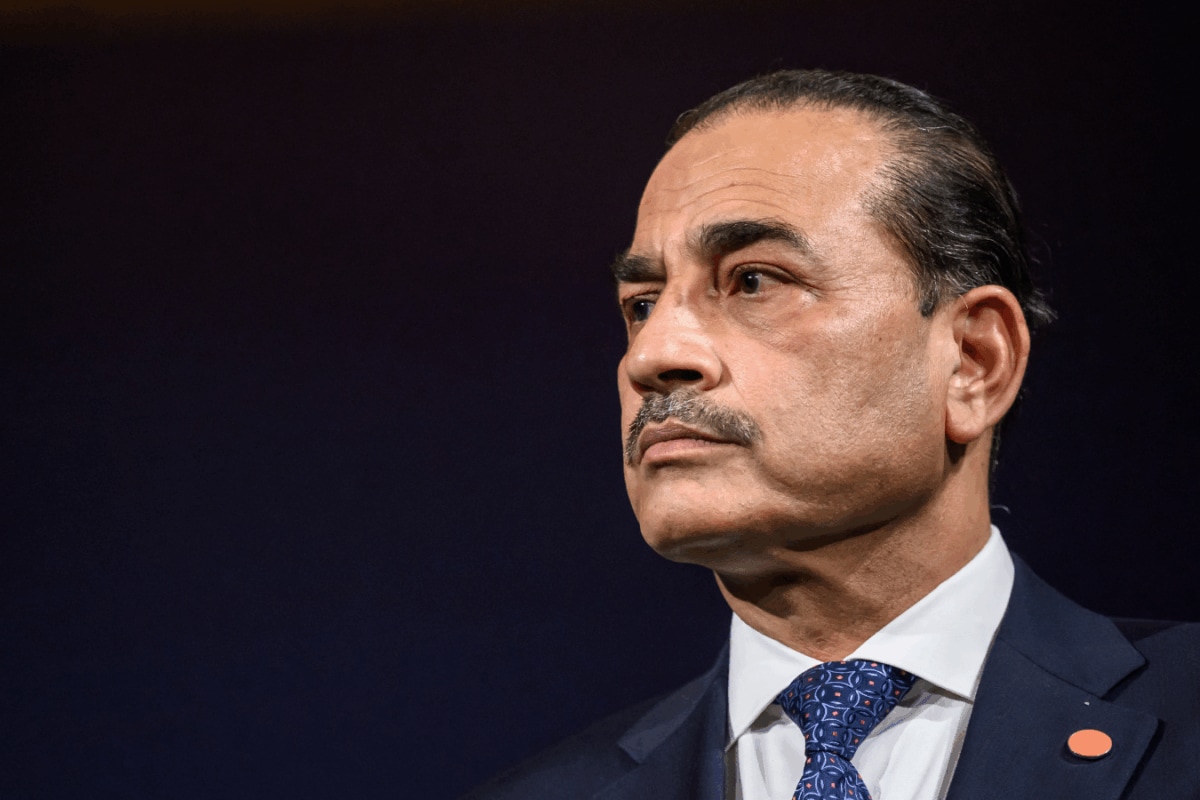
News world As Economic Pressure Builds, Asim Munir Is Pressed Into Tightening Noose Around Fundamentalists As Economic Pressure Builds, Asim Munir Is Pressed Into Tightening Noose Around Fundamentalists Published By, Last Updated: August 07, 2026, 15:19 IST Asim Munir is having to rein in the fundamentalists who have often run rough shod over the people in Pakistan. What is driving this change? Rapid Read Munir has been reportedly trying to rein in his country's fundamentalist forces. (representational image) Pakistan has sharply reduced blasphemy-related activity following a military-backed crackdown overseen by Army Chief Asim Munir. Registered blasphemy cases have fallen to 13 so far this year, down by roughly two-thirds compared with recent years, data from the Human Rights Commission of Pakistan shows. Incidents of mob violence have also declined, with only one reported riot or attack in the past 12 months, compared with an average of more than seven annually between 2021 and 2024, according to government and security sources quoted by Reuters.
Officials and analysts say the crackdown targets Islamist groups that had previously mobilised around blasphemy allegations. Pakistan is believed to be a pretorian state, when military wields overbearing powers on the civilian government, by experts across the globe. That puts Asim Munir, as the head of its armed forces, as the de facto head of the whole country too. Why Is Asim Munir Changing Pakistan? The move is linked to Pakistan’s efforts to improve ties with Western countries, protect trade access, particularly to the European Union, and respond to international criticism over religious persecution. It also follows tensions with the Afghan Taliban and growing internal security concerns, including insurgencies that draw from similar pools of radicalised recruits. A key step was the banning of Tehreek-e-Labbaik Pakistan (TLP), a major hardline group, alongside arrests of its leaders and restrictions on its operations. Authorities described such groups as a threat to internal stability and Pakistan’s global reputation. Officials say the military and civilian government are aligned on a policy of “zero tolerance" towards organisations that incite violence or unrest.
Asim Munir’s Background Asim Munir, Pakistan’s army chief, comes from a conservative religious background as the son of an imam. Despite this, he has led efforts to project a more moderate image of Pakistan internationally while strengthening ties with countries including the United States, China and Saudi Arabia. His approach reflects a broader strategy to stabilise the economy, attract foreign investment and recalibrate Pakistan’s security priorities. In 2025, when the hostility expressed by fundamentalist forces in Pakistan towards France and other European nations was threatening to jeopardise an EU duty waiver for Pakistani products, it rang alarm bells in Islamabad. A sudden drop in Pakistan’s exports, one-third of which go to Europe, would have brought the already battered economy to its knees. Even the Trump administration has made alleged persecution of Christians an issue. The U.S. Commission on International Religious Freedom, recommended last year that Pakistan be re-designated as a Country of Particular Concern because of its blasphemy laws.
 The BriefWire