Could India's Proposed UPI Charges Make Trump Happy? Why US May Be Watching
News explainers Could India's Proposed UPI Charges Make Trump Happy? Why US May Be Watching Could India's Proposed UPI Charges Make Trump Happy? Why US
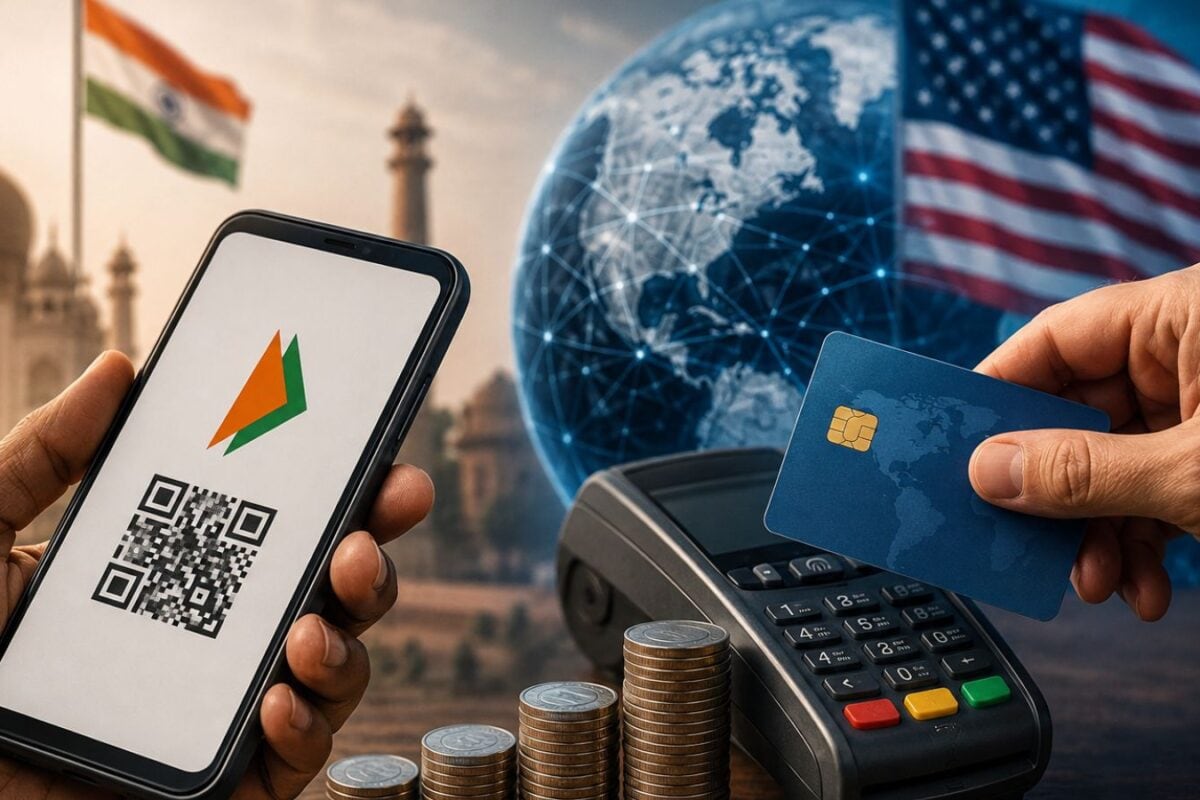
News explainers Could India's Proposed UPI Charges Make Trump Happy? Why US May Be Watching Could India's Proposed UPI Charges Make Trump Happy? Why US May Be Watching Published By, Last Updated: August 07, 2026, 12:59 IST The government says UPI Merchant Discount Rate is about financial sustainability. But with US trade concerns in the backdrop, could there be a larger geopolitical dimension? Rapid Read Will UPI fees help fund India's digital payments revolution, or give American payment giants a bigger foothold in India's booming digital economy? (AI-Generated Image) For years, India’s UPI revolution has been built on one simple promise—pay digitally, pay instantly, pay nothing extra. Now, as the government opens the door to bringing back a merchant fee on UPI transactions, a bigger question is emerging: is this simply about making UPI financially sustainable or does it also have an international dimension? The timing is crucial. The United States has long had concerns about India’s digital payments ecosystem, particularly the advantage UPI’s zero-MDR model gives it over card networks such as Visa and Mastercard. With digital trade and market access forming part of the broader India-US economic conversation, could a return of Merchant Discount Rate (MDR) indirectly benefit American payment companies and, by extension, the Trump administration? India insists that the proposed framework is about creating a sustainable model for an ecosystem that processes billions of transactions every month. But trade-policy experts such as the Global Trade Research Initiative (GTRI) have warned that India should not rewrite its UPI policies under US pressure. ALSO READ | Could Buying Your Next Phone Or TV Via UPI Cost More? Why Govt Is Rethinking Free Payments So, is UPI MDR really an India-only economic decision, or is there a larger India-US trade story hiding behind the fee?
What Exactly Is MDR? MDR is essentially a fee paid by a merchant for accepting a digital payment. With cards, this fee is shared among players such as the issuing bank, acquiring bank and payment network. But regular bank-account-based UPI payments have operated under a zero-MDR regime since January 2020. The government has instead supported the ecosystem through incentives. That has helped make UPI extremely attractive to both consumers and merchants. The scale, too, is enormous. NPCI data shows that UPI processed 23.2 billion transactions worth nearly Rs 29.9 lakh crore in May 2026 alone, across 720 participating banks. So, Where Does Trump Come In? The US has previously objected to aspects of India’s digital payments framework, particularly policies that American payment networks have viewed as creating an uneven playing field. Washington has often criticised India’s UPI ecosystem in the past, with US payment companies such as Visa and Mastercard having an interest in India’s huge digital-payments market. The basic concern is straightforward—UPI is free for merchants, while card networks generally earn money through merchant fees. That gives UPI a significant competitive advantage, particularly for everyday transactions. For American card networks, therefore, a UPI ecosystem in which merchants can potentially be charged is closer to the kind of commercial payment market they operate in elsewhere. Did India Changed UPI Policy Because Of Trump? No. This is where the distinction between timing and causation becomes important. The government has presented the move as a way to create a sustainable financial model for India’s rapidly expanding payments infrastructure. RBI Governor Sanjay Malhotra has made the underlying argument bluntly: “someone has to pay the cost" of maintaining the digital payments ecosystem. But the timing has inevitably triggered questions because digital trade and market-access issues have been part of the broader India-US economic conversation.
 The BriefWire