AI creates viruses that don’t exist in nature
Scientists in the US have used artificial intelligence to design and create viruses that do not exist in nature, in what researchers say is a
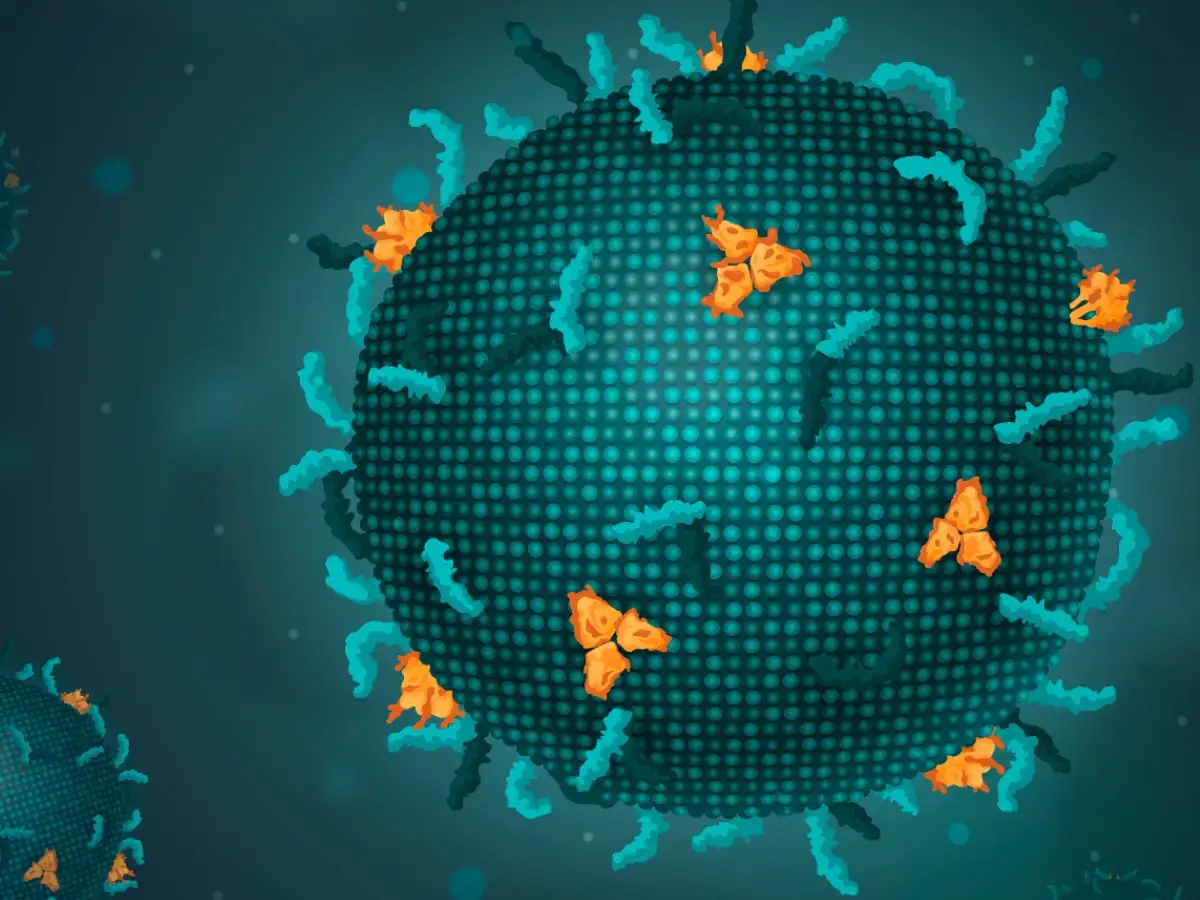
Scientists in the US have used artificial intelligence to design and create viruses that do not exist in nature, in what researchers say is a major step forward for synthetic biology.Researchers at Stanford University and the Arc Institute used a generative AI model called Evo to write new viral genomes. They then synthesised the DNA in a lab and found that 16 of the AI-designed viruses were able to replicate and kill E.
coli.The findings were published on Thursday in the journal Science.The viruses were bacteriophages, or phages — viruses that infect bacteria but not humans. The researchers chose them precisely because they are well understood and have been studied extensively.Also Read: AI's future lies in affordable, accessible intelligence, not just smarter models“This is a next step in the complexity that's designable by generative AI,” Brian Hie, a computational biologist at Stanford and the study's lead researcher, told the BBC.
“This was new territory for us.”The experiment marks a shift from using AI to design individual proteins or genes to using it to design an entire genome that can actually function inside a cell.Evo works much like a large language model, except that
instead of predicting the next word, it learns patterns in DNA. According to The New York Times, the model was trained on genetic sequences from millions of organisms and analysed around nine trillion nucleotides.The researchers then trained it on the 11 genes of Phi
 The BriefWire