India is a nation of walkers - but its cities forgot them
For much of my life, walking in Indian cities has felt less like exercising a right than negotiating an obstacle course. I grew up in
For much of my life, walking in Indian cities has felt less like exercising a right than negotiating an obstacle course. I grew up in Kolkata, where wide pavements disappeared beneath rows of hawkers. I moved to Delhi, where roads seemed designed almost exclusively for cars. Now I live in Gurugram, where footpaths vanish into rubble and garbage, are abruptly blocked by parked vehicles or construction, or sit uncomfortably high above the road.
So when India's Supreme Court declared in June that the right to walk safely on designated footpaths was a fundamental right, external, it felt less like judicial activism than common sense arriving decades late. Walking is the most democratic form of transport. Yet it is also the one India's cities have neglected most consistently. It's remarkable because India remains, above all, a nation of walkers. Around 45 million people walk to work every day, according to census-based estimates, compared with only about 5.4 million who commute in private cars, jeeps or vans.
Nearly a third of urban workers walk to work, while virtually every bus or metro journey begins and ends on foot. Add school runs, shopping trips and other everyday journeys, and walking dominates urban mobility. A 2019 survey of selected cities found that 63% of all journeys were made on foot, making pedestrians the single largest group of road users. Many are what researchers call "captive pedestrians" - people who walk not by choice but because they cannot afford another option.
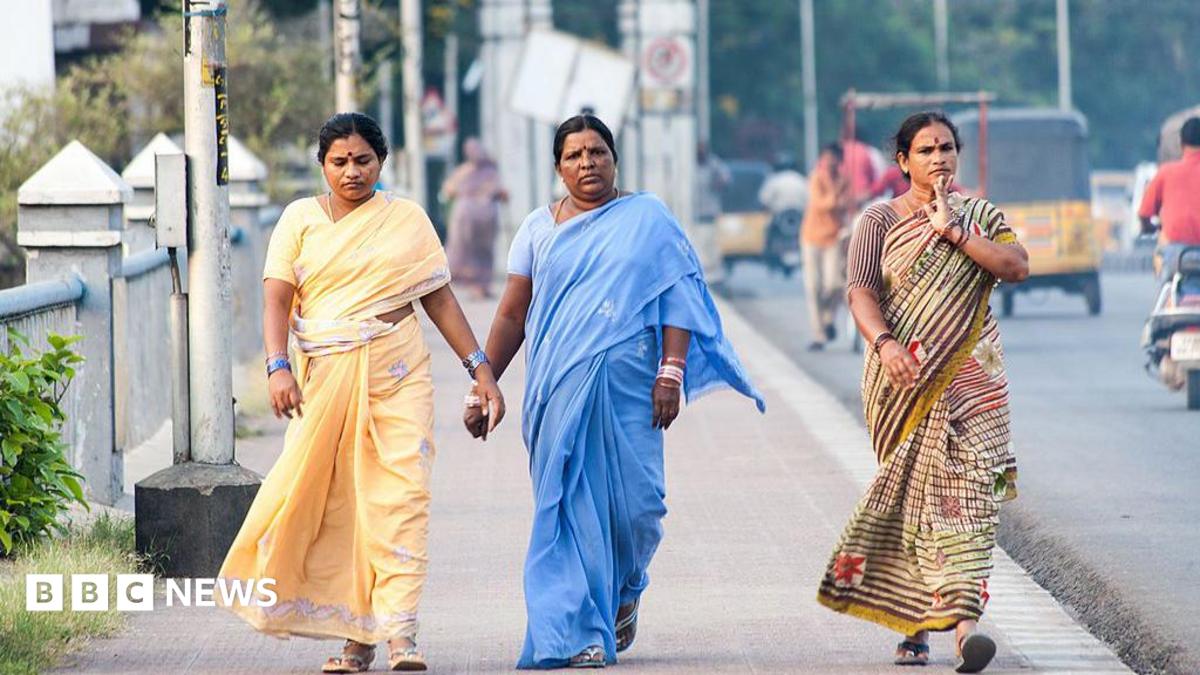
Women are especially dependent on walking. Yet the people who contribute least to congestion and pollution often face the greatest risks.
 The BriefWire