Ebola: Africa CDC plans to use vaccine for different strain as outbreak spreads
The head of the Africa Centres for Disease Control pledged to deploy a vaccine for a previous Ebola strain in the current DRC outbreak, with
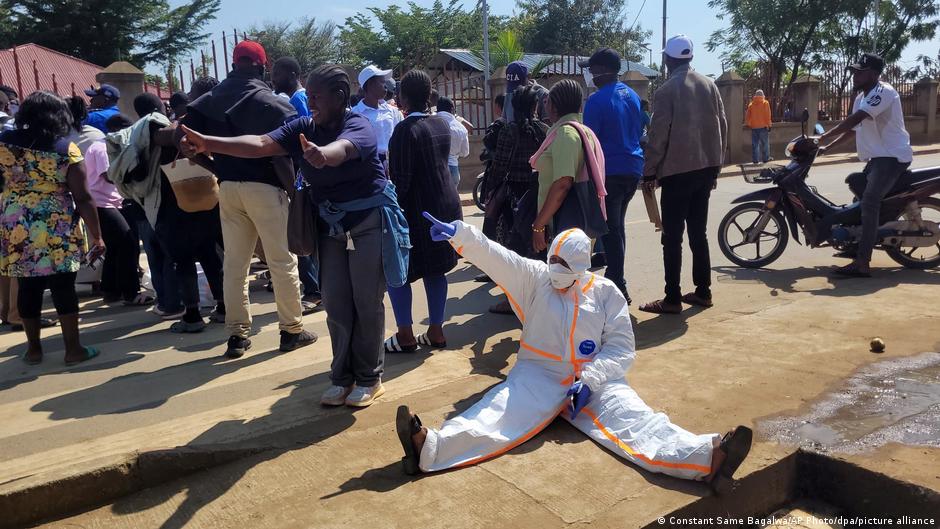
The head of the Africa Centres for Disease Control pledged to deploy a vaccine for a previous Ebola strain in the current DRC outbreak, with test cases indicating a potentially live-saving level of protection. African health authorities say they would start using a vaccine for the prior Zaire ebolavirus strain to treat the current outbreak involving a different, fast spreading strain known as Bundibugyo. The ongoing outbreak is centered in eastern Democratic Republic of Congo (DRC). The director general of the African Centres for Disease Control, or Africa CDC, Jean Kaseya, told reporters in a videoconference on Thursday that there was evidence of the vaccine eliminating deaths, if not symptoms, in the test cases conducted so far. The Africa CDC and the World Health Organization also plan to launch research checking for a possible mutation or some other abnormality in the current outbreak, as the virus spreads at a rate six to eight times faster than any past outbreak on record. The warnings come amid continued strikes and protests in the hardest-hit regions by some medical staff complaining either of non-payment or of inadequate pay and conditions. Medics trying to contain the virus are noting an unusually high rate of infection Image: Dirole Lotsima Dieudonne/AP Photo/dpa/picture alliance What did Kaseya say about the speed of the spread? Kaseya was speaking from Brazzaville in the neighboring Republic of Congo,after meeting with World Health Organization Director-General Tedros Adhanom Ghebreyesus in Kinshasa the previous day. The Africa CDC chief said authorities estimated 4,000 cases have been confirmed by now, given that 3,973 had been confirmed as of Tuesday in the latest available data.
That data also pointed to 1,801 confirmed Ebola deaths. The current oubreak was only declared in mid-May and is already the second-largest on record. Compared to the West Africa outbreak, which took place from 2014 to 2016 and is considered the largest ever, the current strain was causing deaths 6 times faster. "As Dr. Tedros shared with me yesterday, it's time for the WHO and Africa CDC to conduct studies to check that there is no issue, additional issue, or maybe if the virus is not mutating, because the level of severity of this Bundibugyo outbreak is unprecedented," Kaseya said. "This outbreak is just expanding." Everyone in Ituri at risk Kaseya said cases had now been logged in 51 health zones, compared to nine in May. He also drew attention to the numbers of cases identified as a share of the contact tracing program's size. During the most virulent and deadly outbreak on record, the Zaire strain outbreak in DRC between 2018 and 2020, one patient was identified from every 57 contacts identified as being at risk. Across the border in Uganda, which says it has eradicated the small number of cases it experienced this year, it had an average of one confirmed case from every 41 contacts in the list. In DRC this year, meanwhile, there was one confirmed case for every 10 people in the contact list. Kaseya said that in his estimation, a point had been reached where anybody in the hardest-hit city of Bunia or the worst-affected region of Ituri should be considered potential contacts.
 The BriefWire