Quote of the day by Mignon McLaughlin: 'The proud man can learn humility, but he will be proud of it' and why some things never change
Quote of the day by American author Mignon McLaughlin Change on the surface vs real change Is real change never possible? Human character possesses a
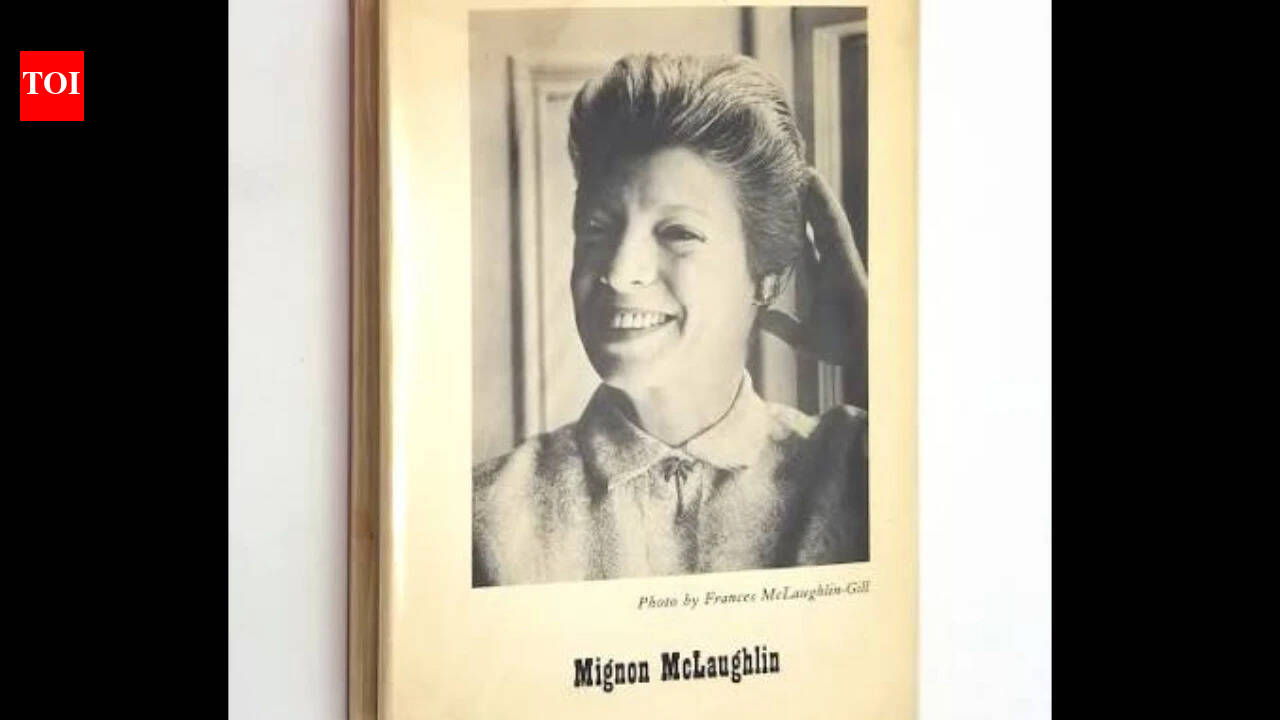
Quote of the day by American author Mignon McLaughlin Change on the surface vs real change Is real change never possible? Human character possesses a remarkable capacity for self-deception, particularly when it comes to the pursuit of virtue. When Mignon McLaughlin, an American journalist, editor and author best known for her sharp aphorisms, penned the observation that a proud man can learn humility, but will be proud of it, she captured a profound psychological paradox. The statement points to two things: One, how some things never change; two, how pride is not easy to be curbed.When a proud (egoistic) individual sets out to conquer their own arrogance and cultivate modesty, the ego does not simply surrender. Instead, it adapts, subtly infiltrating the transformation and co-opting the newly acquired humility as its latest trophy.When Mignon McLaughlin observed that a proud man can learn humility, but will ultimately be proud of it, she captured an enduring truth about the permanence of core character.
On the surface, the quote describes a personal transformation: a person moves from arrogance to modesty. Yet, the punchline reveals that no true transformation has taken place at all. The outer behavior has modified, but the inner nature remains completely untouched. It is a powerful reminder that while people can acquire new skills, habits, and moral frameworks, the foundational elements of who they are rarely change.Pride is not merely a mood or a temporary habit that can be swapped out for a better one; it is a fundamental orientation toward the world. A proud person experiences life through a lens of comparison, self-awareness, and self-importance. When such a person decides to practice humility, they bring that exact same machinery to the task. They do not suddenly lose their desire to feel distinguished or accomplished; they simply pivot toward a new target. Humility becomes the new arena in which their pride operates. They might master the language of self-effacement, learn to listen quietly, or deliberately seek out low-status work, but the engine driving those choices is still the old, familiar pride.
The surface modernizes, but the core remains static.McLaughlin was known for her biting epigrams. During the mid-twentieth century, she published these short observations across three major collections, most notably The Neurotic's Notebook in 1963. Her work arrived during an era when psychoanalysis and modern anxieties were entering popular culture, making her witty critiques of ego, self-deception, and romantic relationships resonate deeply with contemporary readers.Her quote is more about her observation and her wit than about human psychology. She did not suggest that real change is impossible, but she hinted that it is difficult.There is a profound stubbornness to human temperament. Philosophers since antiquity have noted that nature, if thrown out with a pitchfork, will always return through the back door. McLaughlin’s aphorism illustrates this return with brutal clarity. The proud man can sit in a room, perform humble deeds, and speak with quiet modesty, but inside his mind, the same old calculator is running. He takes satisfaction in his own restraint.
 The BriefWire