Parasitic zombie-ant fungus thrives in mosses, too
The parasitic fungi in the Cordyceps genus are a favorite subject of nature documentaries. They've also infiltrated popular culture via the zombie-apocalypse video game The
The parasitic fungi in the Cordyceps genus are a favorite subject of nature documentaries. They've also infiltrated popular culture via the zombie-apocalypse video game The Last of Us (2013) and its TV adaptation, in which a parasitic fungus mutates to infect humans. Scientists are keen to study Cordyceps to learn more about the origins and intricate mechanisms underlying these pathogen-based diseases.
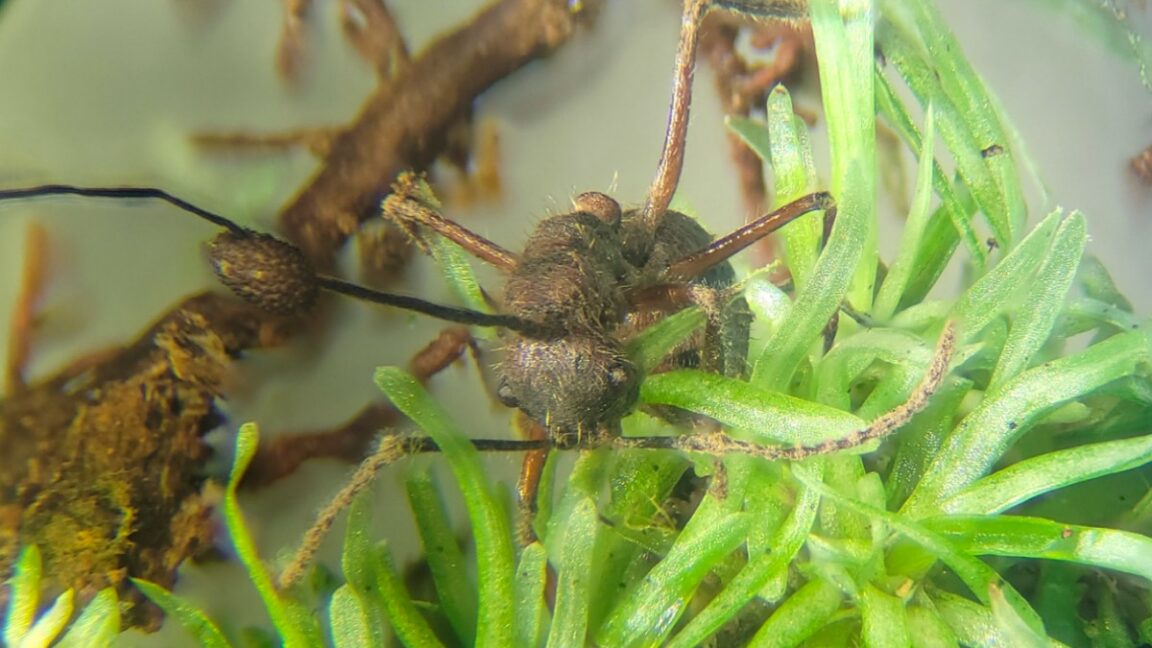
The latest finding: DNA analysis revealed the same fungus in both parasitized insects and surrounding mosses, according to a paper published in the journal IMA Fungus. (Yes, really.) This suggests a second life stage during which the fungus lives inside the moss, possibly an evolutionary adaptation to survive when insect hosts may be scarce. It could also explain why the host species seems to prefer biting into mosses during their final death throes.
As we've previously reported, there are more than 400 different species of Cordyceps fungi, each targeting a particular insect species, like ants, dragonflies, cockroaches, aphids, or beetles. The spores attach to the target insect, such as a carpenter ant, and germinate, spreading through the host’s body via long tendrils called mycelia. Cordyceps essentially turns its host into a zombie slave, compelling the ant to climb to the top of the nearest plant and clamp its tiny jaws in a death grip around a leaf or twig.
Read full article Comments
 The BriefWire