AI can aid judges, not replace human judgment: CJI Surya Kant
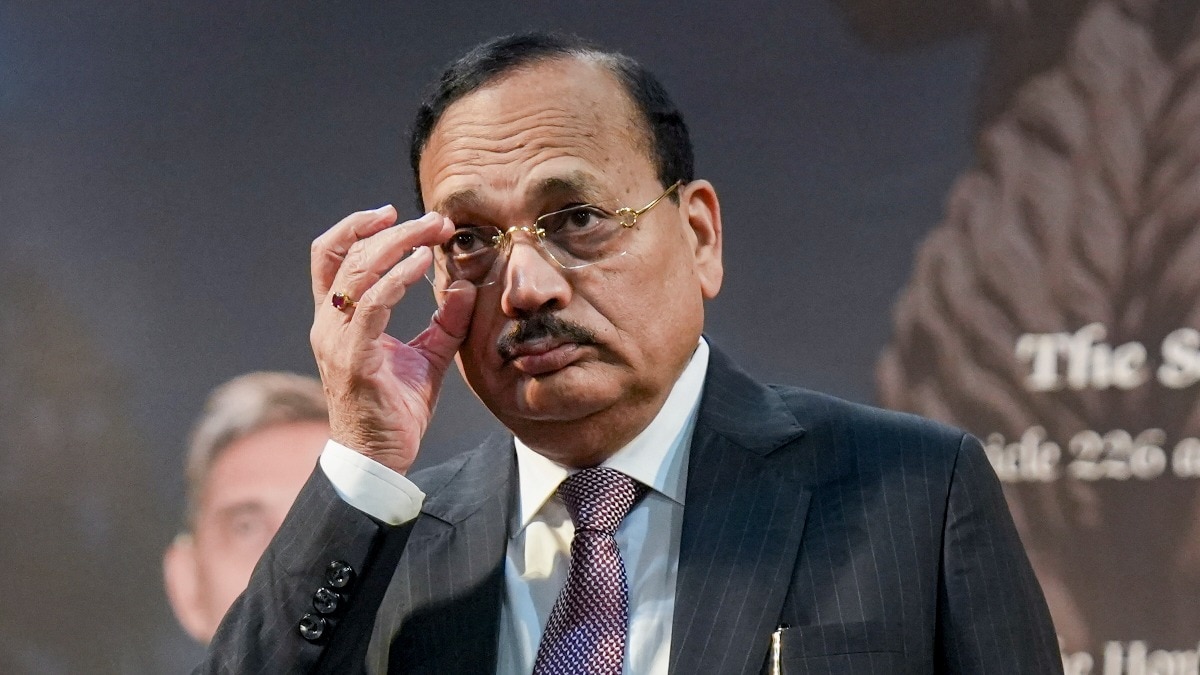
Chief Justice of India Surya Kant on Thursday said technology is helping courts discharge their constitutional responsibility more effectively, while stressing that it cannot replace
Chief Justice of India Surya Kant on Thursday said technology is helping courts discharge their constitutional responsibility more effectively, while stressing that it cannot replace human judgment. Speaking at a function organised by the Supreme Court Advocates-on-Record Association, he said the digitisation of court processes had gradually evolved into a truly integrated digital justice ecosystem. At the same event, Justice Abha Nayar Patel, a judge of the Supreme Court of Zambia, said the future of justice delivery was a fundamental issue for all stakeholders. Read Full Story She said courts across the world were using digital tools to improve access and case management, while underlining that delay in justice was itself a form of injustice. Kant said, "Over the last two decades, our endeavour has been to make the courts more accessible, more transparent and more responsive to every stakeholder who interacts with the justice delivery system." He added, "Technology, in our understanding, is not an end in itself.
It is an instrument that enables courts to fulfil their constitutional responsibility more effectively." The 53rd said technology had also helped level the playing field and democratise professional opportunities within the legal profession. He said litigants had perhaps gained the most from these changes. "Perhaps the greatest beneficiaries are the litigants themselves. They are able to track the progress of their cases online, participate in virtual proceedings, and obtain essential legal information without undertaking costly and time consuming travel," he said. On artificial intelligence, Kant said it presented unprecedented opportunities for improving judicial administration, but drew a clear line on its role. "Yet, as I have consistently observed in many of my lectures and addresses on the subject, artificial intelligence may augment judicial intelligence without replacing the judicial consensus.
Technology can process information with remarkable speed. But justice ultimately demands wisdom, empathy, and the exercise of reasoned human judgment," he said. He added that as judiciaries across jurisdictions continued to learn from one another's experience, efforts should be made to build justice systems that were innovative, accessible and worthy of the trust citizens placed in them. Justice Patel, who delivered a lecture on "Future of Justice Delivery: Innovation, Inclusion and Integrity", said, "Across the world, judiciaries are experimenting with case management systems, e-filing, virtual hearings, AI-assisted legal research, and predictive analytics for case flow. Some jurisdictions have gone further still, piloting AI tools to assist but never replace judicial reasoning in high-volume, low-complexity matters." Referring to Zambia, she said, "In my own region, Zambia, we are taking slow but meaningful steps towards the digitisation of court records and virtual testimony, born partly out of necessity during the pandemic years, but now recognised as tools of genuine access." Supreme Court judges Justices Vikram Nath and V Mohana also spoke on the occasion, as the event focused on innovation, inclusion and integrity in justice delivery.
 The BriefWire