Baloch Groups Fear Pakistan's Sudan Arms Deal Funds Could Be Used To Suppress Balochistan: Intel Sources
News world Baloch Groups Fear Pakistan's Sudan Arms Deal Funds Could Be Used To Suppress Balochistan: Intel Sources Baloch Groups Fear Pakistan's Sudan Arms Deal
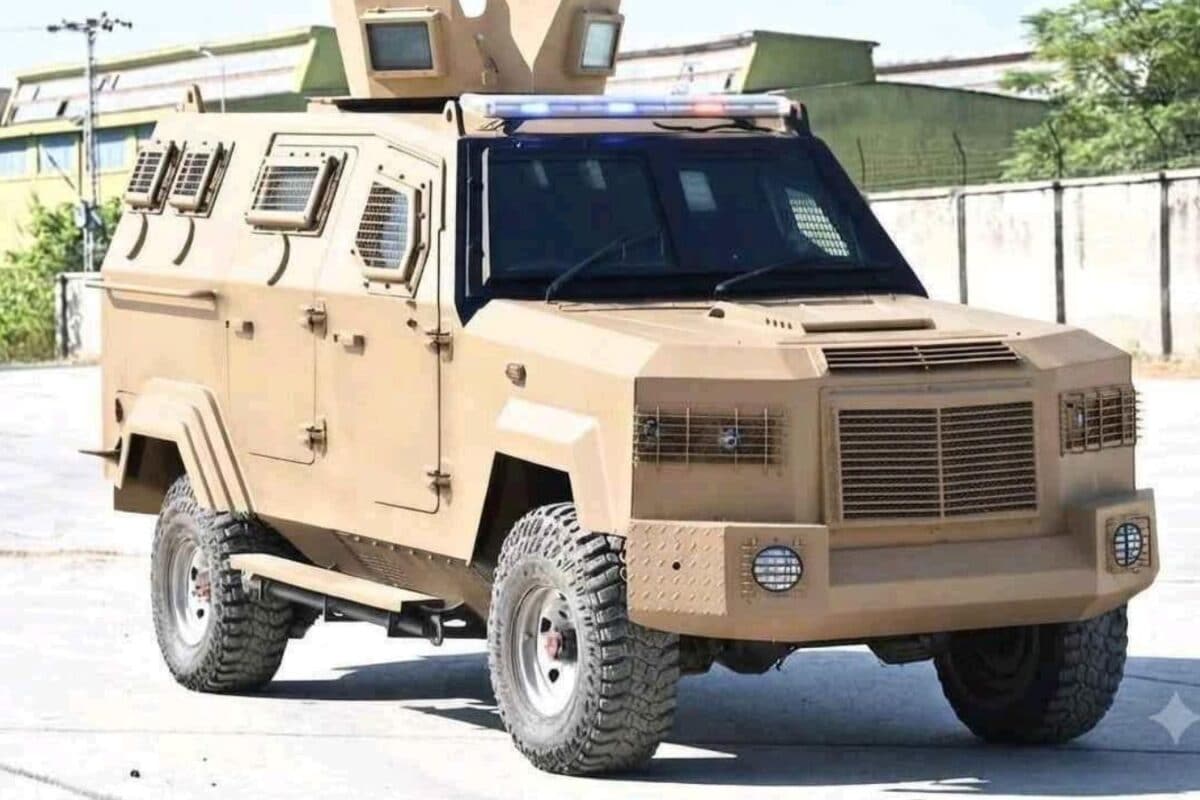
News world Baloch Groups Fear Pakistan's Sudan Arms Deal Funds Could Be Used To Suppress Balochistan: Intel Sources Baloch Groups Fear Pakistan's Sudan Arms Deal Funds Could Be Used To Suppress Balochistan: Intel Sources Reported By, Edited By Last Updated: August 06, 2026, 21:35 IST Use of platforms such as the Shahpar-2 and YIHA-III drones in an active conflict zone could provide Pakistan with valuable real-world combat data to refine its military systems. The reported defence deal, estimated to be worth approximately $1.5 billion, represents one of Pakistan's most ambitious attempts to expand overseas defence exports through its state-owned military industry. Pakistani-made Mohafiz-V armoured vehicles reportedly made their first public appearance during a military parade in Sudan’s capital, Khartoum, providing what Indian intelligence sources describe as the first visible evidence of Pakistani military hardware being supplied to the Sudanese Armed Forces despite the absence of any official confirmation from Islamabad or Khartoum. According to top Indian intelligence sources, the appearance of the vehicles is part of a broader defence cooperation arrangement between Pakistan and Sudan that reportedly includes drones, trainer aircraft and air defence systems, potentially valued at around $1.5 billion.
The Mohafiz-V is manufactured by Pakistan’s state-owned Heavy Industries Taxila (HIT) and is built on a modified Toyota Land Cruiser LC79 chassis. The mine-protected vehicle offers B6-level ballistic protection, can carry up to eight personnel, and is equipped with eight firing ports, a 360-degree rotating turret and run-flat tyres capable of travelling up to 50 kilometres after sustaining direct hits. Sources further claimed that the wider package includes Shahpar-2 armed drones, YIHA-III loitering munitions (suicide drones), K-8 Karakorum light attack and trainer aircraft, and Chinese-origin air defence systems. The reported defence deal, estimated to be worth approximately $1.5 billion, represents one of Pakistan’s most ambitious attempts to expand overseas defence exports through its state-owned military industry. However, intelligence sources said the execution of the agreement has faced delays and uncertainty due to shifting Gulf funding dynamics, particularly reports that Saudi Arabia has adjusted its financial support for the transaction. Sudanese Army chief Lt Gen Abdel Fattah al-Burhan has reportedly undertaken diplomatic engagements, including visits to Riyadh, in an effort to revive financing arrangements and ensure the continuation of military equipment deliveries. Strategic Concerns For India Indian intelligence sources believe the deployment of Pakistani military hardware, much of it incorporating Chinese-origin technology, into the Red Sea region expands the combined Sino-Pakistani strategic footprint near critical Indian Ocean Sea Lanes of Communication (SLOCs).
 The BriefWire